Minnesota’s Action Plan to Address Cardiovascular Disease, Stroke and Diabetes 2035 (MN 2035 Plan) is a calling to all to acknowledge and specifically address diabetes, cardiovascular disease, and stroke, especially within those communities facing the highest rates of those diseases. Its three overall goals are:
▪ Elimination of racial, geographic, and other health inequities that lead to higher rates of cardiovascular disease, stroke and diabetes for certain populations in Minnesota.
▪ Removal of barriers to good health and well-being.
▪ Increased access to affordable and culturally appropriate prevention strategies, clinical services and self-management options for those who have, or are at risk of experiencing, heart disease, stroke and diabetes.
Learn more on the MN 2035 Plan website: https://www.health.state.mn.us/2035plan.
A Focus on Stroke
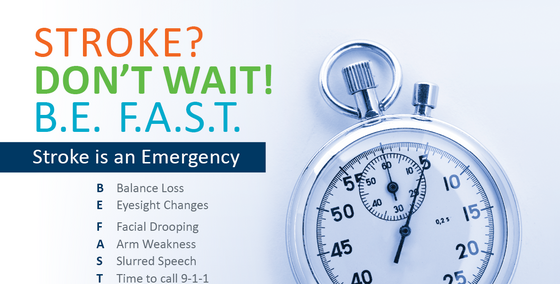
This month, we are discussing the impact of stroke on Minnesotans and its relation to the MN 2035 Plan. To appreciate the importance of addressing this issue, it is important to understand the impact of this among individuals, Minnesotans, racial and ethnic groups, and communities.
In 2021, more than 110,000 Minnesotans reported having a stroke in their lifetime. More than 4% of deaths in Minnesota are due to stroke. This attributes to 2,384 deaths in 2021, making it the fifth leading cause of death in Minnesota. In 2020, there were more than 12,000 hospitalizations related to stroke events. The economic cost of strokes in Minnesota is substantial. In the United States as a whole, the economic burden of stroke, including medical expenses, hospitalizations, rehabilitation, and lost productivity, exceeded $50 billion annually in 2017 and 2018.
There are also many indirect costs and impacts. Stroke negatively impacts quality of life for many individuals, and furthermore, creates financial and emotional stress for individuals and families. Additionally, one should consider the impact to a local community and the state due to premature deaths and loss of productivity. Efforts to prevent and manage stroke are extremely important for improving the health of individuals and communities, as well as reducing impacts and costs to everyone.
After generally discussing the prevalence and impacts of stroke, it is important to understand it does not affect everyone equally. Stroke death rates in Minnesota show significant disparities among different racial and ethnic groups:
- From 2018-2021, the stroke death rate is more than 30-40% higher in Asian/Pacific Islander, African-American/African-Born, and American Indian Minnesotans compared to the overall Minnesota average.
- The lowest stroke death rates are in Latinx/Hispanic men and women.
Addressing these disparities is essential for promoting equitable health outcomes and reducing the stroke impact in Minnesota.
There are several factors that increase the stroke risk for individuals. Understanding your risk and taking preventive measures can help protect against stroke. Here are some of those key risk factors:
-
High Blood Pressure: Elevated blood pressure is a leading cause of stroke. Regular blood pressure checks and management are crucial.
-
High Cholesterol: Excess cholesterol can build up in arteries, including those in the brain, leading to stroke. A blood test can assess cholesterol levels.
-
Heart Disease: Conditions like coronary artery disease and irregular heartbeats (such as atrial fibrillation) can cause blood clots that may lead to a stroke.
-
Diabetes: Diabetes affects blood flow and increases stroke risk. Managing diabetes is essential.
-
Obesity: Excess body fat is linked to higher cholesterol levels and lower “good” cholesterol.
-
Lifestyle Factors: Lack of physical inactivity, heavy drinking, and illegal drug use contribute to stroke risk.
Sources: Stroke in Minnesota - MN Dept. of Health and About Stroke - CDC
The MN 2035 Plan outlines ten priority outcomes, each accompanied by specific strategies. Steele County Public Health’s Home Care Department will be using these strategies to improve the health and outcomes of clients we serve and potential clients we hope to serve in the future. SCPH Home Care will be using the MN 2035 Plan as a guide for implementing quality improvement programming and projects this year, and in coming years.
Our Home Care team currently works with many community partners; however, we plan to use the MN 2035 plan to guide some of our discussions and use this information to create new partnerships and working groups within our community. We hope to improve outcomes for individuals and improve access and equity for all. We accept clients for care of all social circumstances and regardless of pay source. Care can be provided at home or within our Public Health clinic. We also refer individuals to additional resources when needed. On a larger scale, our Public Health Director is working together with a group of community partners, the Racial Division Action Team, that specifically addresses and works to improve health equity for all.
Considering these ideas, how can Home Care make a difference and affect outcomes for individuals? Home Care is not a "one-size-fits-all" service. Home Care can play an important role in meeting individualized needs of client. Listed below are examples:
Comprehensive Assessment and Treatment Plan:
- Home Care nurses assess the patient’s condition, including symptoms, vital signs, risk factors, and medication management.
- The Home Care team creates personalized treatment plans based on physician orders to achieve optimal outcomes for stroke rehab at home.
Monitoring and Early Intervention:
- Home Care team members monitor signs and symptoms of disease and stroke risk factors.
- They promptly report any changes to the physician and obtain necessary orders.
- Medication effectiveness and side effects are closely monitored.
Disease-Specific Education:
- Nurses and therapists educate patients and their families about cardiovascular health, stroke prevention, lifestyle modifications, and self-management.
- They provide guidance on nutrition, exercise, and stress management.
- Education empowers patients to better manage their condition.
Emotional support:
- Coping with stroke related challenges can be difficult. Home care offers companionship, encouragement, and mental health support.
Mobility and Endurance Support:
- The Home Care team assists patients in achieving optimal mobility and endurance.
- They encourage physical activity within safe limits.
- Stroke survivors are at higher risks of falls. The Home Care team works by assessing the home environment, works to remove hazards, and educates clients on fall prevention strategies.
Reducing Hospital Readmissions:
- Home Care helps prevent unnecessary hospital re-admissions.
- Home Care providers of all disciplines provide tips and tricks for managing symptoms, enhancing quality of life, and promoting self-care.
Culturally and Ethnically Appropriate Care:
- Consistent training to identify, develop, and deliver culturally competent service.
- Integrating cultural and ethnical beliefs, diets, alternative treatment regimens, or traditional remedies into a personalized treatment plan.
- Tailoring care and communication to each individual’s cultural needs.
|