|
Welcome!
As winter continues in Rochester, this issue highlights how the City and community are moving work forward during the colder months. Inside, you will find the first annual update on the Sustainability and Resiliency Plan, opportunities to share feedback, and seasonal tips on winter maintenance, waste management, and energy programs, along with updates on solar and geothermal projects across the city.
|
|
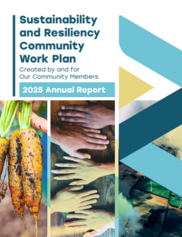
In 2025, the Sustainability and Resiliency Commission (SRC) worked closely with community partners and City staff to track progress on the Sustainability & Resiliency Community Work Plan (SRCWP), which was formally accepted by City Council in 2024. This plan includes 103 actions to make Rochester more sustainable, resilient, and livable. Updates were collected through surveys, phone calls, and research to make sure every tactic reported a status. Overall, 17 % percent of actions are complete, and an additional 65 % are currently underway or ongoing, showing strong momentum across the City.
The plan focuses on six key areas including Climate Change Resilience, City for Health, Vibrant Neighborhoods, Resilient Economy, Accessible Transportation, and Environmental Health. A standout example from 2025 is the City’s Home Rehabilitation Program which preserved local housing and addressed flood-prone homes and lead hazards, helping 16 households stay safe and healthy.
This first year of reporting sets the stage for continued progress. To learn more about these initiatives and how they impact our community, click here to read more.
|
|
|
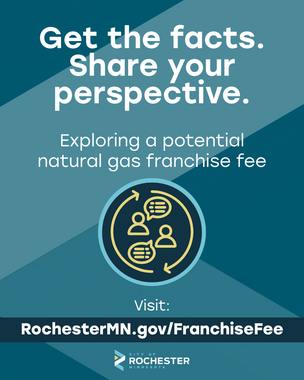
The City of Rochester is exploring whether to create a natural gas franchise fee, a charge that would appear as a separate line on natural gas bills. If established, revenue from the fee would be directed toward environmental stewardship and sustainability priorities, such as reducing greenhouse gas emissions, improving energy efficiency, and supporting community resilience efforts. This type of fee is allowed under Minnesota law and compensates the City for the use of public rights of way, such as streets and sidewalks, to deliver gas service. If adopted, the fee would be collected by Minnesota Energy Resources and returned to the City. Many Minnesota cities already use similar fees.
No decisions have been made. Community feedback will guide whether a fee moves forward, how it is structured, and how any revenue would be used.
The City is considering two possible approaches: a flat monthly fee that stays the same each month, or a usage-based per-therm fee. From January through March 2026, residents and businesses are invited to be part of the conversation. Join a community listening session or open house to learn more and ask questions at the upcoming opportunities to engage below:
|
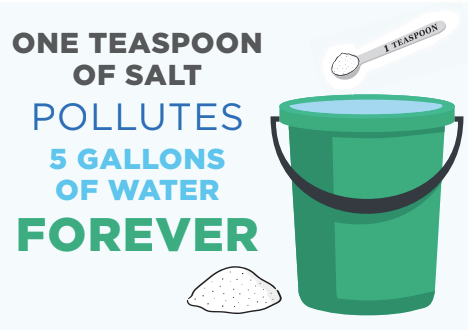
Oversalting does not provide extra safety. It damages property and pollutes water. Stay safe, save money, and protect local waters by following these snow and ice management tips this winter:
- Shovel early and often: Clear walkways to prevent snow compaction and ice formation. The more snow removed manually, the less salt is needed.
- Select the correct product: Salt works only when pavement temperatures are above 15°F. Choose alternative products for colder conditions.
- Scatter salt sparingly: Spread salt evenly and avoid piles. Aim to space granules about 3 inches apart for best results.
- Sweep up and reuse excess salt: Prevent leftover salt from washing into storm drains and local waterways.
- Hiring a winter maintenance professional? Encourage contractors to become Smart Salting Certified through the MN Pollution Control Agency.
Want to learn more? Click here!
|
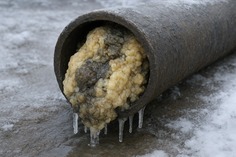
During the cold Minnesota winter, more time is often spent indoors preparing warm, comforting meals. It is important to properly manage fats, oils, and greases (FOG) used in cooking, especially this time of year. FOG that is liquid when hot or at room temperature, can easily flow into sewer lines but will solidify once it reaches colder pipes. Pouring FOG down the drain, even with hot water and soap, can slowly build blockages that may not be noticed until a serious backup occurs.
Proper FOG management includes dry wiping dishes, scraping food scraps into the garbage, and collecting waste FOG in a disposable container for disposal. For a creative winter project, saved FOG can be turned into suet cakes for birds by mixing it with peanut butter, seeds, oats, or fruit, shaping it into a block, and placing it outside to harden. FOG can also be used to make fire starters or stored in the refrigerator for limited reuse before being thrown in the trash.
|
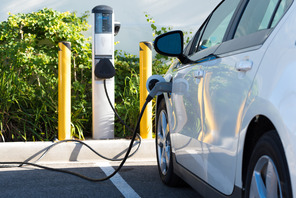
Rochester Public Utilities encourages electric vehicle (EV) drivers to take advantage of the electrification rebates available in 2026, especially for those who haven’t yet enrolled in the Residential Time-of-Use (TOU) rate. EV owners who sign up now can receive a $500 bill credit for their first enrolled EV and $150 for each additional EV. These incentives support smart charging habits, lower energy costs, and contribute to a more sustainable community. Learn more about how to get started at RPU Residential Conserve & Save | Rebates | Rochester, MN.
|
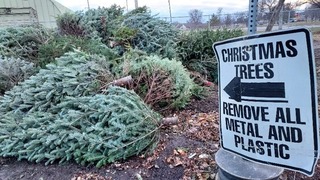
Through March, Christmas trees can be dropped off at the Olmsted County Compost Site any day of the week during daylight hours. There is no disposal fee. Stands, ornaments, and lights should be removed.
Wreaths, swags, boughs, and other evergreen decorations should be placed in a bag and thrown in the garbage to prevent the spread of an invasive species known as the Elongate Hemlock Scale, a pest that feeds on conifer trees. Do not compost.
|
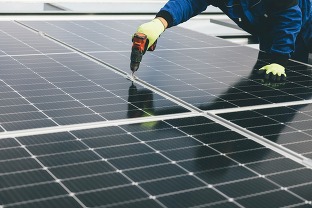
The City of Rochester has received 14 additional Minnesota Solar on Public Buildings grants from the Minnesota Department of Commerce, bringing the total to 16 solar projects currently underway. These projects, totaling approximately $2.3 million in installations, are funded by state and federal incentives and are projected to offset around $2.8 million in electricity costs over their 25-year lifespan.
Approved facilities include City Hall, Rochester Public Library, North Precinct, Fire Stations 1–5, the Transportation and Maintenance Centers, National Volleyball Center, Recreation Center, 125 Live, RPU Service Center, Mayo Civic Center, and Rochester Civic Theatre. Previously, the Development Services and Infrastructure building and RPU Administration building received funding through this program.
These cost-neutral projects advance the City’s commitment to sustainable operations while providing long-term energy savings across multiple public facilities.
|
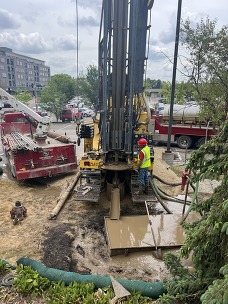
The City of Rochester, in partnership with Destination Medical Center, has reached a major milestone in its transition to clean energy through the Downtown Building Energy Transition (DBET) initiative. Supported in part by federal funding through the Inflation Reduction Act, this multi-phase effort is shifting municipal buildings away from fossil fuels and toward high-efficiency geothermal systems, aligning with Rochester Public Utilities’ goal of 100% net renewable electricity by 2030.
The new network connects the Mayo Civic Center, Rochester Art Center, Rochester Civic Theatre, and the Rochester Public Library, allowing these facilities to share and transfer heating and cooling across more than 850,000 square feet of space. By leveraging IRA investments to modernize public infrastructure, the system is expected to save the City an estimated $900,000 annually in energy costs while significantly reducing fossil fuel use.
Rochester has been a longtime user of geothermal energy at several municipal facilities, but DBET marks the City’s largest and most innovative application yet, positioning Rochester as a leader in sustainable, resilient energy infrastructure. Learn more at the project website.
|
|
|
Thank you for reading!
Did someone forward this newsletter to you? Click here to subscribe!
|
|
|
|
|