|
NEWSLETTER / JUNE 2025
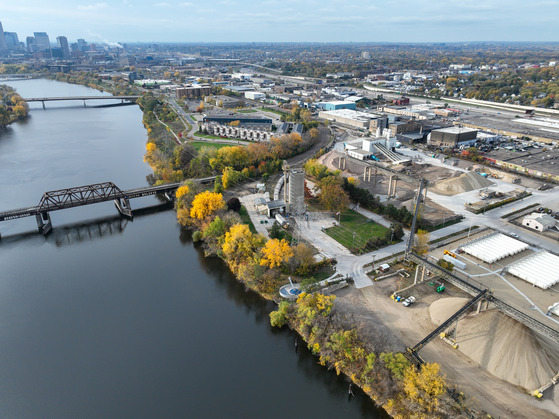 It might sound like technical jargon, but a feasibility study is actually one of the most important steps in making sure a project is not just doable but also meaningful and worth the investment. At the MWMO, every project begins with a deep dive into one big question: Can we do this, and will it be worth it?
That means teaming up with partners, taking soil samples, and running the numbers to figure out whether it makes sense scientifically, financially, and environmentally. A good feasibility study doesn’t just look at whether something can work; it also compares different options to see which one works best for the cost. For example, we might compare the cost per pound of phosphorus removed for water quality projects or cost per home protected from the floodplain when addressing flooding.
This kind of analysis is the first step in building greener cities and cleaner water — and in making sure our ideas don’t just sound good but actually do good.
In our latest blog post, we walk through a real-world example: the feasibility study behind the Sylvan Hills Park renovation in Fridley. From geotechnical analysis to stormwater modeling, we explored a range of green infrastructure options designed to reduce flooding, improve water quality, and restore habitat, all while keeping the park fun and functional.
Check it out to see how thoughtful planning and collaboration help turn big ideas into real-world impact.
 Big changes are underway at Sylvan Hills Park! Excavation began at the end of May, and crews have been busy installing two large underground infiltration chambers — systems designed to collect and soak in stormwater, helping keep polluted runoff out of nearby waterways. They're also connecting these chambers to the park’s storm drains and preparing to install a hydrodynamic separator, a special structure that filters out trash and debris before the water reaches the ground.
Next, crews will shape the land to create visible stormwater features like rain gardens and swales, build new park amenities, and begin planting native habitat later this summer and fall.
This project is all about building resilience from the ground up — literally. Stay tuned as Sylvan Hills transforms into a greener, smarter space for water, wildlife, and the community.
We Are Water MN
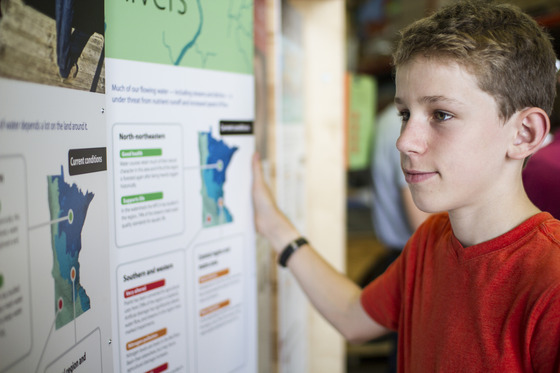 Photo courtesy of the Minnesota Pollution Control Agency
📅 June 19–August 11
📍 809 Nicollet Mall, Minneapolis, MN 55402
Water shapes everything — our environment, our communities, our histories, and yes, even our emotions. This summer, the We Are Water MN traveling exhibit invites you to explore our deep connections to water through stories, science, and shared experiences.
From interactive displays to personal water stories, Nibi Walks, Water Bars, and story-sharing circles, there are plenty of ways to get involved and reflect on what water means to Minnesotans — and why it matters now more than ever.
Plants, Pollinators and Pints hosted by Friends of the Mississippi River
 📅 Tuesday, August 5, 5:30–6:30 p.m. or Thursday Sep 4, 5:30–6:30 p.m.
📍 Broken Clock Brewing Cooperative
Sip a pint, save the pollinators! 🐝🌸 Join nature educator Angie Hong for a fun, info-packed happy-hour workshop on native plant gardening — perfect for anyone who wants to attract butterflies, support birds and pollinators, and give their yard a purpose and a glow-up.
Whether you're planting a bee lawn, dreaming of prairie blooms, or just figuring out where to start, Angie’s got you covered with tips, resources, and plenty of garden inspiration. Plus, you’ll learn where to get native plants, how to find grant support, and how your yard can help protect clean water and local wildlife.
MWMO staff as well as our friends at Blue Thumb and Metro Blooms will be there with resources to help you dig in deeper.
Food and drinks will be available for purchase, with both alcoholic and NA options on tap. All ages welcome!
Registration Required
Photo of the Month
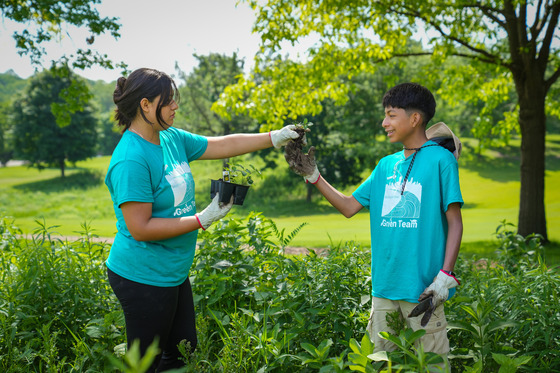 Members of the Mississippi River Green Team were hard at work planting native species at Columbia Golf Course this month. These plants don’t just add beauty, they help manage stormwater, support pollinators, and improve soil health. It’s one more step toward building resilient landscapes that work with nature, not against it.
|