|
NEWSLETTER / JANUARY 2025
Salt: The Hidden Pollutant Lurking in Our Waterways
Winter in Minnesota brings snow, ice, and salt—a lot of salt. While road salt is essential for keeping our streets and sidewalks safe, it also has long-term consequences for our environment.
Unlike other pollutants that break down over time, chloride from road salt never goes away. Once it enters our lakes, rivers, and groundwater, it stays there, permanently contaminating our water supply. Just one teaspoon of salt is enough to pollute five gallons of freshwater.
This year’s Winter Salt Week brought attention to these issues and explored smarter ways to manage ice without harming our environment. But reducing salt pollution isn’t just a one-week effort—it’s something we can all work toward year-round.
 Every winter, Minnesota applies around 365,000 tons of road salt—and it doesn’t just disappear. When snow melts, salt washes into storm drains, which lead directly to lakes, rivers, and groundwater.
-
Harm to Aquatic Life – High chloride levels disrupt fish and insect populations, throwing ecosystems off balance. Even at low levels, salt can harm sensitive species, reducing biodiversity.
-
Damage to Infrastructure – Salt corrodes roads, bridges, sidewalks, and even indoor flooring, leading to costly repairs. In fact, every ton of salt used can cause $1,700–$17,000 in infrastructure damage.
-
Contaminated Drinking Water – While most in our watershed rely on the River for drinking water rather than groundwater, chloride seepage remains a concern. As chloride infiltrates groundwater, it threatens drinking water supplies, and some communities have already reported increasing chloride levels in their wells.
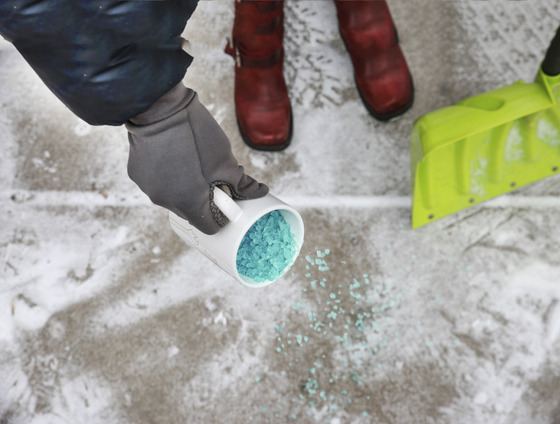 While salt is effective, it’s often overused. Fortunately, there are ways to stay safe in winter without over-salting.
❄️Shovel Early & Often. The best way to prevent ice is removing snow before it compacts. Using the right tools—such as push shovels, scoop shovels, and ice chisels—can make the job easier and reduce the need for salt. An ice chisel can help break up stubborn ice without relying on de-icers. Watch our quick video on how to use an ice chisel to remove compacted snow and ice: YouTube: Using an Ice Chisel to Remove Compacted Snow.
🧊Select the Right De-icer. Before reaching for salt, consider using sand or traction grit for better grip on icy surfaces. If a de-icer is necessary, choose one suited to the conditions—salt (sodium chloride) doesn’t work below 15°F. Watch our quick video on How to Use Traction Grit on Icy Sidewalks.
🧂Scatter, Don’t Dump. More salt doesn’t mean better melting! Aim for 3 inches of space between granules—this is all you need for effective ice control.
🧹Sweep Up & Reuse. Leftover salt, sand, grit, and de-icer on dry pavement can be collected and reused to prevent unnecessary runoff into storm drains.
By following these steps, you can stay safe while protecting Minnesota’s lakes, rivers, and drinking water.
 As awareness grows, communities are taking steps to reduce chloride pollution while maintaining winter safety.
-
Brine Spraying – Many cities, including Minnetonka, are switching to liquid brine, which uses less salt and adheres to roads better than dry rock salt, reducing waste and runoff. Some communities are even experimenting with alternative brines—including byproducts like pickle juice. Learn more about how brine is being used for winter road maintenance in our blog: Can Pickle Juice Save Our Roads and Waters?
-
Smart Salting Training & Certified Contractors – Whether you’re a property manager, city worker, or private contractor, you can become Smart Salting Certified through the Minnesota Pollution Control Agency (MPCA) to learn best practices for reducing salt use while maintaining safe winter conditions. If you hire a snow removal contractor, choose one who is MPCA-certified in smart salting techniques or encourage your contractor to get certified. The MPCA maintains a list of trained professionals who follow best practices to minimize salt pollution while keeping surfaces safe. Learn more and find a certified contractor here: MPCA Smart Salting Training & Certified Contractors.
-
Policy Solutions – Efforts like Minnesota’s “Low Salt, No Salt” campaign are encouraging businesses and municipalities to rethink how they approach winter maintenance. But policy change is just one piece of the puzzle—infrastructure design also plays a key role in managing salt use. Learn more about low-salt design strategies in our podcast episode Designing for a Low-Salt Future with Connie Fortin | River of Ideas, Episode 06, where we explore how better planning can help protect our waterways without compromising safety.
-
EPA Safer Choice Program Update — The EPA is retiring its Safer Choice label for ice-melt products, recognizing that no de-icer is truly “safe” for the environment. The label previously applied to products that were only less harmful when used correctly, which led to consumer confusion. This change helps clear up misconceptions about eco-friendly de-icers—because in reality, the best way to reduce salt pollution is to use less salt. Manufacturers have until February 2027 to remove the label. Learn more: gov/saferchoice
These changes aren’t just good for the environment—they save money on salt purchases, infrastructure repairs, and water treatment costs.
While we can’t avoid winter, we can make smarter choices about how we handle snow and ice. Every grain of salt we save helps protect our lakes, rivers, and drinking water. By making small adjustments—shoveling early, using salt wisely, and choosing Smart Salting Certified contractors—we can keep our roads safe while reducing harm to our environment.
Thank you to everyone who participated in Winter Salt Week 2025! Let’s keep the momentum going and continue working toward a cleaner, safer, and less salty winter.
 We’re excited to welcome Filter Effect, a new exhibit by artist Brighton McCormick, at the MWMO’s Stormwater Park and Learning Center from February 3 – May 30, 2025.
Through sculptural works that capture fossilized objects and natural impressions, Filter Effect explores the hidden systems that shape our perception—from algorithmic news feeds to environmental changes. The exhibit challenges visitors to consider how we sift, sort, and filter information in both the natural and digital worlds.
📅 Exhibit Hours: Monday – Thursday, 9 a.m. – 3 p.m.
📍 Mississippi Watershed Management Organization
Join public workshops in the Fire Press Library to explore printmaking and artistic processes related to the exhibit:
-
Cold Press Workshop – March 22, 11 a.m. – 1 p.m.
-
Hot Press Workshop – May 10, 2 p.m. – 5 p.m.
Stay tuned for registration details.
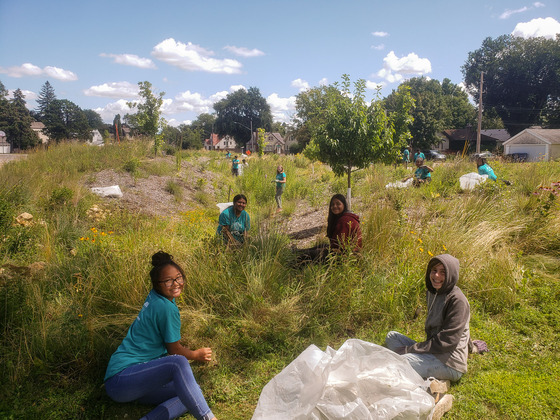 Do you know a Minneapolis youth who would thrive in a paid summer job working outdoors, gaining hands-on experience in environmental conservation? The Mississippi River Green Team and Green Infrastructure Inspection Team (GrIIT) are now accepting applications for Summer 2025!
These programs provide valuable job training in habitat restoration, water pollution prevention, and green stormwater infrastructure—helping to build the next generation of environmental leaders.
-
Mississippi River Green Team (Ages 14–16) – A two-year summer employment program that introduces youth to conservation work, including invasive species removal, rain garden construction, tree planting, and more.
-
Green Infrastructure Inspection Team (GrIIT) (Ages 16–18) – Designed for youth who have completed two years of the Green Team or a similar program, GrIIT provides advanced training in green stormwater infrastructure maintenance, ecological restoration, and professional tool use.
Summer positions are 32–35 hours per week (mid-June – late August), with monthly workdays during the school year.
Spots are limited, and applications are open until filled—encourage a young person in your life to apply today!
📩 Questions? Contact Mary Yang at myang@mwmo.org or 612-746-4975.
Environmental Outreach Coordinator
 Join our team! The MWMO is seeking an Environmental Outreach Coordinator to develop and implement community engagement programs that connect people with the Mississippi River and surrounding watershed.
This position collaborates with cities, neighborhoods, schools, and community organizations to promote water quality, habitat protection, and environmental awareness. Responsibilities include leading outreach campaigns, organizing events, giving tours, and building partnerships to advance MWMO’s mission.
📅 Application Deadline: February 9, 2025
For details on qualifications, benefits, and how to apply, visit the link below.
Coming Soon! MWMO Internships
 Looking for an internship? MWMO will be posting internship opportunities in early February! Check back then for details and application instructions.
-
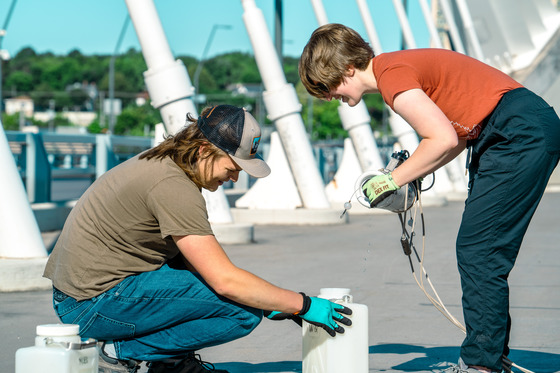
Technical Communications Intern – Gain hands-on experience in technical writing, document design, and content creation for organizational communications.
-
Water Quality Monitoring Intern – Assist in water quality sampling, field monitoring, and data collection to support environmental research and watershed health.
Want to be the first to know when they’re live? Subscribe to our employment opportunity emails and get notified as soon as they’re posted:
🔗 Sign Up Here
Art and Science on the River: Buckthorn
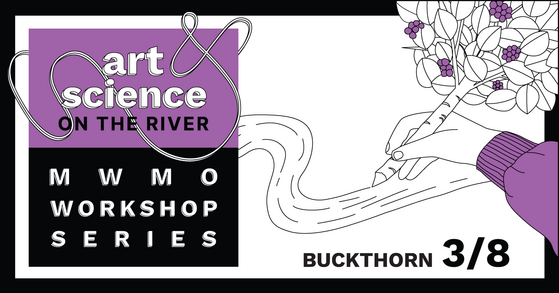 📅 Saturday, March 8 | 10:00 AM – 12:30 PM
📍 MWMO Stormwater Park and Learning Center
Gather around a fire and learn how to turn invasive buckthorn into handmade charcoal! Sip warm beverages while ecologist Alex Roth discusses buckthorn’s impact on the Mississippi River, then create charcoal drawings with guidance from artist Kimberly Boustead.
Take home your own charcoal and artwork!
This event is free, but registration is required. (Registration coming soon!)
Photo of the Month
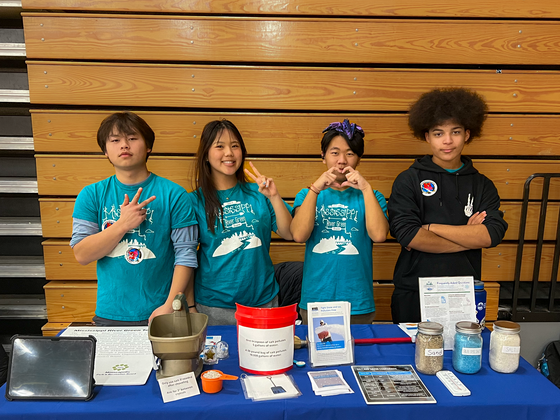 Mississippi River Green Team (MRGT) members educate the community on smart salt use at Holiday on 44th
|