Know Your Trees
Tree
identification is both practical and fun, but with 52 species in Minnesota and
dozens of introduced varieties, learning to identify trees might feel overwhelming.
To get started, here’s information on three trees commonly found in Minnetonka.
All three reach a similar height of 50 feet or more, but can be distinguished
by their leaves, fruit (seeds) and bark.
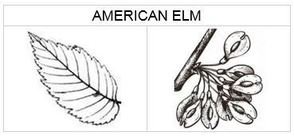
American elm
The iconic,
vase-shaped shade tree that once arched gracefully over many city streets.
Characteristics:
-
Leaf has a double-toothed edge, pointed
tip and uniquely uneven base
-
Greenish-yellow flowers bloom in early
spring
-
“Winged,” wafer-shaped fruits blow off the
tree in June
-
Autumn foliage is yellow
-
Bark has a spongy texture
Dutch elm
disease (DED) was introduced from Eurasia in the 1930s, and it devastated
community forests overplanted with these beautiful trees. DED is an ongoing
problem, but resistant elm varieties are now available and chemical injections
can protect mature trees.
|
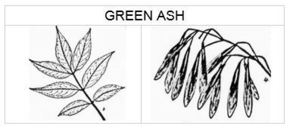
Green ash
Widely
planted along streets and in yards as a replacement for elms.
Characteristics:
-
Leaf contains 3-7 lance-shaped leaflets,
each edged with tiny teeth
-
Green flowers bloom before the leaves
emerge
-
Clusters of slender, yellowish fruits mature
in autumn
-
Autumn foliage is yellow
-
Bark has diamond-shaped “valleys”
between flat-topped ridges
Green ash thrives
in many landscape conditions and is great for climbing. Ash trees also provide
food and shelter for wildlife and are commercially important to the wood
products industry. Unfortunately, emerald ash borer (EAB) has the potential to
kill millions of ash in Minnesota. The best way to prepare for EAB’s inevitable
arrival in Minnetonka is to identify ash trees and plan to treat or replace.
|
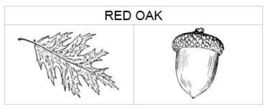
Red oaks
Long-lived trees prized by people and wildlife; their care and maintenance is
important to the community forest.
Characteristics:
-
Leaf has U-shaped indentations that cut
toward the central vein
-
Leaf lobes (“fingers”) are pointed
-
Red or yellowish-brown autumn foliage
turns brown and stays through winter
-
Acorns have flat caps and take two years
to mature
-
Bark is marked with long, silvery
streaks (“ski tracks”)
Red oaks are
used to make furniture, cabinets, flooring and more. Cavities inside red oaks are
ideal nest sites for wildlife, and many creatures feed on the acorns. Red oaks
are vulnerable to oak wilt fungus, which kills infected trees within weeks.
Knowing the red oaks on your property makes it easier to protect healthy trees
if oak wilt occurs nearby.
|
Learn More
These
additional resources can help you learn more about trees in your landscape:
-
Minnesota
Trees, by David M.
Rathke, is a useful and portable field guide published by the University of
Minnesota Extension Service.
- Leafsnap
is an electronic field guide with high-resolution photos for easier field identification,
available online or download the free iPhone/iPad app.
-
“Trees
with Don Leopold” is a series of short YouTube videos, organized by tree
species.
-
“What’s wrong with my plant?” from the University of Minnesota uses
common symptoms to help you identify tree diseases.
Upcoming Events
Volunteer
Buckthorn Cutting at the Ann Cullen Smith Property
Saturday,
March 17 | 9:30 a.m.-noon
2510 Oakland Road (no building or posted address)
Restoration has begun on
the 30-acre site donated to the city by Ann Cullen Smith in 2015. Help cut
buckthorn under the direction of Minnetonka Restoration Specialist Janet Van
Sloun. Registration is required in case of inclement weather; call 952-988-8400
or visit eminnetonka.com/NRevents.
Additional information (including a map and parking instructions) will be
emailed prior to the event.
Visit eminnetonka.com
for city news and events.
|