|
|
View this as a webpage
September 2026
This is your bimonthly digest of news and new resources for Minnesota professionals committed to eliminating the harms of commercial tobacco use.
In this issue:
|
|

Looking to strengthen vaping prevention and support students in your local school district? The Minnesota Department of Health offers a comprehensive Tools and Resources for Schools hub to help address youth commercial tobacco use from every angle.
Commercial tobacco products, like vapes or nicotine pouches, can contain extreme concentrations of nicotine, which is highly addictive and can harm brain development as teens grow. Nicotine exposure may worsen mental health, and vaping may also worsen chronic health conditions like asthma, which puts students at risk of increased absenteeism and lower academic performance
|
Key resources include:
-
Curriculum and classroom activities: Ready-to-use classroom activities that meet Minnesota vaping prevention requirements.
-
Policy resources: Model Commercial Tobacco-Free K–12 Policy language created in partnership with the Public Health Law Center.
-
Supportive discipline and treatment: Tools to move away from suspensions and connect students directly with free quit resources.
-
Communication tools: Sample messaging and presentation materials for parents, staff, and students.
Check out resources and share them with schools in your community.
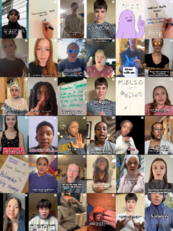
Room to Breathe, the Minnesota Department of Health’s youth anti-vaping brand, is launching a new opportunity for young creators and advocates: the Room to Breathe Creators Alliance, a program for Minnesotans ages 14-18 to channel their voice through social media content creation. The program aims to raise awareness of the harms of commercial tobacco use like vaping, as well as industry targeting and manipulation, by uplifting peer-to-peer influencer style content statewide.
Program participation and content creation will be compensated, and there will be multiple opportunities to participate between October 2026 and May 2027, so youth can engage with the program as their schedule permits.
|
How youth can participate
Share this information with youth in your networks! If they’re interested, have them fill out the Room to Breathe Creators Alliance Interest Form.
We’ll monitor submissions and reach out to qualifying youth with more information this fall. To see examples of creator content, check out @roomtobreathemn on Instagram for similar work by young Minnesotans on other key public health topics.
Visit our website to learn more about Room to Breathe and other youth counter-marketing campaigns in Minnesota.
|
The Escape the Vape Video Challenge, an annual video contest for Minnesota’s middle and high school students, returns this December! Students are encouraged to create and submit short public service announcements, or PSAs, on the dangers of vaping for a chance to win cash prizes.
The contest opens for submissions starting Dec. 1. Submissions are due Jan. 31, 2027. Winners will be announced in the spring.
In the classroom
Sample lesson plans are available to help Minnesota educators incorporate the contest as a classroom activity. The Escape the Vape Video Challenge is an opportunity for students to learn about the dangers of vaping as well as hone their video and media production skills. Schools are encouraged to include this project in their curriculum and to provide students with resources to complete their videos, such as props, space to plan and film, and access to their theater teacher or advisor.
Visit our website to learn more about the Escape the Vape Video Challenge and other youth counter-marketing campaigns in Minnesota.
|
Supporting youth in quitting vaping or using other commercial tobacco products just got more accessible with the launch of the new My Life, My Quit™ mobile app. Designed by National Jewish Health specifically for youth ages 13–17, the free and confidential program offers tailored, evidence-based nicotine treatment support directly through smartphones. |
|
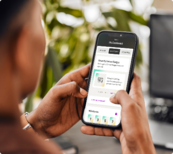 |
The new app equips young people with interactive tools, customized quit plans, progress-tracking badges, and educational videos – alongside real-time, one-on-one text support from trained quit coaches. As youth vaping and nicotine dependence continue to impact schools and communities across Minnesota, this digital-first resource provides professionals, educators, and parents with an engaging, accessible referral tool to empower youth on their journey toward a commercial tobacco-free living.
Teens can sign up for My Life, My Quit™ anytime by:
- Texting “Start My Quit” to 36072
- Downloading the My Life, My Quit™ app from the iOS or Android app store
- Or visiting MyLifeMyQuit.com
Visit our website to learn more about Minnesota’s free commercial tobacco treatment services and how you can promote quitting and treatment in your community.
|

Registration is now open for the 2027 National Conference on Tobacco or Health, and abstracts are due Sept. 25.
The National Conference on Tobacco or Health brings together commercial tobacco control and public health professionals including practitioners, advocates, government program staff, educators and scientists. It’s one of the leading convenings devoted to reducing fatalities and improving health outcomes related to use of commercial tobacco, including smoking, vaping, and the use of newer products like nicotine pouches.
Learn more and submit your abstracts at the conference website.
|
A new report provides data on secondhand smoke and aerosol exposure inside and outside of rental units among adults living in multi-unit housing in Minnesota. Findings from this survey provide baseline data for secondhand exposure statewide and can be used to inform state and local program planning and education efforts. Data are organized by the following key sections: smoke-free rules in the home, exposure to secondhand smoke and aerosol, opinions and beliefs about secondhand smoke, and smoke-free policies in buildings.
|
|
Communications and media
-
Article: What are nicotine analogs? How a tiny chemical distinction creates a regulatory gap | Truth Initiative
Nicotine analogs are chemical compounds that are structurally similar, but not identical, to nicotine. The most common example is 6-methyl nicotine, a compound that has a similar structure to nicotine with the addition of one methyl group. These chemical differences may seem small, but they allow nicotine analog products to fall outside of federal, state and local regulations, creating loopholes in policies designed to protect young people and prevent addiction.
-
Toolkit: Media Content Toolkit for National Recovery Month | Lung Mind Alliance (PDF)
National Recovery Month emphasizes the vital role of behavioral health in overall wellbeing, demonstrating that prevention is effective, treatment works, and recovery is possible. This September, we invite you to utilize the media toolkit we have created to promote awareness and spotlight commercial tobacco recovery as a part of mental health and other substance use recovery.
-
Guide: Guide to Developing a Public Health Press Release: Tips and Template
An effective public health press release does more than announce the news. It can help your audience understand what has changed, why this new information matters, and what steps they can take to stay safe and healthy. PHCC's new resource — Developing a Public Health Press Release: Tips and a Template for Communicating New Information — provides tips to help public health communicators develop the elements of an effective press release and a template for writing that first draft.
-
Article: Nicotine prevention and quit resources: top tips for parents and educators | Truth Initiative
Parents and educators have an important role to play in reaching young people with the information they need to make informed choices about nicotine and substance use. By understanding how young people start using tobacco products, and how nicotine addiction impacts the young brain, parents and educators can prepare to have productive conversations with the young people in their lives.
-
Recording: Webinar: Rural Realities: Tobacco, Health and Community | Campaign for Tobacco-Free Kids
Commercial tobacco has played a significant role in the history of many rural communities, influencing community experiences, regional identities, and family histories. Yet rural communities continue to bear a disproportionate burden of commercial tobacco-related disease and face persistent challenges in accessing healthcare and other resources that support health and wellbeing. This conversation centered on rural voices and explored how identity and health intersect in rural America. Youth advocates, community leaders, healthcare professionals and public health partners examined commercial tobacco’s enduring influence, challenged common misconceptions about rural health, and discussed how community-driven approaches can help reduce tobacco-related harm and advance health equity.
-
Article: Nicotine and your pet: everything a pet parent should know | Truth Initiative
When people smoke or use tobacco or nicotine products, the potential impact on pets is not always top of mind. But exposure to tobacco smoke, nicotine vape aerosol, and cannabis products can pose serious health risks to dogs, cats, birds, and other animals.
-
Recording: Webinar: Exploring Tobacco Use Through a Social Justice Lens | Lung Mind Alliance
This July 2026 webinar from the Lung Mind Alliance informs professionals of the tobacco and nicotine industry’s practices and how to enhance work with clients diagnosed with Tobacco Use Disorder.
-
Campaign: New flavors campaign from the Campaign for Tobacco-Free Kids
A new campaign from the Campaign for Tobacco-Free Kids aims to show that e-cigarette companies continue to lure kids with fun flavors, hook them with massive doses of nicotine, and expose them to toxic chemicals, with an added emphasis on fruit flavors. The campaign includes a 15-second and a 30-second video ad and static ads (running on social, display, and in newsletters). Watch the ads: 30 second Ad, 15 second Ad
-
Article: 3 ways nicotine addiction impacts mental health | Truth Initiative
This article from Truth Initiative breaks down the bi-directional relationship between youth e-cigarette use and mental health struggles. The piece highlights how nicotine can worsen feelings of anxiety and depression, create a cycle of stress through withdrawal, and disrupt youth brain development related to mood and impulse control.
-
Timeline: A Legislative History of the Tobacco Control Act | Public Health Law Center
An interactive timeline that highlights key events leading to the enactment of the Family Smoking Prevention and Tobacco Control Act of 2009. The Act gives the U.S. Food and Drug Administration authority to regulate commercial tobacco products. It emerged in response to over fifteen years of litigation with the tobacco industry, regulatory initiatives, settlement negotiations, U.S. Supreme Court review, and congressional debates.
-
Article: Tobacco and baseball have a long, shared history. Is Zyn the latest chapter? | Truth Initiative
Oral nicotine pouches such as Zyn are gaining ground among athletes, replacing smokeless tobacco products (like chew, dip, and snus) that players have used historically.
-
Factsheet: Nicotine Pouches and Young People | Campaign for Tobacco-Free Kids (PDF)
Data and research
-
Apps: Google Play games like "Vape Master" highlight gaps in regulation | Truth Initiative
E-cigarette-themed games like “Vape Master” and “Vape Boss Shop Simulator 3D” remain available on the Google Play Store despite policies which prohibit apps that encourage or promote nicotine and commercial tobacco use. These apps contain youth-appealing imagery and themes likely to glamorize and encourage nicotine use, according to research from Truth Initiative published in Tobacco Control.
-
Youth use: Data Brief | Issue 5, Tobacco Use by Demographic Characteristics | CDC Foundation (PDF)
CDC Foundation’s Tobacco Monitoring Project has released a new data brief from the Tobacco Epidemic Evaluation Network (TEEN+) Study. The brief examines tobacco use among youth and young adults by demographic characteristics, including race and ethnicity, LGBTQIA+ identity, geographic region (urban vs. rural), financial situation, mental health.
-
Social media: Exposure to tobacco promotion on TikTok, Twitch, and YouTube nearly triples odds of intending to vape | Truth Initiative
Young people with high exposure to promotional commercial tobacco content had more than twice the odds of intending to smoke cigarettes. While alarming, this trend is unsurprising given that previous research has established that tobacco imagery in movies and TV shows, as well as content on social media, can drive young people to use commercial tobacco and nicotine products.
-
Vaping: Most young adult e-cigarette users report vaping in vehicles | Truth Initiative
The majority of past 30-day young adult e-cigarette users reported vaping in vehicles (60.6%), as well as being exposed to secondhand e-cigarette aerosol in vehicles (69.3%), according to a study from Truth Initiative.
-
Pouch sales: Data Brief | May 2026 | Monitoring Sales: Nicotine Pouch Trends | CDC Foundation (PDF)
CDC Foundation’s Monitoring Tobacco Project has released a new Nicotine Pouch Sales Data Brief (Issue 5) that highlights trends in nicotine pouch sales from January 2020 – May 2026. The brief includes data for the United States overall and for California, Massachusetts, New York and Rhode Island. Since 2023, nicotine pouch sales in the United States have been rapidly increasing. Total U.S. monthly nicotine pouch sales more than quadrupled, increasing by 319.3%, between January 2023 and May 2026. The average price per pouch was $0.33 nationally as of May 2026.
-
Product trends: Geek Bar | Rutgers Center for Rapid Surveillance of Tobacco (PDF)
The Center for Rapid Surveillance of Tobacco published a new Geek Bar Signal Analysis tracking the rapid growth, retail footprint, and youth appeal of the disposable e-cigarette brand. Combining market scanner data, point-of-sale store audits, and youth survey findings, the brief details how Geek Bar became the nation's third best-selling vape brand and dominant choice among young adults. Check out the report to access real-time surveillance data on emerging product features and point-of-sale trends to inform local and state tobacco control strategies.
-
Local data: Collecting Local Evaluation Data | CADCA
CADCA released an article on why strong local data is essential to effective prevention work, and shared practical strategies for collecting consistent, reliable data despite common hurdles like school buy-in, consent policies, and low response rates.
-
Product trends: Automatic detection of e-cigarette screens using object detection and vision language models | Nicotine and Tobacco Research (PDF)
Monitoring the vast and constantly changing online marketplace for e-cigarettes is a persistent challenge for researchers. A new study by the CDC Foundation and Georgia Tech Research Institute used a novel automated artificial intelligence (AI) method to detect and classify e-cigarette devices containing screens sold online. This work serves as a scalable and efficient framework for monitoring emerging products in the online e-cigarette market, including “smart” vapes that appeal to youth. AI methods have the potential to provide real-time data to inform public health officials, policymakers, and regulatory agencies.
-
Vaping: Examining current E-cigarette use among U.S. adults by groups stratified by demographic characteristics, 2014–2023 | Preventative Medicine (PDF)
Adult e-cigarette use increased between 2014-2015 and 2022-2023 in the U.S. A new study from the CDC Foundation found that e-cigarette use among U.S. adults was stable between 2014–2015 and 2018–2019 but increased by 2022–2023. Certain groups saw disproportionate increases, including young adults (18–24), non-Hispanic Black adults, Hispanic adults, and unemployed adults. Dual use of cigarettes and e-cigarettes declined substantially from 2014–2015 to 2022–2023. However, more adults and young adults who currently use e-cigarettes reported never using cigarettes in 2022-2023 compared to 2014-2015.
-
Illegal sales: Sales of Unauthorized E- Cigarettes in the United States, December 2025 | NEJM Evidence (PDF)
Most e-cigarettes sold in the U.S. are not authorized. CDC Foundation published a new study using sales data from convenience stores and grocery stores. Products were matched to attributes in the FDA’s Marketing Granted Orders (MGO) database based on brand, device model, flavor, nicotine strength, and e-liquid volume to determine the dollar share of FDA-authorized products. This study uses a novel approach to identify “probable match” products that likely have an MGO but have been relabeled.
-
Youth use: 2025 Minnesota Youth Commercial Tobacco Data - Highlights from the Minnesota Student Survey | Minnesota Department of Health
Data from the 2025 Minnesota Student Survey show e-cigarette use (vaping) continues to decline. Among 11th grade students, 8% report vaping. E-cigarettes are still the most used commercial tobacco product among youth, and nearly all e-cigarettes contain nicotine. Nicotine is highly addictive. Data also show that most 11 grade students who vape (89%) report vaping flavored e-cigarettes. Fruit and menthol were the two most popular flavors.
-
Campaigns: Studies Show FDA Educational Efforts Help Prevent Youth From Starting E-Cigarette Use, Illegal E-Cigarette Sales | U.S. Food and Drug Administration
A peer-reviewed study in the special issue of the American Journal of Preventative Medicine found that “The Real Cost” youth e-cigarette prevention campaign prevented an estimated 444,252 American youth from starting to use e-cigarettes between 2023 and 2024. Based on that finding, FDA estimates the campaign also blocked more than $42 million in sales of unauthorized e-cigarettes that would have been used by youth during that same period.
Industry targeting and manipulation
Policy and systems change
-
Guides: Tobacco control implementation guides available from WashU
The Center for Public Health Systems Science (CPHSS) at Washington University in St. Louis maintains a free collection of Tobacco Control Implementation Guides and Briefs designed to bridge the gap between public health research and practice. These include comprehensive user guides, community action briefs, and evidence-based toolkits.
-
Publication: Healthy Outdoor Areas in Tribal Communities – Keeping the Outdoors Commercial Tobacco-Free | Public Health Law Center (PDF)
Tribal Nations have sovereign authority to protect the health, safety, and welfare of their citizens, including by enacting laws and policies to regulate the use of commercial tobacco products within Tribal jurisdictions. The Public Health Law Center’s latest model policy offers Tribal communities a flexible guide to develop policies that can honor and uphold practices associated with traditional tobacco, while still addressing the harm associated with commercial tobacco use.
-
Article: Hookah tobacco smoking among US youth and young adults: regulatory gaps and equity implications for African American communities | Tobacco Control (PDF)
Authors Mary Rezk-Hannah, Maggie Mahoney, Lorraine Lathen, and Carol McGruder published a new article in Tobacco Control, which examines regulatory gaps related to hookah tobacco and discusses strategies to advance health equity to better protect African American youth and young adults.
-
Publication: No Constitutional Right to Smoke in Minnesota | Public Health Law Center (PDF)
The Public Health Law Center recently published a new resource: No Constitutional Right to Smoke in Minnesota. This publication provides the context of federal constitutional law and state law as it pertains to smoking prohibitions/restrictions.
-
Article: Civic Engagement as a Trust Link Between Public Health (Law) and Communities | The Network for Public Health Law
The growing recognition of the connections between health and democracy is a testament to both the long-term public health work of improving upstream determinants of health and the work of many others to realize the democratic promises of the Constitution. Building on a six-year partnership, the Network and Health and Democracy Partners are launching the Health and Democracy Peer Group, a collaborative space for representatives of community-based organizations, health departments, and healthcare organizations interested in building trust in government and public health so they work for the people.
Promoting quitting and treatment
-
Posters: New Adult Smoking Cessation Posters Available for Free Ordering | U.S. Food and Drug Administration
The U.S. Food and Drug Administration’s (FDA) Center for Tobacco Products released new posters to encourage adult smoking cessation. These free educational materials are part of FDA’s ongoing efforts to reduce the significant public health burden of commercial tobacco use. The new posters feature positive, motivational messaging to encourage adults who smoke cigarettes to keep trying until they successfully quit for good. The posters direct individuals to EveryTryCounts.gov, a website developed in partnership with the National Cancer Institute.
-
Training: Spanish-language version of Conversations that Save Lives: How Tobacco Treatment Specialists Can Engage Clients in a Discussion about Lung Cancer Screening | North American Quitline Consortium and Nuestras Voces Adelante Network Program
This FREE, one-hour online training equips tobacco treatment specialists (TTS) with what is essential to confidently share with clients about lung cancer screening: the connection between cigarette smoking and lung cancer; current lung cancer screening recommendations and eligibility criteria; how differences in lung cancer risk can affect access to screening among populations; the important role Tobacco Treatment Specialists play in educating clients about lung cancer screening; and strategies for setting client expectations about the screening process, discussing its benefits and potential risks, and addressing common questions with confidence. The program is approved by the Council for Tobacco Treatment Training Programs to award 1 continuing education contact hour for tobacco treatment providers who successfully complete the program. This training is accredited for tobacco training specialists (TTS) only.
-
Training: From Risk to Recovery: Cardiac Rehabilitation and Tobacco Cessation | North American Quitline Consortium
This free, 90-minute online training developed by the North American Quitline Consortium (NAQC) equips Tobacco Treatment Specialists (TTS) with strategies to engage clients in a discussion about cardiac rehabilitation. It explores how cardiac rehabilitation supports recovery and long-term heart health after a cardiac event, and how it complements the tobacco cessation work you already do. For people who have had a heart attack, heart surgery, or another cardiac event, quitting commercial tobacco is essential, but it is only one part of recovery. Cardiac rehabilitation offers structured support to help people rebuild strength, reduce risk factors, and prevent future heart problems. Research shows that participation in cardiac rehabilitation is associated with lower mortality, fewer hospital readmissions, and better quality of life. Together, commercial tobacco cessation and cardiac rehabilitation play a powerful role in long-term heart health and secondary prevention. NAQC members will receive a certificate of TTS continuing education contact hours for completing this course.
Retailers and licensing
Youth engagement
-
Funding: Community Action Grants | Campaign for Tobacco-Free Kids
Through the Barrie Fund, the Campaign for Tobacco-Free Kids will be offering up to three grants of up to $5,000 each to support youth-led commercial tobacco control projects or events by U.S.-based organizations. The deadline to apply is October 23, 2026. For questions, contact Nicolas Suarez at nsuarez@tobaccofreekids.org.
-
Contest: Minnesota Radon Poster Contest | Minnesota Department of Health
The Minnesota Department of Health is hosting the 2026 Radon Poster Contest! Posters can be submitted now through Monday, Nov. 9. This contest is a way for kids to get creative and learn about radon. For more information on the poster contest and to submit posters go to our poster contest webpage. First place in each category receives a $100 gift card. For questions, email indoorair@state.mn.us.
-
Opportunity: Share with youth: Help shape how we talk about cannabis, health, and wellbeing | Minnesota Department of Health
In a separate initiative from the department’s Commercial Tobacco Prevention and Control section, the Minnesota Department of Health is recruiting teens and young adults ages 13 to 24 who are interested in health and well-being to share their thoughts and experiences around cannabis use. Youth and young adults can take part by sharing their own experiences with cannabis or by sharing the experiences of friends or family. All activities will take place virtually. Participants will be eligible to receive a gift card upon completion of the activity.
-
Opportunity: Share with youth: Apply to be featured on The Power of Young People Podcast | National Youth Leadership Council
Do you work with young people who are creating change in their communities? Applications are now open for youth to be featured as a Season 7 guest on the National Youth Leadership Council's The Power of Young People podcast. This is an opportunity for youth to share their stories, highlight their work, and inspire others. You can find The Power of Young People on Spotify, Apple, or wherever you stream all your favorite podcasts. Stream new episodes every other Wednesday.
|
|
Free help for people in Minnesota
It’s hard to quit smoking, vaping, or using other commercial tobacco products. But there’s good news – many people have quit successfully, and there are medications and strategies to make it easier. In fact, people who use phone coaching and quit medications are twice as likely to successfully quit.
Multiple services are available for residents:
Free tools are resources are also available to help promote quitting and treatment in your community.
|
|
|
About commercial tobacco use prevention and treatment in Minnesota
The Minnesota Department of Health partners with communities across the state to eliminate the harm of commercial tobacco use, like smoking or vaping. Together we’re working to keep Minnesota healthy by preventing initiation among young people, promoting quitting and treatment, eliminating secondhand exposure, and identifying and eliminating disparities.
Learn more at health.mn.gov/tobacco.
To add items to a future newsletter, suggest content for inclusion. For questions about this newsletter, email tobacco@state.mn.us.
|
|
|
|
|