|
In May we received our annual file from the Office of Vital Records of 2025 Minnesota births, and that data has now been linked to WIC data to provide updated information on birth outcomes and WIC participation. In addition, the breastfeeding data for 2024 has been finalized and preliminary 2025 breastfeeding data is available on both the public website and the local agency portal.
Some highlights:
Breastfeeding among infants born in Minnesota improved in 2025, from 89.9% (in 2024) to 90.5% initiation. Especially encouraging is a reduction in the disparities by race, with American Indian rates increasing by 2.1 percentage points (pp), Black (multigenerational American) by 2.5 pp and Hmong rates rising 3.8 pp.
For Medicaid births in Minnesota, the percentage who participated during pregnancy remained stable. The number of people who never participated in WIC was higher and the number of women who participated only postpartum was lower. WIC Enrollment by Insurance Type
Among WIC participants, 11.9% experienced a preterm birth in 2025. WIC preterm births remain highest among American Indian (16.9% in 2025) and multigenerational American Black (16.1% in 2025) participants.
Low birth weight among WIC participants was 9.6% in 2025, but for those who participate in WIC for three or more months of pregnancy, the rate is lower: 7.4%, compared to 13.2% among those with no prenatal WIC participation. WIC Birth Weight by Prenatal Participation (Interactive Data). Low birth weight is most prevalent among multigenerational American Black infants, at 17%.
Pre-pregnancy smoking by race and ethnicity is trending lower according to both birth certificate and WIC data. Statewide, disparities have narrowed as rates among American Indian and multigenerational American Black birthing persons have declined. Among WIC participants, there was an increase in reported smoking during the pandemic (in 2021) but declining rates since then.
MHCP income guidelines updated
The new Minnesota Health Care Program WIC Income Guidelines, based on 275% of federal poverty guidelines, have been updated on our website, including Exhibit 5-A: Minnesota WIC Income Eligibility Guidelines. Thank you for your patience as we worked with our DHS partners to extrapolate the income guidelines for presumptive eligibility.
Peer counselor office hours | Starting August 6
Have a question? Looking for ideas? Want to connect with other peer counselors across the state? Join the State Peer Breastfeeding Coordinator Kristen Bricko for peer counselor office hours on the first Thursday of each month from 10-10:30 a.m., starting August 6.
This is an informal opportunity to ask questions, share experiences, discuss challenging situations, and learn from one another. Whether you stay for the full 30 minutes or just drop in for a few minutes, you're welcome to come and go as your schedule allows.
We hope you'll join us to connect, collaborate, and support one another—we look forward to seeing you there!
Microsoft Teams meeting
Join: https://teams.microsoft.com/meet/248189552579895?p=5klh0OmXHreBxcAG8x
Meeting ID: 248 189 552 579 895
Passcode: xQ9zF7HM
Folic acid education
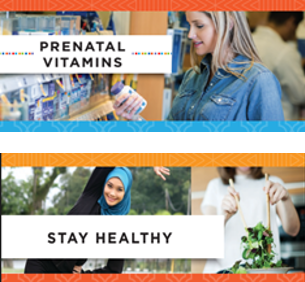
WIC is often the first place participants who may become pregnant, are pregnant, or are postpartum learn about getting enough folic acid through supplements and folate-rich foods.
Using nutrition education to improve folic acid intake is easy with the Prenatal Vitamins and Stay Healthy cards.
Because many pregnancies are unplanned and nutrient needs during lactation differ from pregnancy (continued use of prenatal supplements may provide excessive intake of folic acid and iron), education surrounding the intake of folic acid is imperative.
Participants need to know
-
Folic Acid Supplementation Recommendations:
- Women of childbearing age- 400 micrograms/day
- Pregnant women- 400 micrograms/day
- Postpartum women- a daily multivitamin with folic acid
-
WIC foods high in folic acid:
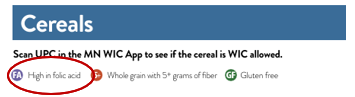
- Fortified breakfast cereals (check the shopping guide) fortified rice, and enriched corn tortillas (Chi-Chi’s, Mission, Great Value, Don Pancho, La Providencia).
|
 |
Talk with participants about folic acid and use nutrition education cards to reinforce the message.
Local agency staff should talk to their supervisor for approval before registering for training.
Refer to WIC Annual Required Trainings for staff training requirements.
Upcoming trainings
Shopping experience training
Minnesota WIC will offer more opportunities to attend a live webinar on WIC Foods and Shopping Experience training. The training will be offered quarterly in 2026. Continuing education credits will be awarded. These sessions WILL NOT be recorded. The same information will be presented at each presentation.
Presenters: Erin Kelsey from the Vendor Team and Mary Frances Guiney from the nutrition team.
Upcoming dates:
Questions: Reach out to Erin Kelsey.
|
The week ahead
Check out upcoming trainings and meetings: Local Agency WIC Calendar
Find new job opportunities on the WIC Job Postings webpage. This week includes:
Submit job postings using the WIC Job Postings survey.
WIC featured in new storytelling campaign
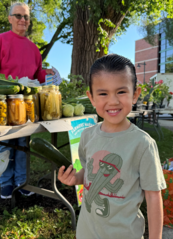
Eating healthy is something every parent wants for their children, but some days, it’s harder than it seems. Owatonna resident Sitlaly (Lali) Salinas found ways to introduce fruits and vegetables to her children thanks to WIC and the local public health staff like Lisa Waypa from Steele County Public Health. Learn more through one family’s story how families, farmers, and local public health professionals come together to make eating healthy easier: Fresh Food for Families: WIC’s Farmers' Market Nutrition Program.
This story is part of MDH's new storytelling initiative, Public Health People, which aims to shine a light on just a few of the thousands of people across the state that work to protect your health—and the health of your community. Through Public Health People, MDH will be sharing stories that highlight the dedicated and passionate people working to protect, improve, and maintain the health of all people in Minnesota. They make public health possible.
|
|