Resource
COVID-19 Boosters
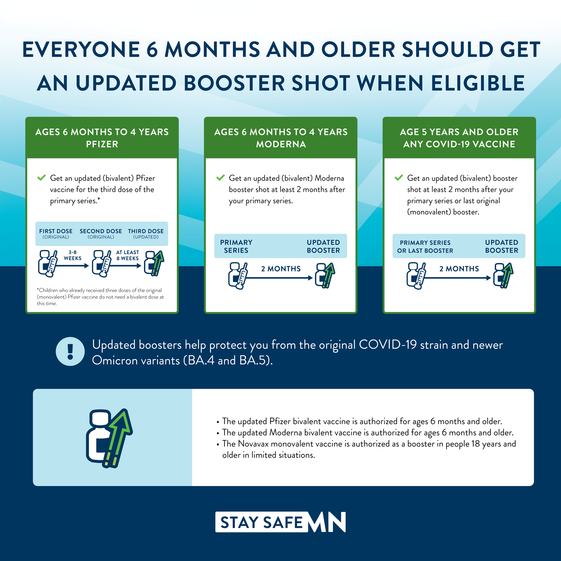
It's important for everyone to stay up to date on their COVID-19 vaccine. This means everyone age 6 months and older should get all COVID-19 primary series doses, plus the most recent updated bivalent dose recommended for them.
There are many benefits of getting vaccinated against COVID-19.
Prevents serious illness: COVID-19 vaccines are safe and effective at protecting people from getting seriously ill, being hospitalized, and dying.
A safer way to build protection: Getting a COVID-19 vaccine is a safer, more reliable way to build protection than getting sick with COVID-19.
Offers added protection: COVID-19 vaccines can offer added protection to people who had COVID-19, including protection against being hospitalized from a new infection.
COVID-19 vaccines are effective, especially at preventing serious illness and death. Additionally, evidence is showing that boosters, given at the appropriate time, can help extend the protection and keep it at a higher level.
Sharing This Information
A report published by the Centers for Disease Control and Prevention (CDC) found the most common reasons for not getting a bivalent booster dose were lack of awareness about eligibility or availability and overconfidence in immunity. Read the full report on CDC’s MMWR website: Reasons for Receiving or Nor Receiving Bivalent COVID-19 Booster Vaccinations Among Adults.
Please help increase awareness of COVID-19 bivalent boosters among your clients, volunteers, and staff by sharing basic, accurate information.
-
Post the booster graphic below and other information in the bulletin along with accompanying links to your organization's health services website and social media channels, such as Facebook/Instagram/Twitter.
- Encourage staff and volunteers to read this Bivalent Booster fact sheet and talk about the facts with a client, each other, or someone who's deciding whether to get their booster.
- Share this list of the Top 10 COVID-19 myths from the Association of American Indian Physicians. Choose one of them to discuss with someone who may have concerns about getting COVID-19 vaccine.
- Post this updated COVID-19 Vaccine factsheet from Minnesota Department of Health (MDH) to respond to common questions such as what to do after you get vaccinated, getting the vaccine if you have underlying conditions, and other basic vaccine information.
Vaccine Uptake
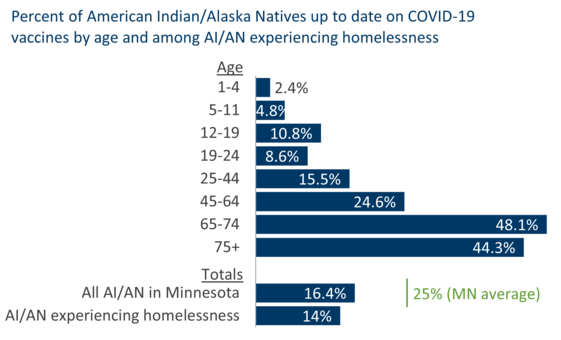
The chart below reflects current reported vaccination rates for people in Minnesota who identify as American Indian or Alaska Native (AI/AN) who are up to date on COVID-19 vaccines (16.4%) and for AI/AN experiencing homelessness who are up to date on COVID-19 vaccines (14%).
The green text at the bottom of the chart reflects the statewide rate for all Minnesotans who are up to date on COVID-19 vaccines (25%).
The rates below for AI/AN who are up to date on COVID-19 vaccines are both lower than the statewide average for Minnesotans up to date.
For details on the COVID-19 vaccine data above as well as more COVID-19 vaccination data for Minnesota, visit the COVID-19 Vaccine Data Situation Update.
For national vaccine data by race and ethnicity, visit the Centers for Disease Control and Prevention (CDC) COVID Data Tracker.
from the Association of American Indian Physicians
COVID-19 Vaccine Locator
When it comes to getting vaccinated, it might come down to location, location, location! For example, which site is closest to your shelter or to places your clients frequent on a regular basis? Or would they prefer to receive their vaccination at a local Indian Health Service clinic, pharmacy, or at health department?
Simplify their search with the Find COVID-19 Vaccine Locations tool – all you need is a zip code. The tool can even find locations that offer specific accommodations like language services. Check it out today and find your perfect spot to get the shot!
Host a COVID-19 Vaccine Clinic
Request a vaccination event through MDH by submitting the COVID-19 Vaccination Request Form for Congregate Settings. The form is open for use by staff at congregate settings, such as shelters, transitional and supportive housing facilities, and day centers, as well as food shelves and outreach programs.
 |
|
Settings can request vaccine clinics for COVID-19 first shots, second shots, and boosters, as well as the annual influenza vaccine.
Another option is to contact your local or tribal public health department to ask about scheduling a vaccination event.
|
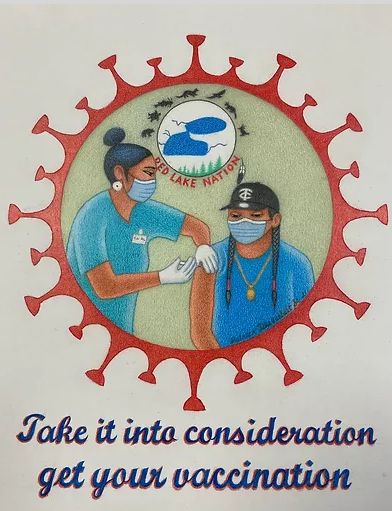
Image from American Indian Community Housing Organization (AICHO).
Telehealth test-to-treat program
People in Minnesota can get easy access to no-cost COVID-19 medications through our telehealth test-to-treat program.
Clients can use any at-home test, talk to a health care provider virtually, and get a prescription sent to a local pharmacy if they qualify. COVID-19 medications help reduce the risk of serious illness or hospitalization.
For more information on how to access this program:
Navigator Service for Shelters
Remember, if you have a shelter guest who tests positive for COVID-19 and may benefit from medications, you can request the assistance of a therapeutics navigator to help the patient access medication. Even people with mild symptoms may be eligible for treatment if they are at higher risk of severe illness.
The therapeutics navigator can support the following activities:
- Identify a healthcare provider to conduct a medical assessment and prescribe COVID-19 therapeutics,
- Schedule appointments including telehealth visits where available,
- Arrange transportation for medical visits and prescription pick-up or delivery.
To request the support of a therapeutics navigator, complete this navigator request form.
|