|
April 1, 2020 View this as a webpage
Managing cardiovascular health conditions and preventing the spread of COVID-19
Older adults (especially people 65 and older) and people of any age who have serious underlying medical conditions may be at higher risk for more serious complications from COVID-19. This includes individuals with heart disease or a weakened immune system, or those taking certain medications that can increase vulnerability to infections. People with heart disease are not more likely to get COVID-19 than the general population, but they are more likely to face more severe complications from the illness.
MDH remains committed to serving Minnesotans with cardiovascular disease. Please read a message from the Center for Health Equity in response to COVID-19.
Read the latest Heart Health and COVID-19 Resources for health care providers and patients on the MDH website.
Social Distancing
The #1 thing Minnesotans can do to slow the spread of COVID-19 is stay home. Governor Walz has issued a stay at home order through April 10th in an effort to reduce contacts between people and reduce the number of COVID-19 infections.
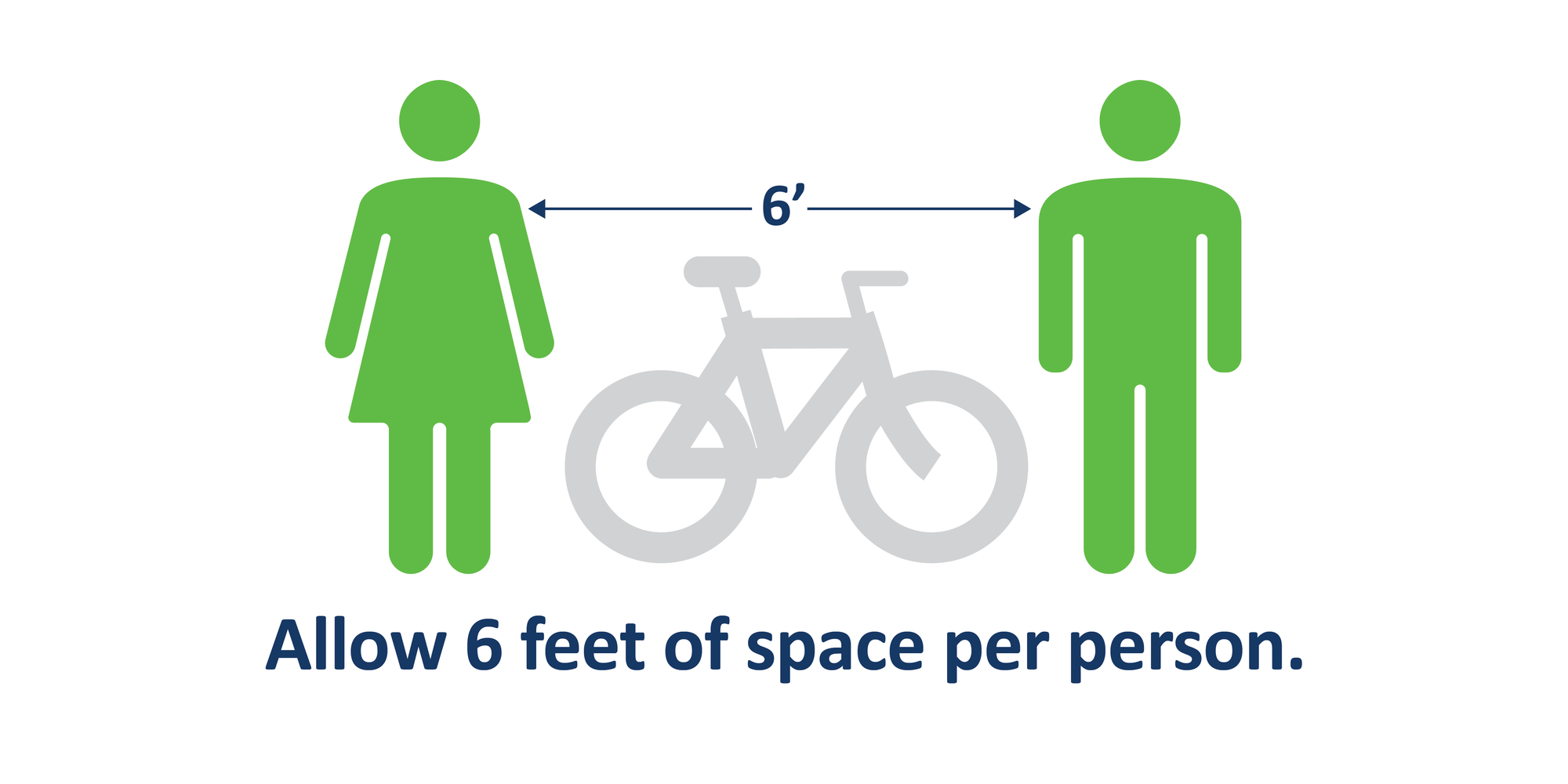
If you are healthy and need to go out, practice social distancing: keep at least 6 feet between you and another person.
 And, of course, we can’t say enough that people should stay home if they are sick. And, of course, we can’t say enough that people should stay home if they are sick.
Visit Strategies to Slow the Spread of COVID-19 in Minnesota for our recommended community mitigation strategies by setting.
For Patients with Heart Conditions
Cardiovascular disease is a chronic condition, as is high blood pressure, asthma, COPD and diabetes. If you have any of these conditions, you should take extra care to protect yourself during the COVID-19 outbreak. Here are some ways to stay healthy:
Defend Against Infection
- Wash hands thoroughly with soap and water for at least 20 seconds.
- Cover your mouth with a tissue when you cough or sneeze, and throw the tissue away. If you have no tissue, use the inside of your elbow.
- Avoid touching your eyes, nose, and mouth.
- Clean surfaces touched often like doorknobs, faucets, gas pumps, steering wheels, phones, keyboards, or keypads with a disinfectant to remove the virus.
Get Vaccinated
Although there is not yet a vaccine for COVID-19, people with heart conditions should stay up to date on their vaccinations such as those for pneumococcal pneumonia and flu.
Ask About Telehealth (Remote/Virtual) Visits
If you are managing your heart condition well, it might be an option to substitute a telehealth visit for a routine, in-person medical visit. That would help limit possible contact with others who may have the virus. Talk to your health care professional to find out if this would be appropriate for you.
Keep Up Healthy Habits
- If you are taking medicine for a health condition, including asthma, diabetes, or heart disease, including high blood pressure and high cholesterol, problems may occur if you skip a dose or stop it altogether. Don't change your medications or treatment without first talking to your health care professional.
- Social distancing does not mean social isolation. Regular phone calls, texts, emails or video chats can help prevent feelings of isolation and stress.
- It’s important not to put your health on the back-burner in times of stress. Remember to eat healthy, exercise, and get enough sleep.
- If you experience symptoms, such as fever, cough, or shortness of breath, call your health care professional.
- If you have heart failure, excess fluid in your body may be a concern. Ask your health care professional about extra monitoring you might need.
COVID-19 Resources
|