 Minnesota House Files and Senate Files of Interest
Click the links to follow updates on the following Minnesota House Files and Senate Files:
-
House File 359: Flame-retardant chemical use in certain products prohibited
-
Senate File 321: Flame-retardant chemical use in certain products prohibition
-
House File 1898: Skin lightening creams containing mercury health danger public awareness campaign created, and money appropriated
-
Senate File 1920: Skin lightening creams containing mercury use public awareness campaign creation and appropriation
-
House File 2276: Trichloroethylene banned in products and for use in manufacturing processes.
-
Senate File 2075: Trichloroethylene in products and in manufacturing processes ban
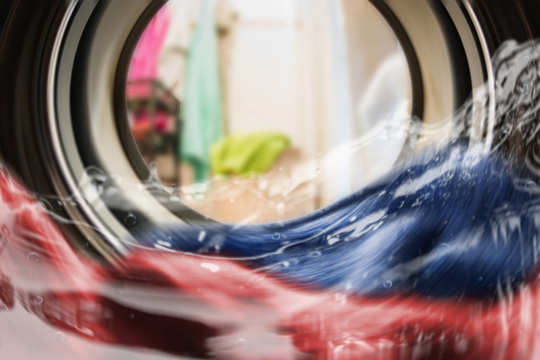 Microfibers from clothes are ending up in drinking water, food, air, and beer
Did you know tiny fibers shed from synthetic textiles, such as clothes and towels, are being lost into the environment through normal use and laundering? Read more about how our clothes are contaminating our planet.
Minnesota Pollution Control Agency has six tips to reduce your microfiber pollution:
- Wash clothes less
- Hand wash or use a front-loading clothes washer
- Choose apparel and household items like sheets and towels made from non-synthetic, organically produced materials
- Go for high-quality and durable products
- Use microfiber-reducing laundry products
- Encourage textile and clothing manufacturers to develop non-polluting alternatives
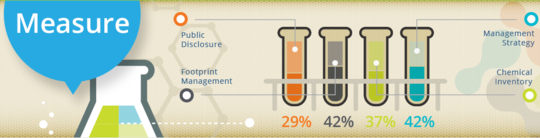 Opportunity for product manufacturers, brands, and retailers: The Chemical Footprint Project Survey
The Chemical Footprint Project Survey is designed to be completed by product manufacturers and brands, as well as by retailers. Retailers may choose to complete the Survey either from the perspective of a brand, looking only at their private label products, or from the perspective of a retailer, looking at both their private label products and products they sell from external manufacturers and brands.
The Survey is organized into four key performance categories: management strategy, chemical inventory, footprint measurement, and public disclosure and verification. Read more about the Chemical Footprint Project Survey opportunity.
|