Plant Pest Insider

Having trouble viewing this email? View it as a Web page.

Plant Pest Insider Newsletter logo with bug and leaf

A Newsletter from the Minnesota Department of Agriculture

January 16, 2025

New Infestation of Tree of Heaven Confirmed

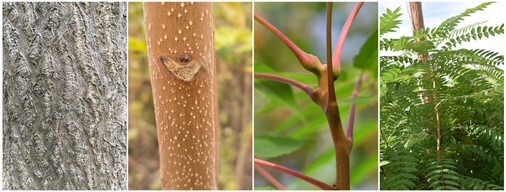
tree of heaven images showing mature bark, leaf scar, leaf arrangement, and young tree

Tree of heaven photos (left to right): bark of a mature tree, leaf scar and bud, leaf arrangement, and young tree.

Tree of heaven (Ailanthus altissima), an aggressive invasive tree that loses its leaves each fall and can damage roads and structures, was confirmed for the first time in Dakota County in September 2025. Tree of heaven is listed as a Prohibited Eradicate noxious weed, which means regulations require all above and belowground parts of the plant to be destroyed. It is also a host for spotted lanternfly (Lycorma delicatula), an invasive insect pest that causes damage to a wide range of plants, including fruit and vegetable crops.

Tree of heaven presents unique management challenges. Practices such as mowing or cutting without applying herbicide will stimulate aggressive lateral root and shoot growth. Hand pulling requires diligence, as even small root fragments can generate new shoots. A combination of basal bark and foliar herbicide treatments has been shown to be the most effective management strategy, and continued monitoring is necessary to treat regrowth.

Because of these management challenges and potential threat of harboring spotted lantern fly, this new infestation brought together a team from several organizations to assess the area and develop a comprehensive management plan. Staff from the Minnesota Department of Agriculture (MDA), Minnesota Department of Transportation (DOT), Dakota County Soil and Water Conservation District (SWCD), and the United States Forest Service (USFS) met with impacted landowners, mapped the infestation, collected core samples to determine the age of the trees, and developed a survey plan for the surrounding area to inspect for additional plants and signs of spotted lanternfly.

The infestation site is approximately one acre and includes a DOT right-of-way and two private land parcels. There are approximately 10-15 large trees, 15 feet or taller, on the private land parcels. The DOT right-of-way contains a mass of shorter trees that were likely mowed in the past.

The DOT began planning a foliar treatment for their right-of-way and the MDA awarded the SWCD a small grant to cover the initial treatments on the private parcels. Core samples collected by USFS revealed that the larger trees are at least seven years old. The source of the original plants is unknown.

While cold temperatures and snow halted further management work in 2025, these organizations are prepared to resume treatment in spring of 2026. Coordinating treatment timing between the DOT and the SWCD will be crucial to prevent aggressive regrowth. Education and outreach will focus on plant identification, and additional mapping and surveying will help define the extent of the infestation.

For more information on tree of heaven, please visit the species webpage.


Smarty Plants Episode Spotlight: Making Plans for a Healthy Garden

Smarty Plants Podcast Logo

Smarty Plants is a podcast exploring invasive insects and noxious weeds that threaten Minnesota’s natural and agricultural resources.

An essential part of garden planning is ensuring that the seeds or plants you choose are free from disease and noxious weeds. In this episode of Smarty Plants, learn how a little proactive planning can help you start the spring season with healthy plants and seeds.

Subscribe to Smarty Plants today so you don’t miss an episode!


In the Field: Seed Potato Certification

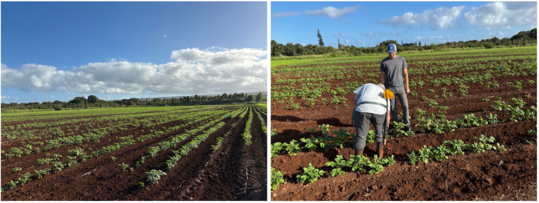
potato field and inspectors checking potato plants

Potato fields in O'ahu, Hawai'i

Every winter seed potatoes make a long journey from East Grand Forks, Minnesota all the way to O’ahu, Hawai’i. It is there that Minnesota Department of Agriculture (MDA) seed potato inspectors evaluate the potatoes for the presence of diseases or pathogens. This is a critical step in the certification process and allows the MDA to preview what may be planted across the state in the coming months.

While Minnesota is blanketed in snow and ice, Hawai’i offers a warm climate where the potatoes can grow quickly and without exposure to pests or pathogens that could cause false positives. For many years, the MDA and other state certification groups have partnered with a farm in Hawai’i to cultivate these potatoes. This unified approach to certification provides a common inspection process and creates an excellent venue for collaboration.

Through seed potato certification, the MDA ensures that the seed tubers used to produce the potatoes consumed across the country are free from disease and other pathogens.  These diseases and pathogens can significantly impact crops including effects on yield and quality. While seed potatoes are inspected and certified each summer, they must first be deemed eligible to enter the certification process, which takes place in Hawai’i.

This year the MDA will evaluate nearly 100,000 potato plants for 16 growers. Any plants inspected in Hawai’i that are suspected of being infected will be confirmed through laboratory testing. Results are typically shared with growers the first week of February, allowing those producers to market their seed across North America.

Learn more about seed potato certification


Help Protect Minnesota Forests from Invasive Pests 

MDA certified safe to move logo

Look for the MDA certified logo.

Moving untreated firewood can spread harmful pests like emerald ash borerspongy moth, and Asian longhorned beetle; species that have destroyed millions of trees across the United States. Even native pests like carpenter ants and bark beetles can hitch a ride on firewood and cause problems for homeowners.

Help stop the spread:

  • Buy firewood where you burn it! Locally sourced wood is less likely to carry invasive pests.
  • Use MDA certified firewood with the official seal. View the list of Certified Firewood Producers in Minnesota.
  • Avoid transporting hardwood firewood across county or state lines. It is illegal to move hardwood firewood out of Minnesota quarantined counties unless it is MDA certified. Violations can result in fines of up to $7,500 per day.

Visit the MDA's Buying Firewood webpage for more information. 


January Weed of the Month: Rowan Mountain Ash

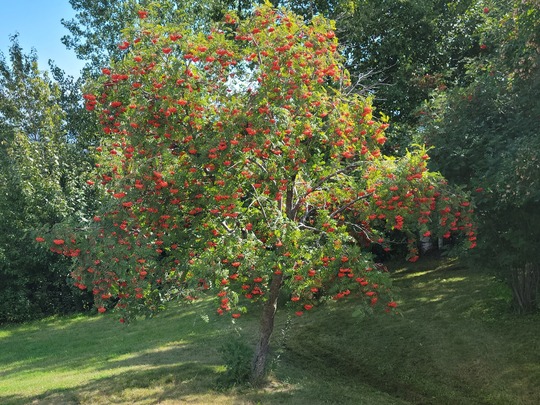
Planted tree with fruit in red clusters

Planted and pruned trees can have a rounded canopy.

A 3-year phase out of rowan mountain ash started Jan. 1

By Monika Chandler, Minnesota Department of Agriculture - Rowan mountain ash, Sorbus aucuparia, is an attractive tree with a rounded canopy, white flowers, and bright orange to red fruit. This species is specially regulated on the Minnesota Noxious Weed List. On January 1, 2026, a 3-year phaseout of the tree began giving nurseries across the state time to adjust their stock. This tree will not be allowed for sale in Minnesota starting January 1, 2029, to prevent the planting of more rowan mountain ash trees. There is no requirement to control existing rowan mountain ash trees now or past the 2029 phaseout.

Read more


January Garden Checklist from U of M Extension 

check mark

"Focus on winter plant protection, watch for environmental damage to lawns and landscapes, and match indoor plant care to seasonal conditions." Read more


Jug It & Grow: Winter Sowing for Pollinator Gardens (Morning Ag Clips)

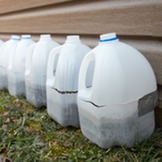
cut milk jugs filled with soil lined up against building

"Think gardening season is months away? Not so fast! As Minnesota moves into January, you can get a head start with winter sowing, a simple, budget friendly way to grow native plants that pollinators love. All you need are recycled containers (like milk jugs), potting soil, and seeds. These mini greenhouses sit outside all winter, giving seeds the cold stratification they need to break dormancy." Read more


Winter Pruning Basics: What You Can and Shouldn’t Cut Now (U of M Extension)

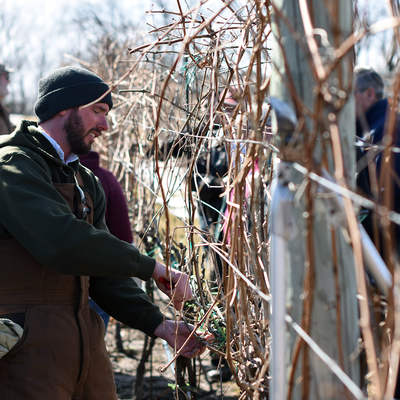
person cutting grape vines

Photo by University of Minnesota Extension

"January in Minnesota may feel like a gardening lull, but it’s prime time for one important task: dormant pruning. When trees and shrubs are bare, it’s easier to see their structure and make clean cuts that promote health and productivity. 

Proper pruning now sets the stage for healthier plants and better fruit and flower production later. Done right, it’s one of the most rewarding winter tasks for Minnesota gardeners." Read more


Selecting Trees to Plant this Spring (Morning Ag Clips)

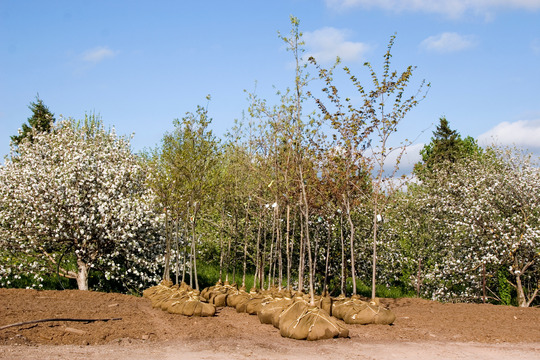
balled and burlaped trees a top dirt next to planted trees

"As we plan for 2026, now is the time to consider which trees and shrubs to plant in the coming spring and to order the varieties we want. As we have learned from Dutch elm disease, which killed American elms, and the emerald ash borer, which is killing ash trees, we need to diversify our landscapes by planting many tree species and avoiding overplanting a single tree family." Read more


Minnesota Department of Natural Resources (DNR) Seeks Tree Seed and Cone Collectors

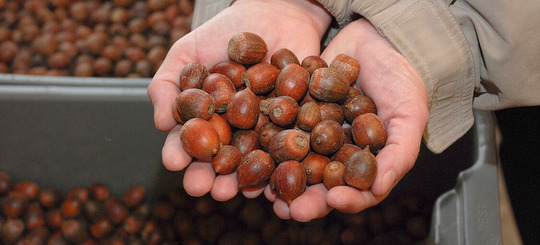
hands holding tree cones

Photo by DNR.

Do you know of a woodland or forest that produces large amounts of seeds or cones?

Why collect?

  • The seeds and cones you collect play a crucial role in the reforestation of state forests, parks, schools, and private lands across the state.
  • We need your help collecting local seeds to grow trees adapted to our climate and produce more resilient forests.
  • The DNR greatly depends on the public to maintain our seed supply.
  • Engaging in this activity can also be a wonderful family activity that offers a chance to earn some extra income. Prices for seeds range from $20 to $150 per bushel, depending on the specific tree species.

Learn more


Pests in the Press


cartoon bug holding newspaper

From Hillside to Hearthside: Tracking the Elongate Hemlock Scale’s Journey on Christmas Trees

When it comes to Christmas, most of us think about festive decorations, buying the perfect gift for that special someone, and playing Mariah Carey’s “All I Want for Christmas is You” on repeat. But for one tiny insect, the tune of the season might be “I’ll Be Home for Christmas”—because that’s exactly what it could be doing. Read more

Mapping the risks for Minnesota: How UMN scientists are tracking mountain pine beetle outbreaks

For decades, the Great Plains has served as a buffer, protecting Minnesota from an established population of the mountain pine beetle (MPB, Dendroctonus ponderosae) in South Dakota. The species is native to western North America but is slowly spreading east. Read more

New Methods Improve Monitoring of Biocontrol for Invasive Beetle

The Japanese beetle (Popillia japonica) was discovered in the U.S. in New Jersey in 1916, and by 2018 it had spread throughout the eastern U.S. and west as far as Colorado. Japanese beetles damage leaves and fruit of more than 300 plant species and cause harm to numerous commercial crop species, including fruit trees, blueberries and raspberries, soybeans, and hops. Read more


Upcoming Events

UMN Extension Fruit and Veg Webinar Series

January through April - "Kick off 2026 with a series of interactive online webinars to learn practical strategies to improve the production, harvest and quality of your fruits and vegetables." Register for the webinar series. 

Northern Green

January 20-22, - "Registration for the largest green industry event in the northern region is now open! Don't miss your chance to learn from green industry experts in every field and make the connections you need to help build your business or career." View the conference schedule.

Fridays with a Forester

January 30 to April 24 - Join Extension foresters to discuss some of the key issues and questions around forest and woodlands facing Minnesota land stewards. These online sessions will be very informal, open to the public and free of charge. Register for webinar series.

2026 Extension Women in Agriculture Network Conference

February 3 - "Building Your Business: Starting Strong, Scaling Smart, Succeeding Strategically" brings together women in agriculture to share practical tools, proven strategies, and inspiring stories for launching and maintaining resilient farms and agribusiness ventures." Register for the conference.

Organic Apple Orchard Academy

February 9, 11, 16, and 18 - "Embark on a transformative journey into organic apple orcharding with the Organic Apple Orchard Academy, a premier virtual event hosted by the IPM Institute of North America and the Organic Fruit Growers Association. The Academy will teach proven methods with insights on everything from site selection and disease-resistant varieties to bio-intensive pest management, efficient harvest strategies and savvy marketing for fresh and value-added products." Register for the academy.

Sustainable Farming Association (SFA) Annual Conference

February 7 - "The SFA Annual Conference is both our largest member gathering of the year and a showcase of the wisdom of the Minnesota sustainable ag community. Known for its warm and welcoming environment, it draws a few hundred farmers, ag professionals, aspiring growers, homesteaders, and local foods supporters." Register for the conference. 

Gardening from the Ground Up Webinar Series

February 16 to 19 - "University of Minnesota Extension educators are excited to offer the sixth annual Gardening from the Ground Up webinar series, a free weeklong program designed to help gardeners build skills from soil to harvest." Register for webinar series. 

Annual Invasive Species Forum

February 17 to 19 - "The virtual Invasive Species Forum is an annual event that brings attention to invasive species issues, research, and advances in prevention and management occurring across Canada, in neighboring U.S. States, and beyond." Register for forum.

Marbleseed Organic Farming Conference

February 26 to 28 - "The Marbleseed Organic Farming Conference is one of the largest organic farming conferences in the United States. Every year regenerative and organic farmers from a wide range of farm sizes, experiences, and backgrounds gather to learn the latest in organic farming methods, build community, and shape the future of the organic farming movement." Register for the conference. 

Minnesota Shade Tree Short Course

March 17 to March 18 - "The Shade Tree Short Course is two-day course for everyone involved in urban forestry, arboriculture, and the green industry. ISA Certified Arborist® CEUs are available for most sessions. The conference includes general and concurrent sessions each day, as well as a vendor area with mini sessions covering a variety of topics." Register for conference.

Save the Date!

UMISC Save the Date October 6-8, 2026

Early Registration will open in May 2026


Grants that Grow

stacks of pennies with sprouts coming out of top

Agricultural Growth, Research, and Innovation (AGRI) Program

The Agricultural Growth, Research, and Innovation (AGRI) Program supports the advancement of Minnesota’s agricultural and renewable energy industries. Learn more

Winter Funding Opportunities for Fruit and Vegetable Farmers

Find grants for infrastructure, equipment, and more. Learn more


Listen and Subscribe to the Smarty Plants Podcast

Subscribe to Smarty Plants Podcast


Report a Pest


Call us at 888-545-6684

Email us at reportapest@state.mn.us

Use our online reporting form