|
December 12, 2025
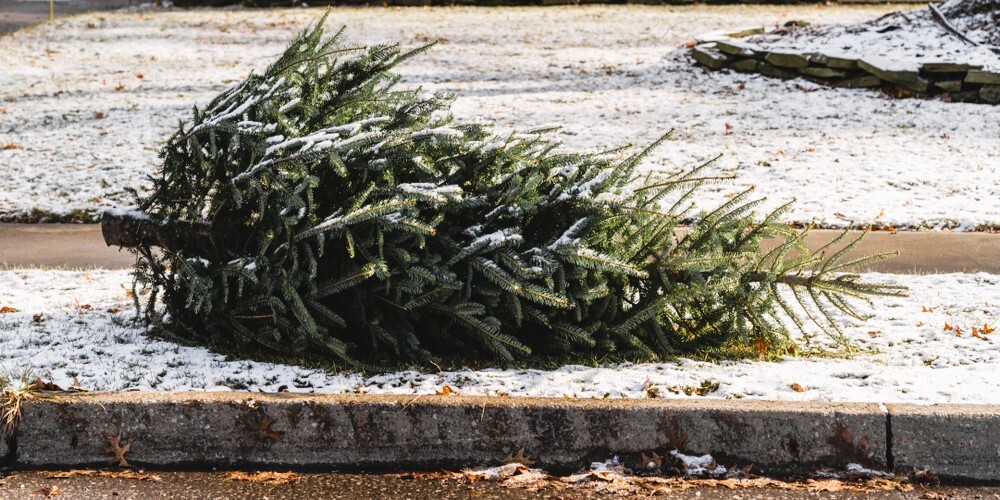
Proper disposal of holiday greenery protects our environment.
Insects and diseases can hitchhike on Christmas trees and holiday greenery brought into Minnesota from other states. Do your part to protect our environment when the holiday season is over:
- Use a curbside tree collection service or bring your tree to a designated drop-off site. The Minnesota Pollution Control Agency has a map of yard waste compost locations, contact locations directly to see if they accept trees and greenery.
- Check with your waste hauler, city, or county to see what services are available in your area.
- Dispose of wreaths and other decorative greens in your trash.
- Do not toss trees or greenery into backyard woods or residential compost piles.
- If your city or county does not have an organized pick-up or drop-off, burning the greens may be a last resort. Always check and follow local ordinances.
View more information on holiday greenery best practices.
If you suspect your greenery or tree may be infested with an invasive insect or disease, contact the MDA’s Report a Pest line at 1-888-545-6684, reportapest@state.mn.us, or through the online reporting form.
New Episode of Smarty Plants: Shop Local - Even for Your Holiday Tree!
Smarty Plants is a podcast exploring invasive insects and noxious weeds that threaten Minnesota’s natural and agricultural resources.
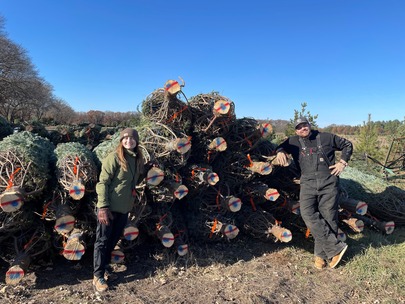
Tune in as Minnesota Christmas tree grower John Krueger discusses the benefits of choosing a real, locally grown tree, and Rachel Wandrei from the Minnesota Department of Agriculture’s Minnesota Grown program shares tips for finding local options. Get expert advice on shopping local, selecting the perfect tree, and keeping it fresh all season long. Don’t miss this festive and informative episode!
Subscribe to Smarty Plants today so you don’t miss an episode!
Buy Local with the Minnesota Grown Directory
The Minnesota Grown Directory is a great resource to find local Christmas trees, holiday greenery, and more. Visit minnesotagrown.com to learn more. |
|
 |
In the Field: Holiday Greenery Inspections
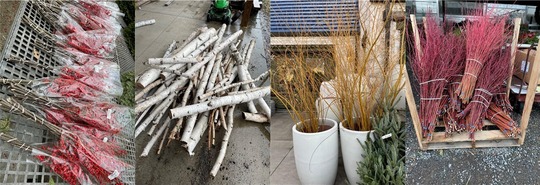
Some of the holiday products inspected include winterberry, birch logs, gold dogwood, and red dogwood.
Each year, many agricultural products such as Christmas trees, wreaths, boughs, cut vines, shrubs, and decorative plants arrive in Minnesota for the holidays. These items can unknowingly carry invasive pests like elongate hemlock scale, boxwood blight, round leaf bittersweet, spongy moth, brown marmorated stink bug, spotted lanternfly, and Japanese maple scale.
To reduce these risks, the Plant Pest Regulatory Unit of the Minnesota Department of Agriculture (MDA) inspects incoming holiday plant material at nurseries and retail locations.
If a pest is detected:
- Non-regulated pests: Education and outreach.
- Regulated pests: Possible movement restrictions, export limitations, or control/eradication efforts.
Invasive pests can spread through holiday greenery in several ways. The top pathways include:
- Improper disposal of trees and greenery
- Moving firewood and other wood products
- Transport on freight, vehicles, or recreational equipment
Learn more about holiday greenery best management practices.
As of November 20, inspectors have certified 21,305 cut Christmas trees for sale.
Seed Selection for Garden Success
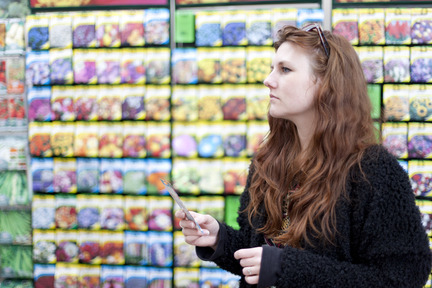
Seeds sold in Minnesota must have a label identifying the seed type and expected germination rate.
Although gardening season is still months away, now is the perfect time to start planning. For gardeners who start plants from seed, there are many options available, but which ones will result in healthy plants?
Seed catalogs and seed packets sold in local garden centers offer options to meet many gardening goals, including flowers, vegetables, organic varieties, heirlooms, and regionally specific seed. These commercially available seeds must meet Minnesota’s seed labeling laws, which require accurate germination rates and prohibit the presence of invasive weed seeds. Many seed companies also test their seeds to verify that plant pathogens, such as fungi, viruses, or bacteria, are not present in the seed and waiting to cause future problems. Purchasing seed from a reputable supplier is a reliable way to reduce the risk of introducing problems along with your seed.
Saving seed from your own garden or acquiring seed through a local seed swap is a popular alternative to purchasing seed. Remember to only save seed from healthy plants. Some plant pathogens can move from an infected mother plant into the seed. Seeds produced by sick plants may appear healthy but once planted, plant pathogens can become active and cause disease in new seedlings. It is also important to only swap seeds locally. Different plant diseases occur in other states and countries that are not currently present in Minnesota. If introduced on infected seeds, these invasive plant pathogens could cause significant damage to Minnesota’s gardens, farms, and natural ecosystems.
Never use produce from the grocery store as a source of seed. Much of produce available in Minnesota in late winter and early spring is grown outside of the United States. Produce is considered a low-risk pathway for invasive plant diseases because cooking kills plant pathogens. However, seeds taken from grocery store produce, such as tomatoes and peppers, may carry invasive viruses and bacteria. These pathogens can grow and spread if the seeds are planted. There has been one confirmed case of Tomato Brown Rugose Fruit Virus (ToBRFV), an invasive plant virus not established in Minnesota, being introduced by a grower who planted seed collected from grocery store tomatoes.
For additional information, visit the MDA Seed Program website and the Starting Seeds Indoors page from UMN Extension.
Help Protect Minnesota Forests from Invasive Pests
Look for the MDA certified logo.
An evergreen question frequently comes into MDA’s Report a Pest: some iteration of “Is it ok to move firewood from Point A to Point B?” While there is always a definitive legal answer, it is important to remember that even if you can legally transport firewood long distances, it is still not a good idea unless the wood is MDA Certified. This is particularly important now as the emerald ash borer (EAB) quarantine covers a large, contiguous area in Minnesota.
View current boundaries of the emerald ash borer and spongy moth quarantines.
Firewood is a regulated article and is defined as:
- Any non-coniferous species cut to 4 feet in length or less
- Split or unsplit
- For commercial or personal use
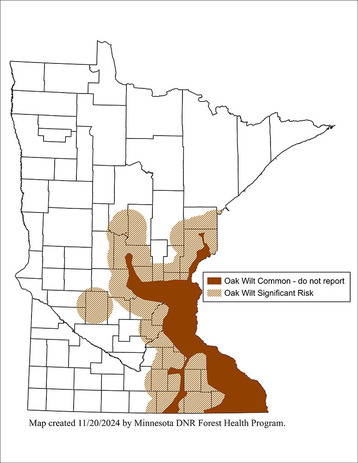
DON’T: Transport firewood long distances. Buy or harvest firewood where you plan to burn it. You may inadvertently introduce an unwanted pest or disease such as EAB, spongy moth, or oak wilt into a new area when you move firewood. It is important to remember that infested firewood may not show visible symptoms.
DO: Buy firewood locally or purchase MDA certified firewood. Certified firewood has been treated to meet state standards and is verified as safe to move throughout the state. Look for the MDA certified logo when buying.
If you have questions regarding firewood regulations and best practices, contact MDA’s Report a Pest via the online reporting form, reportapest@state.mn.us, or leave a detailed voicemail at 888-545-6684.
December Weed of the Month: An Invasive Plant Success Story
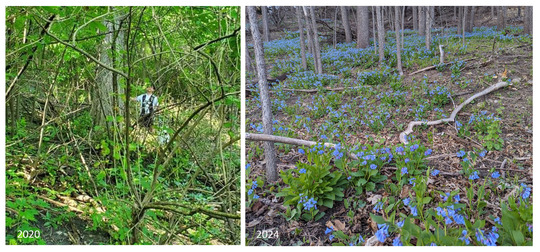 Invasive plants had overtaken the woodland understory (left). Many native plants such as bluebells returned on their own after invasive plants were removed (right).
Advice for those beginning invasive plant removal projects
By Monika Chandler, Minnesota Department of Agriculture -
Clearing invasive plants from the woodland garden at the Plummer House of the Arts started as a pandemic project to keep Angie, a forestry professional, and her sons outside and active. Angie didn’t set out to transform a woodland, but native plants and wildlife flourished after invasive plants were removed.
Read more
|