|
July 15, 2025
Getting to the Root of the Problem: Identifying Plant Issues
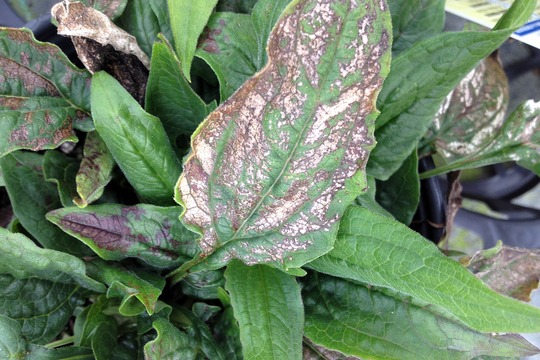
Downy mildew on echinacea leaves
By mid-summer gardeners often notice that some of their plants don’t look quite right. Plant problems can be caused by insect pests, diseases, environmental conditions, management mistakes, and more. To determine if a plant needs to be treated and how to support its recovery, the cause of the problem must first be identified.
First, inspect the plant. Are symptoms mostly in the upper, lower, or one side of the plant? Or are they scattered randomly throughout? Closely examine three to five damaged leaves. Look for holes, spots, or discoloration and check the lower leaf surface for signs of insect pests or plant pathogens. Also inspect stems, branches, and the trunk for cracked, sunken, discolored areas, insect exit holes, feeding from wildlife, or other damage.
Many resources are available to help identify plant problems:
- The University of Minnesota (UMN) Extension has an online diagnostic tool called What’s wrong with my plant? that provides a step-by-step key to identify common insect and disease problems based on symptoms.
- The Master Gardener program answers questions through an online form, a call line, and in-person clinics and classes.
- For a fee, plant samples can be submitted to the UMN Plant Disease Clinic for diagnosis of plant pathogens.
If you suspect the problem may be caused by a new or invasive insect or disease, take photos of the damage and send them to the Minnesota Department of Agriculture Report a Pest online form or call 1-888-545-6684.
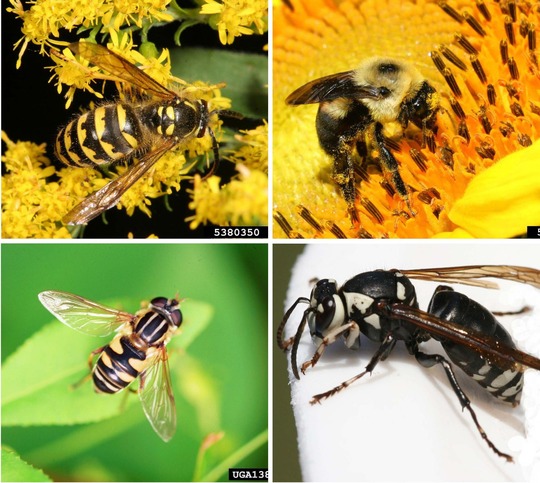
Top row, left to right: yellowjacket photo by Gary Alpert, Harvard University, Bugwood.org; bumble bee photo by Russ Ottens, University of Georgia, Bugwood.org. Bottom, left to right: hoverfly photo by Steven Katovich, Bugwood.org; baldfaced hornet photo by Johnny N. Dell, Bugwood.org.
Its July, and you may start to notice more yellow and black insects flying around. Some of the most common include yellowjackets, hornets, bumblebees, and hoverflies. While some of these insects will sting if threatened, others don’t even have stingers. Hoverflies, for example, are flies and not in the same group as bees and wasps. They mimic their more venomous counterparts but do not sting. There is great diversity and beauty among these groups of insects as shown in the images above.
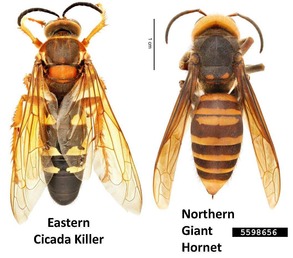
It seems that the larger the insect, the more people notice it. One of our larger native insects that draws attention this time of year is the eastern cicada killer, often mistaken for the invasive Northern Giant Hornet (formerly known as Asian giant hornet).
The eastern cicada killer (Sphecius speciosus) is a large, solitary wasp native to the eastern half of the United States. It is generally non-threatening to people but can be territorial. Males cannot sting and females will only sting if provoked. Female cicada killers hunt cicadas, paralyze them with a sting, and bring them to their underground nests to feed their young. These wasps prefer sunny areas with loose, well-drained soil for nesting. Small mounds near sidewalks or lawns are a common sign of their activity this time of year.
Photo by Hanna Royals, USDA APHIS PPQ, Bugwood.org
The northern giant hornet (Vespa mandarinia) is an invasive species first discovered in Washington in 2019. This insect is concerning because it can decimate a honeybee colony within hours and poses a threat to pollinators. Northern giant hornets typically nest underground and prefer forested or mountainous regions. After five years of work by multiple agricultural agencies, the northern giant hornet is now considered eradicated from the U.S.
For a helpful resource comparing many of these insects, visit A Visual Comparison of the Asian Giant Hornet and Other Insects.
July Weed of the Month: Harmful Impacts of Invasive Plants
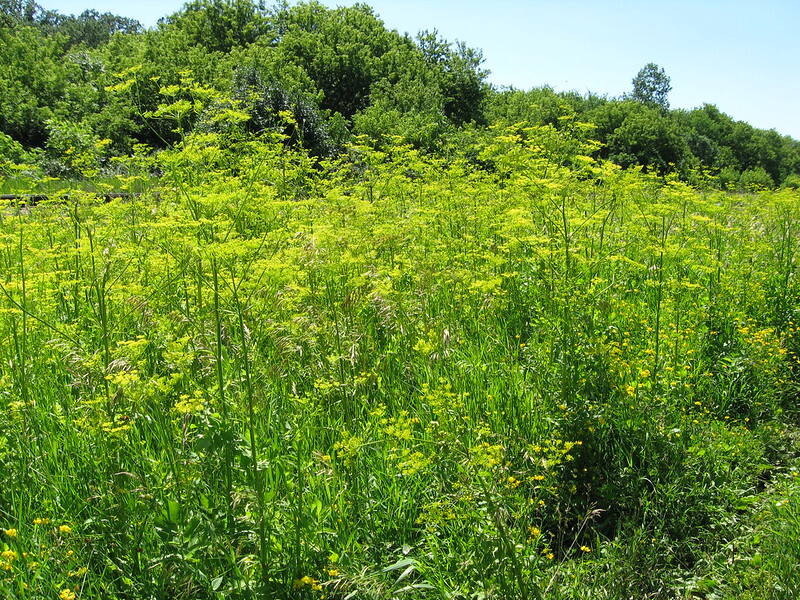
Wild parsnip is commonly found along roadsides and in fields.
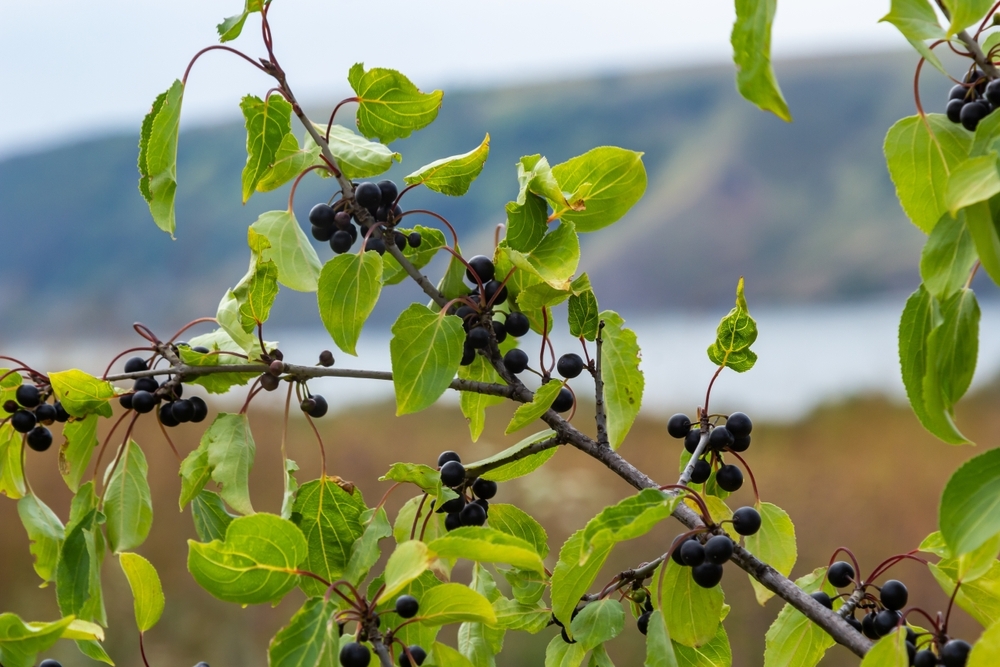
Many of the invasive plants listed on Minnesota’s Noxious Weed List threaten ecosystems, agriculture, and public health
By Emilie Justen, Minnesota Department of Agriculture - Minnesota is known for its diverse landscapes and ecosystems. Residents and tourists enjoy the state’s abundant natural resources by visiting public parks, exploring our vast network of recreational trails, fishing on our pristine lakes, and other outdoor activities. From forests to prairies, rivers, and lakes, the state hosts thousands of native plants and animals adapted to varied ecosystems.
Read more
In the Field: What MDA Staff Are Seeing
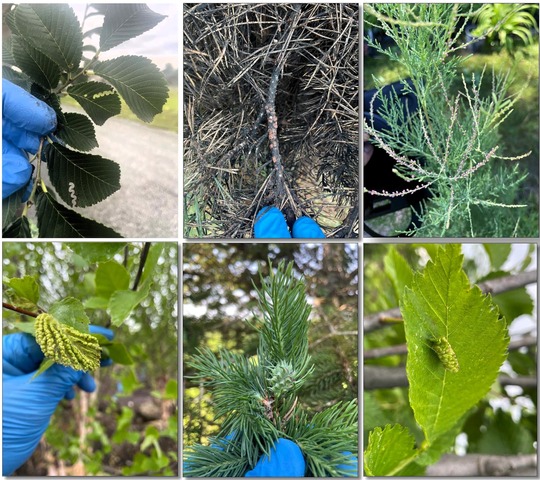 Top row, left to right: Leaves showing signs of elm zigzag sawfly; scales found on pine tree, restricted noxious weed Tamarix ramosissima Ledeb. found for sale. Bottom row, left to right: Aphid damage on elm; gall on spruce; gall on elm
Each year, the Minnesota Department of Agriculture (MDA) inspectors are out in the field monitoring nurseries and Christmas tree farms across the state for harmful pests, plant diseases, and noxious weeds. These inspections are a key part of the MDA’s efforts to protect Minnesota’s nursery industry, natural resources, and consumers.
All nursery stock grown in Minnesota for sale must be inspected and certified, and plants imported from other states must meet the same standards. Inspectors prioritize high-risk sites, especially those bringing in large volumes of out-of-state stock, and take regulatory action when pests are found to prevent their spread.
In addition to inspecting for known threats, the MDA staff are also on the lookout for new and emerging pests. This proactive work is part of a multifaceted approach to keeping plants safe. Inspectors collaborate across MDA programs and with growers and industry professionals to ensure that plant material being sold is healthy, legal, and safe. Many growers may not be aware of the latest local or national concerns, so inspectors also serve as educators in sharing up-to-date information and helping partners stay ahead of emerging issues.
A key tool in this work is the Nursery and Christmas Tree Farm Survey. Conducted in partnership with the USDA and University of Minnesota, the survey uses visual inspections, pheromone-baited traps, and lab testing of plant, soil, and water samples to detect invasive species early. Target pests are prioritized based on risk factors such as climate suitability, host availability, and likelihood of introduction. In recent years, these efforts have led to the detection of invasive species that triggered additional surveys and regulatory response.
View the Minnesota Noxious Weed List to stay current on regulated species. All listed species including hybrids, cultivars, and varieties are covered unless specifically exempted.
Learn more about Nursery Certification and Plant Regulation.
Help Protect Minnesota Forests from Invasive Pests
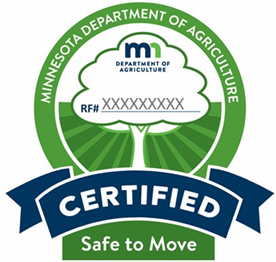
Look for the MDA certified logo
Moving untreated firewood can spread harmful pests like emerald ash borer, spongy moth, and Asian longhorned beetle; species that have destroyed millions of trees across the U.S. Even native pests like carpenter ants and bark beetles can hitch a ride on firewood and cause problems for homeowners.
Help stop the spread:
- Buy firewood where you burn it! Locally sourced wood is less likely to carry invasive pests.
- Use MDA-certified firewood with the official seal. View the list of Certified Firewood Producers in Minnesota.
- Avoid transporting hardwood firewood across county or state lines. It is illegal to move hardwood firewood out of Minnesota quarantined counties unless it is MDA certified. Violations can result in fines of up to $7,500 per day.
Visit the MDA's Buying Firewood webpage for more information.
|