|
Legislative Update
Dear Neighbor,
We are now nearly two weeks removed from the end of the legislative session, and it finally feels like things are beginning to settle down after an intense final stretch at the Capitol. The closing days of session were filled with long floor debates, late-night negotiations, conference committee meetings, and a constant push to finalize major pieces of legislation before the midnight adjournment deadline. As is often the case in a closely divided Legislature, many of the biggest decisions came together during the final weekend, which made for a fast-paced and demanding finish.
Now that the dust has started to settle, there has been more time to step back and reflect on what was accomplished this session. I have gotten some questions about the HCMC funding, which was included in the Health and Human Services bill, which I want to break down for you today.
|
|
Stabilizing HCMC and Protecting Health Care Across Minnesota
One of the most significant parts of this year’s Health and Human Services agreement was the plan to stabilize Hennepin County Medical Center (HCMC) and strengthen hospitals across Minnesota. While much of the attention focused on HCMC itself, the reality is that this agreement was about protecting the stability of Minnesota’s entire health care system.
HCMC is far more than a metro-area hospital. It is a Level I trauma center and one of the state’s largest safety-net hospitals, serving patients from every corner of Minnesota. Roughly 40 percent of HCMC patients come from outside Hennepin County, and the facility handles a disproportionate share of uncompensated care (healthcare services provided by hospitals or medical providers for which no payment is received from the patient or an insurance company) and high-acuity (intensive, specialized medical or psychiatric attention for individuals with severe, complex, or life-threatening conditions) cases that many hospitals are not equipped to absorb. If HCMC were to experience severe service reductions or financial collapse, the impact would extend statewide, placing enormous strain on emergency rooms, trauma systems, and hospitals throughout Minnesota.
The final agreement provides a significant but structured financial stabilization package to help prevent that outcome. It includes a direct stabilization payment to HCMC ($105 million), support for the Directed Payment Program ($100 million), and the creation of a broader Hospital Stabilization Reserve Account funded with approximately $500 million. Importantly, this funding is not limited to HCMC alone. The reserve account ($500 million balance) is designed to support hospitals across Minnesota that serve large numbers of Medical Assistance and MinnesotaCare patients or provide substantial uncompensated care. The legislation also establishes a separate statewide Hospital Stabilization Program focused on helping critical access hospitals, rural emergency hospitals, and other financially stressed facilities remain operational.
This was especially important for rural Minnesota. Many rural hospitals already operate on extremely thin margins and serve as the only nearby source of emergency and inpatient care for their communities. The agreement also includes permanent Medicaid reimbursement increases for critical access hospitals, helping improve long-term financial stability and protect access to care in Greater Minnesota.
At the same time, the funding provided through this agreement comes with significant oversight and accountability measures. This was an absolute necessity in the agreement to direct funds to HCMC. The legislation includes governance reforms for HCMC, including updated board requirements designed to ensure stronger expertise in hospital administration, finance, law, and health care operations. It also requires restructuring of the Hennepin Healthcare governing board and establishes a task force to examine long-term reforms and recommendations for Minnesota’s broader health care delivery system.
In addition, the broader Health and Human Services agreement brings Minnesota into compliance with federal Medicaid requirements to help preserve billions in federal health care funding. That includes reforms tied to eligibility verification and work or community engagement requirements for certain able-bodied adults receiving Medicaid benefits. These changes were aimed at protecting the long-term sustainability of public health care programs while ensuring funding remains available for the hospitals and patients who rely on them.
This agreement was ultimately about maintaining stability in Minnesota’s health care infrastructure. Protecting HCMC, strengthening rural hospitals, preserving federal funding, and improving oversight are all connected pieces of ensuring Minnesotans across the state continue to have access to emergency care, trauma care, and essential medical services when they need them most.
I hope that this explanation clears up any confusion or questions that you may have. If you have further questions, please don’t hesitate to reach out and I will work to find you the best answer!
|
|
Honoring our Fallen on Memorial Day
I want to recognize and thank our Steele and Waseca County Memorial Day organizers and participants for their outstanding efforts to keep the deep meaning of Memorial Day in our hearts and minds. The weather was perfect! I sincerely appreciated the opportunity to speak at the Waseca County Memorial Day event held on the Waseca County Courthouse lawn. Next, I joined Senator Jasinski at the Steele County Memorial Day event at the Steele County Fairgrounds. Both events were very well attended, and each event reflected the honor and respect all Americans feel towards our fallen service members!
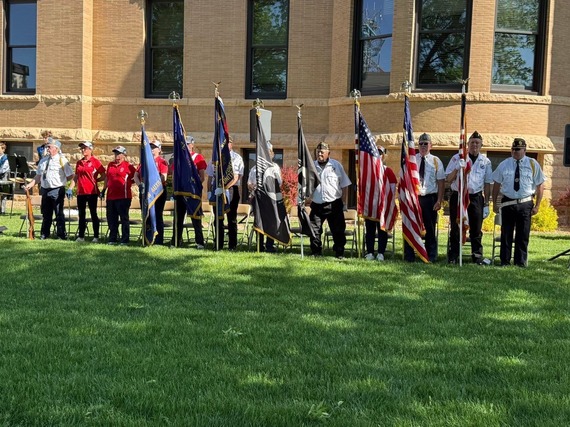 Waseca County Memorial Day Event
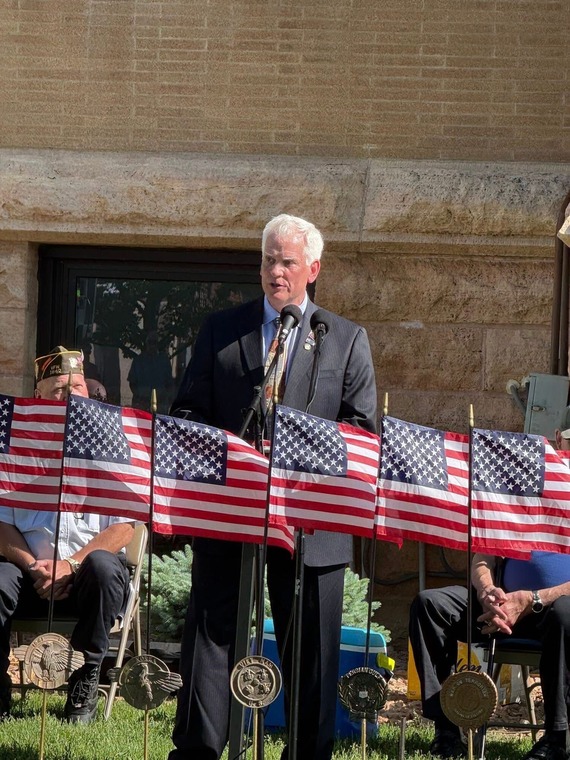 I was honored to speak at the Waseca County Memorial Day Event
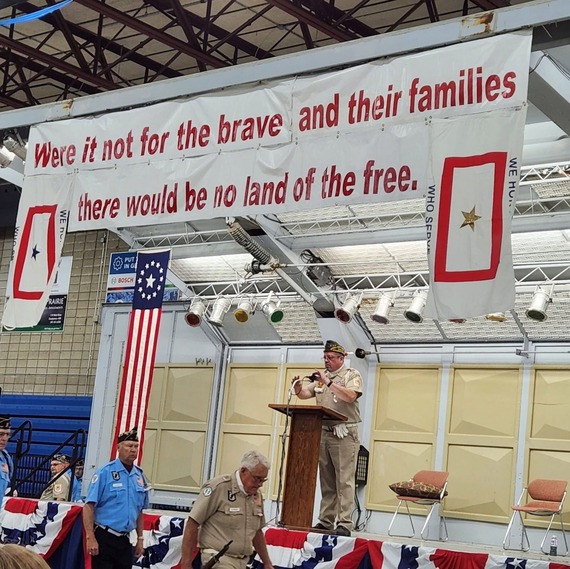 Steele County Memorial Day Event
|
|
A Note about our Communications this Interim
Now that the legislative session is over, we have entered the interim period, when much of our work shifts away from daily activity at the Capitol and back into our districts through meetings, community events, and constituent outreach.
I want to make you aware of an important restriction that applies in even-numbered years. We are limited in sending unsolicited mass communications from in our official capacity as legislators during the 60-day period before a general election. Because of that requirement, I will no longer be able to send these official email updates beginning July 17th.
During that time, I plan to continue sharing updates primarily through my Facebook page, and you are always welcome to contact me directly by email or phone with any questions, concerns, or ideas. It is an honor to serve our communities, and I look forward to staying connected throughout the interim.
|
|
Coffee with Tom
Currently, I am planning to host Coffee with Tom at the Owatonna Chamber of Commerce on Friday, June 5th from 12:00pm – 1:00pm.
Next, I am planning to host Coffee with Tom at the Waseca Chamber of Commerce on Friday, June 19th from 12:00pm – 1:00pm. Note: The Waseca Chamber of Commerce will be closed on June 12th, 2026, so we rescheduled to the following Friday.
Thank you for your support and feedback, and please reach out if you need assistance in the meantime!

|
|
I want to hear you
I am always here to listens to concerns or ideas of my constituents. I can be reached via email rep.tom.sexton@house.mn.gov or phone 651-296-5368.
 If you would like to contact Rep. Sexton, DO NOT reply to this email. Please reach out directly to rep.tom.sexton@house.mn.gov.
|
|
|
|
|