|
Dear Friends and Neighbors,
We are now past the final committee deadlines, which means most committee work for the session has wrapped up and the focus has shifted almost entirely to the House floor. At this stage, bills have either made it through the process or they are done for the year, and the work now is about debating and passing what remains. In a closely divided House, that means bills cannot pass without bipartisan support, which has been hard to come by this year. Even with those challenges, we will continue pushing forward on the issues that matter most, including lowering costs for families and cracking down on fraud and abuse. Whether there is support from the other side or not, that work does not stop, and we will keep fighting to protect taxpayers and deliver real results.
Fraud Isn't Free Act
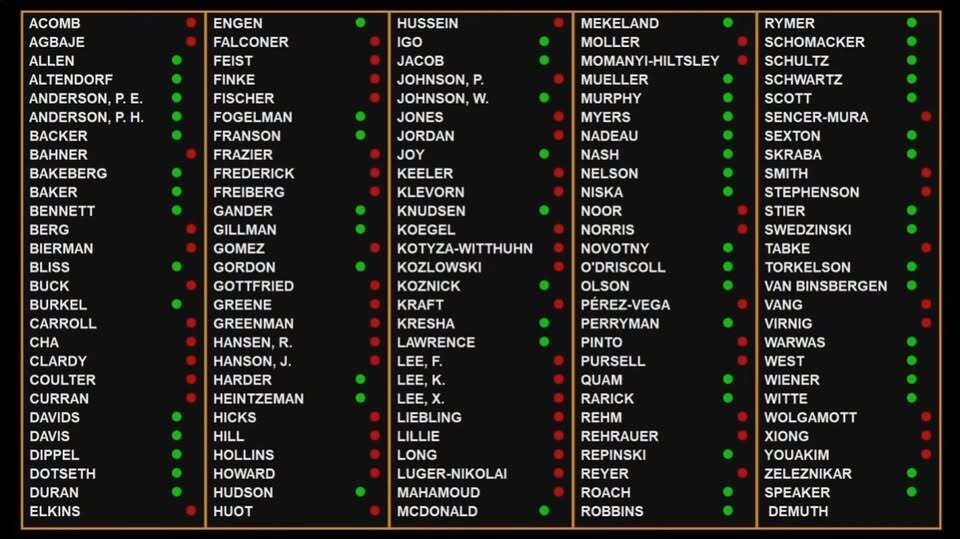
This week on the House floor, Republicans offered the Fraud Isn’t Free Act as an amendment to a larger bill to put stronger guardrails in place and ensure there are real consequences when fraud is suspected. The proposal will require state agencies to act when red flags appear instead of letting problems sit, and it will hold employees accountable in cases of clear negligence or misconduct. These are basic expectations when it comes to protecting taxpayer dollars, especially after the repeated fraud cases we have seen across state programs in recent years. Unfortunately, House Democrats voted down the amendment, rejecting an opportunity to strengthen oversight and send a clear message that fraud will be taken seriously.
As we all know, fraud is not a victimless issue. Every dollar lost is a dollar that is not going to seniors, families, or core services that people rely on. It drives up costs, erodes trust in government, and makes it harder to deliver programs effectively. Minnesotans expect their government to act quickly and responsibly when problems are identified, not delay or look the other way. The Fraud Isn’t Free Act is a straightforward step toward better accountability and stronger safeguards, and while it did not pass this time, the need to address fraud and protect taxpayer dollars is not going away.
Other Progress on Fraud
HF 4425 is about making sure fraud does not go unpunished simply because time runs out, and it passed off the House floor on Monday. The bill extends the statute of limitations for key fraud crimes, including theft of public funds, from six years to ten years, giving investigators and prosecutors the time they actually need to build strong cases. As legislators, we do not investigate or prosecute these cases ourselves, but we do set the rules that determine whether law enforcement has the tools they need to do their job. Right now, the clock can run out before a case is fully built, especially in complex fraud schemes that take years to uncover. This bill helps fix that gap by giving prosecutors a fair window to follow the evidence and hold bad actors accountable. It is a practical step in the right direction to strengthen enforcement, protect taxpayer dollars, and make it clear that if you steal from the public, you will not be able to escape consequences just by waiting it out.
Another bill we are working on to improve fraud accountability is HF4950, the “Take It Back Act.” This proposal is moving through the process and could be taken up on the House floor later this session. It focuses on making sure the state can fully recover taxpayer dollars that were stolen through fraud. Stopping fraud is only part of the job. We also need to make sure that money is returned. This bill would create a 100% tax on funds obtained through fraud for individuals or organizations that have been convicted, on top of any restitution already ordered by the courts. The idea is simple: if you steal from taxpayers, you should not be able to keep any of it. As legislators, we are not the ones prosecuting these cases, but we can put stronger tools in place to support accountability and recovery. I will continue to keep you updated as this bill and others move forward toward the end of session.
|