Dear Friends and Neighbors,
It was another busy week at the Capitol as I have been working hard on several key priorities. I’ve been focused on advancing legislation related to housing, strengthening school funding, supporting local bonding projects, and addressing Minnesota’s nuclear energy moratorium.
While these issues span different areas, they are all tied to the same goal: Making practical, forward-looking improvements that benefit our communities and set our state up for long-term success. Whether it’s expanding housing opportunities, ensuring schools have the resources they need, investing in local infrastructure, or having honest conversations about our energy future, each piece of work matters.
I remain committed to staying engaged on these issues and delivering results that make a real difference for our communities.
The Starter Home Act
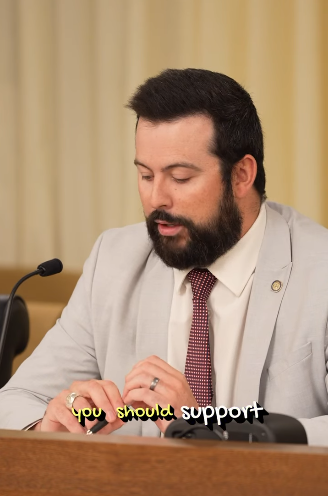
As Co-Chair of the Housing Committee, I am proud to share about the hard work I’ve been doing on the Starter Home Act, HF3895. This bill is aimed at increasing the supply of attainable, entry-level homes so more Minnesotans, especially young families and first-time buyers, have a real path to owning a home. By reducing barriers to development and encouraging the construction of more affordable homes, we can take a practical step toward addressing our state’s housing shortage. This is about creating more opportunities for people to put down roots, build equity, and stay in the communities they call home.
Increasing Funding for Schools: A Constitutional Amendment
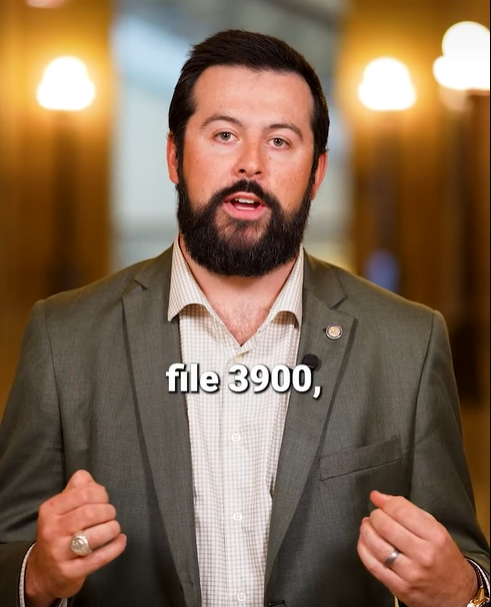
I’m also working to advance HF 3900, which would increase payments to schools from Minnesota’s Permanent School Fund by asking voters to approve a constitutional amendment. The Permanent School Fund is a long-standing investment account that generates earnings from school trust lands and other assets, with those earnings distributed to schools each year while the principal remains protected for future generations. This proposal would allow a greater portion of those annual earnings to be distributed, putting more resources directly into classrooms without raising taxes.
Funding would continue to be allocated on a per-pupil basis, ensuring every district benefits fairly while giving local school leaders the flexibility to prioritize their most pressing needs without new state mandates. This is especially important as schools continue to manage rising costs and the impact of recently implemented requirements. If approved by the Legislature and voters, these increased payments would begin in Fiscal Year 2028, providing a stable, ongoing boost to school funding while maintaining the long-term strength of the fund.
Committee Hearing for Hibbing Bonding Project
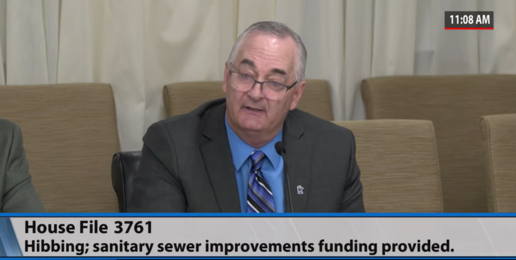
Specifically for the district, I’m working on HF 3761, which supports an important local project in Hibbing aimed at strengthening infrastructure and supporting long-term community growth. I want to thank Mayor Pete Hyduke for coming to the Capitol to testify before the Capital Investment Committee and speak directly to the need for this project. His leadership and firsthand perspective helped highlight why this investment matters, not just for Hibbing, but for the broader region. Projects like this are about making sure our communities have the infrastructure they need to stay strong, competitive, and positioned for the future.
Speaking about the Nuclear Moratorium
I was honored to speak in the Capitol Rotunda this week for Nuclear Energy Education Day on the Hill as the lead author on nuclear legislation in the House. I’m grateful to the advocates, industry leaders, and educators who came to St. Paul to share their knowledge and highlight the important role nuclear energy can play in Minnesota’s future. These conversations are critical as we look for reliable, affordable, and carbon-free energy sources to meet growing demand.
Hearing HF3951 in the Housing Committee
Additionally, I had the opportunity to present HF 3951 in the Housing Committee this week, a bill focused on bringing more clarity and fairness to how tenants are billed and pay rent. This legislation addresses real issues renters face, including situations where tenants move out before a final utility bill is available. Under current law, that process can be unclear, but HF 3951 allows for a reasonable, prorated estimate so tenants aren’t left in limbo. The bill also ensures that if landlords require digital payment systems, tenants must have a working alternative option and cannot be penalized if those systems fail.
This is about making sure the system works better for both tenants and landlords by setting clear expectations, improving transparency, and preventing unnecessary disputes. It’s a practical step toward strengthening protections while keeping things fair and workable for everyone involved.
|