Legislative Update
 Dear neighbors,
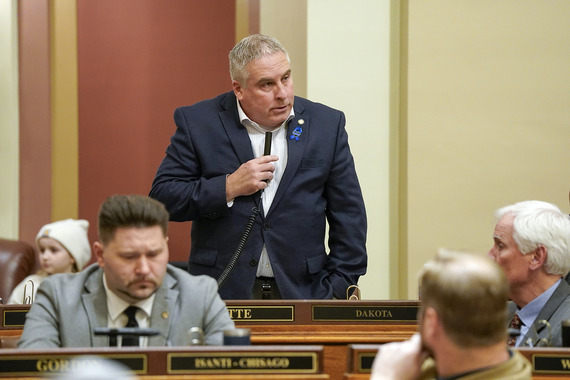
It may have been a winter wonderland outside the Capitol this week, but inside, we were hard at work keeping things moving—including a hearing on my bill, House File 3816, in the House Taxes Committee.
HF 3816 is all about keeping Minnesota’s tax code in step with federal law, specifically when it comes to how businesses can deduct research and development (R&D) costs. Right now, federal law allows businesses to fully deduct domestic research expenditures upfront, which helps encourage innovation, investment, and job creation here at home.
This bill simply brings Minnesota into alignment with those federal changes, ensuring that businesses operating in our state aren’t put at a disadvantage. It’s a practical, pro-growth update that supports the kind of forward-thinking investment we want to see more of in Minnesota’s economy.
Even better, these changes would apply retroactively to match federal timing, providing clarity and consistency for taxpayers.
A Critical Fix for Minnesota’s Tax Code
Also on the tax front this week, the House held an urgency to pass House File 3127 carried by Rep. Greg Davids (R–Preston)—a bill I’m proud to be a co-author on—that re-enacts the Minnesota pass-through entity (PTE) tax. This is a critical piece of tax policy that directly impacts thousands of small businesses across our state.
Put simply, the PTE tax allows these businesses to pay taxes at the entity level—helping owners avoid federal limitations on state and local tax deductions. Without this policy in place, many Minnesota small business owners would see higher federal tax burdens through no fault of their own.
At the same time, it was disappointing to see another PTE-related bill blocked—one that would have aligned Minnesota with new federal policy while providing meaningful tax relief. And here’s the kicker: it comes at no cost to the state.
This relief would total $2.05 billion for roughly 66,000 Minnesota small business owners—dollars that could be reinvested into local businesses, employees, and communities.
If we don’t act soon, those dollars won’t stay here—they’ll go straight to the federal government instead of supporting growth and opportunity right here in Minnesota.
Let Minnesotans Keep What They Earn: No Tax on Tips & Overtime
The last tax issue I want to highlight is one that gets right to the heart of fairness: no tax on tips, no tax on overtime, and no tax on seniors’ Social Security.
If you earned overtime pay or tips in 2025, you may have already seen some relief on your federal tax return. Under federal law, certain qualified overtime and tip income can now be deducted. But here’s the problem—Minnesota doesn’t currently match that treatment, meaning income excluded federally can still be taxed at the state level.
That is what House File 3524 and House File 3525 are designed to fix.
These bills would align Minnesota with federal law by allowing deductions for qualified tip income and overtime pay—retroactive to 2024—so workers can keep more of what they’ve earned and avoid unnecessary headaches come tax season.
At the end of the day, this is pretty straightforward. Minnesotans are already generous—supporting their communities, their neighbors, and the taxes that fund our state. If someone is picking up extra shifts, staying late, or earning tips to make ends meet, St. Paul doesn’t need to take a cut of that extra effort.
While not everyone across the aisle is on board just yet, these proposals remain top priorities for our caucus and will be key pieces of the conversation as end-of-session negotiations ramp up.
If we’re serious about affordability, this is exactly the kind of common-sense policy that should cross the finish line. Both bills received a hearing this week and were laid over for possible inclusion in the final tax omnibus bill, so the conversation is far from over.
The Hidden Cost in Your Shopping Cart
When we talk about affordability at the Capitol, we usually point to the usual suspects—gas prices, property taxes, heating bills…
But there’s another factor quietly driving up costs for Minnesotans, and it’s not getting nearly enough attention: organized retail and supply chain crime.
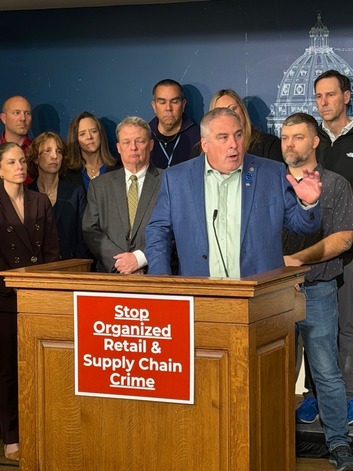
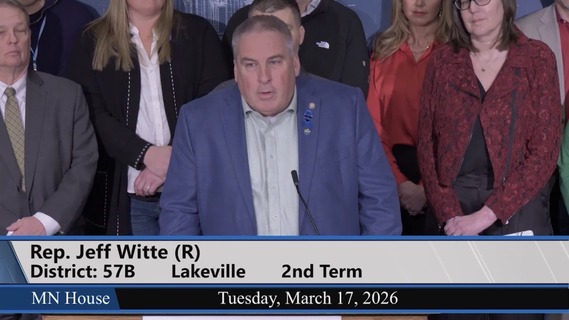
This week, I joined colleagues from both sides of the aisle— Senate Republicans, Senate Democrats, and several House DFL members—for a press conference on House File 2879. And let me tell you, in a closely divided legislature where we don’t always agree on much, seeing that kind of bipartisan support speaks volumes.
Because this issue? It’s real, it’s growing, and it’s hitting Minnesotans right in the wallet.
House File 2879 lays out a practical, proven path forward by creating a coordinated, statewide approach to tackling these crimes—bringing the right partners to the table, focusing resources where they’re needed most, and going after the organized criminal networks behind it all.
And we’re not alone in this fight. This effort is backed by a strong coalition of organizations across Minnesota, including the Minnesota Retailers Association, Minnesota Chamber of Commerce, Minnesota Grocers Association, Minnesota Trucking Association, and many others who see firsthand the impact this has on businesses, workers, and consumers every single day.
Because at the end of the day, this isn’t just about theft—it’s about protecting our communities, standing up for the people who keep Minnesota running, and making sure when you walk into a store, you’re not paying the price for someone else’s crime.
You can watch my opening remarks from the press conference by clicking the photo below.
A Week of Great Visits at the Capitol
Tax Talk with the Pros
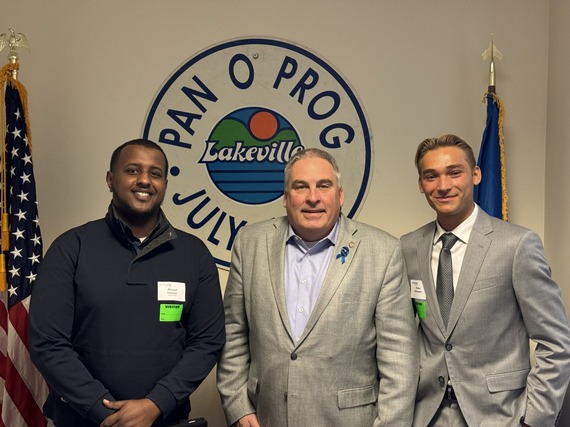
It was great to sit down with two Lakeville constituents this week—both Certified Public Accountants (CPAs)—to talk all things taxes, reforms, and what they’re seeing firsthand with their clients.
And if there’s anyone who truly understands how policy decisions play out in real life… it’s your CPA.
We had a productive conversation about ways to provide meaningful tax relief, including improving pass-through entity structures and working toward better tax conformity with the federal government—especially when it comes to eliminating taxes on tips, overtime, and Social Security benefits.
These aren’t just abstract policy ideas—they directly impact working families, small business owners, and retirees across our community.
I always appreciate hearing from professionals who are on the front lines, helping Minnesotans navigate the system every day. Their insight helps ensure we’re not just talking about tax policy—we’re getting it right.
Keeping Everyday Essentials Affordable
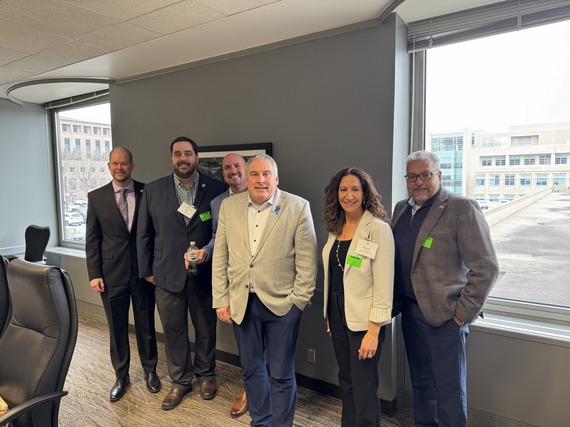 Last week, I had a great group from PepsiCo at the Capitol—including three constituents from Lakeville—advocating for their legislative priorities during Minnesota Beverage Association Day.
We had a productive conversation about House File 3322, a proposal that would add a $0.10 excise tax on every plastic beverage bottle. As they shared, this raises serious concerns about affordability, fairness, and the impact on Minnesota families and workers.
This proposal would layer a new tax on top of existing sales taxes, essentially doubling up on everyday beverages. In some cases, like bottled water, it could mean a significant price increase on a basic necessity many rely on, especially in communities dealing with water quality issues.
We also talked about the broader impact on consumers already facing rising costs, as well as the potential effects on local jobs and Minnesota-based production.
I’m always grateful for the opportunity to hear directly from industry leaders, these conversations are an essential part of making sure policies account for the real-world impacts.
Future Leaders (and Maybe a Few Future Lawmakers!)
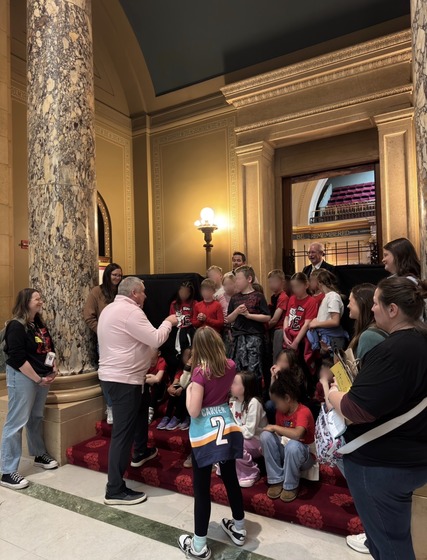
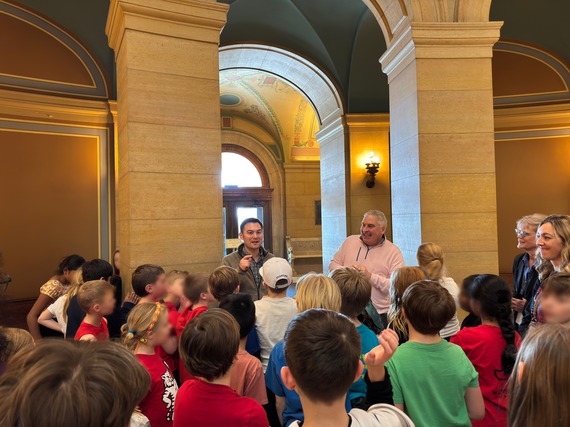 Friday afternoon, I had the chance to team up with Senator Zach Duckworth to welcome third graders from Eastview Elementary to the Capitol—and what a fun group!
They were curious, full of great questions, and incredibly bright. At one point, they even asked me to carry a bill to ban homework… I told them I might need a little more support on that one!
I’m always grateful for opportunities like this to connect with the next generation and get them excited about how the legislative process works.
If Friday was any indication, the future of Lakeville is in very good hands!
Your Mailbox Called… It Has Opinions
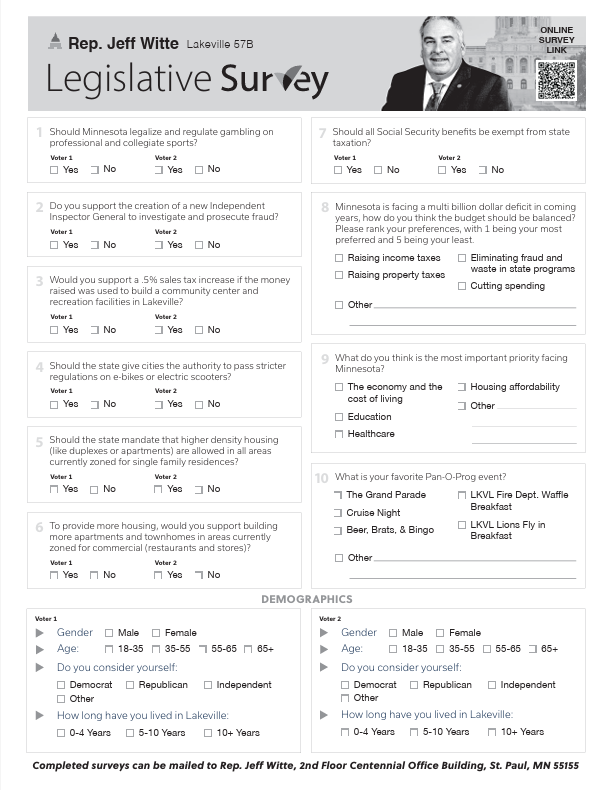
You may have noticed a little something extra in your mailbox last week—a survey that (hopefully) didn’t get mistaken for just another stack of flyers!
While nothing beats the conversations I get to have with you out in the community (truly the best part of the job), this survey is another great way for me to hear directly from you about how we can make Lakeville an even better place to live, work, and raise a family.
It’s also sprinkled with a few fun questions—because let’s be honest, we can’t talk about Lakeville without addressing the real issues… like Question #10.
Now, I would never try to influence your answers… but I will say, completely off the record… the Grande Parade has always seemed like the obvious champion in my book (I said what I said.)
If it got lost in the shuffle of mail, no worries—you can still fill it out online [here]. I’d truly love to hear your thoughts!
Until next time,
— Representative Jeff Witte
|