|
When we talk about rising costs for families, we often think about inflation, supply chains, or fuel prices. But there’s another major factor quietly driving up prices at the checkout counter: organized retail theft.
Retail theft today isn’t the old-fashioned shoplifting many of us picture. Across the country—and here in Minnesota—organized groups are stealing truckloads of goods, hitting multiple retailers, and reselling those products online for profit. What we’re seeing now are sophisticated criminal operations that target high-value goods and move them quickly through online marketplaces.
The impact is far-reaching. Grocers, retailers, trucking companies, railroads, and automobile dealers across Minnesota have all experienced significant losses due to these organized theft rings. And when businesses lose millions to theft, those costs don’t magically disappear—they show up as higher grocery bills, higher retail prices, and higher costs for everyday Minnesotans.
Unfortunately, instead of focusing on these real criminal enterprises, some Democrats have attempted to shift the conversation—a move many see as an effort to distract Minnesotans from the more than $9 billion in fraud that has occurred in state programs under the Walz administration's watch.
That’s why I was proud to stand with my colleagues in support of House File 2879, legislation designed to help Minnesota take a more coordinated and effective approach to combating organized retail and supply chain crime.
HF 2879 would establish an Organized Retail and Supply Chain Crime Advisory Board within the Minnesota Department of Public Safety. The board would bring together law enforcement, industry leaders, and state agencies to coordinate efforts, share information, and target the criminal networks responsible for these theft operations.
On Wednesday, we heard testimony in the House Public Safety Committee from representatives of the retail, trucking, and automobile industries who have seen firsthand how organized theft is impacting their businesses and employees.
The reality is simple: organized retail crime is evolving, and Minnesota’s response must evolve with it. Creating a coordinated, statewide strategy helps ensure the right partners are working together to stop these criminal enterprises.
At the end of the day, this bill is about protecting Minnesota communities, supporting the workers and businesses that keep our economy running, and ensuring consumers can rely on a safe and stable marketplace. And it shouldn’t be controversial to say something Minnesotans already know to be true: stealing is wrong.
Asking Questions Is Now “Inconvenient”?
 Democrats have really been on a roll this week—and not exactly in a way that inspires confidence.
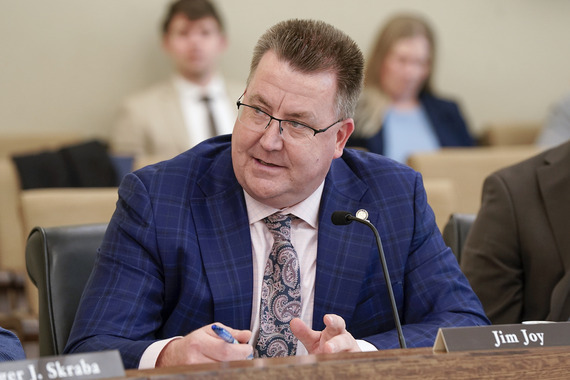
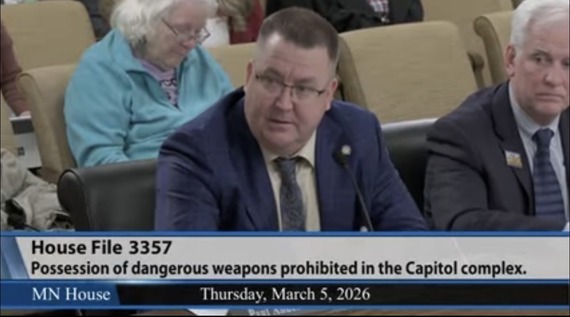
Earlier this week during a State Government Committee hearing, I attempted to ask a few very basic questions about a $500,000 spending proposal. You would think that when half a million taxpayer dollars are on the table, asking questions might be… I don’t know… encouraged?
Apparently not.
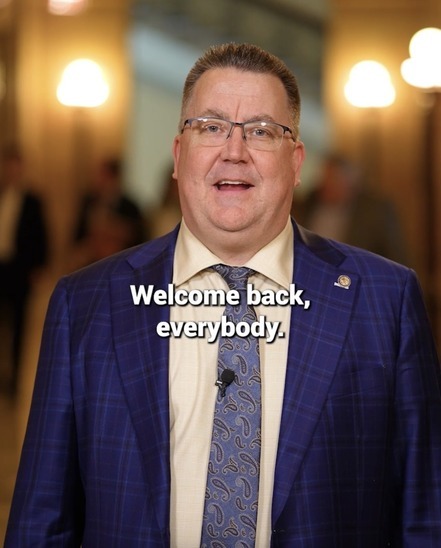
Instead of getting answers, my questioning was abruptly shut down by Representative Ginny Klevorn (DFL–Plymouth). If you click the photo above, you can watch the exchange for yourself.
Now here’s the part that really gets me.
I didn’t run for office to sit quietly in a committee room while spending proposals sail through without scrutiny. I was sent to St. Paul by the people of my district to ask tough questions, demand transparency, and make sure taxpayer dollars are being spent responsibly.
So yes—I take moments like this personally. Because when a legislator is cut off from asking questions, it’s not just that legislator being silenced. It’s the thousands of Minnesotans they represent whose voices are being pushed aside.
And frankly, this attitude is exactly how Minnesota ended up with the fraud mess we’re dealing with today. When oversight is treated like an annoyance and questions are brushed aside, it creates the perfect environment for waste, abuse, and bad decisions to flourish.
Minnesotans deserve leaders who welcome accountability—not ones who get uncomfortable the moment someone asks where the money is going.
Because here’s a simple rule most folks back home understand pretty well:
If you’re spending someone else’s money, you should probably be ready to answer a few questions about it!
|