|
Dear Friends and Neighbors,
It has been a whirlwind week at the Capitol. While we remain committed to addressing fraud, Democrats have continued to play games and avoid making real progress. I am pleased to share that I was recently elected by my GOP colleagues to serve as an Assistant Republican Leader within our caucus! I am honored to hold this leadership position, and I look forward to helping shape our priorities and strategy. I appreciate the opportunity to share some updates with you here, thank you for reading!
An Update on the OIG Bill
Last week, I shared an update on the importance of establishing an Independent Office of the Inspector General (OIG), which would be created through SF856. This proposal is a key step toward strengthening oversight, improving accountability, and preventing the kind of fraud that has cost Minnesota taxpayers billions of dollars in recent years. After being heard in the House State Government Committee last week, Democrats blocked the bill from moving forward and effectively held it hostage, despite strong support from both sides of the aisle in the Senate.
This week, the committee agenda was under the direction of Co-Chair Jim Nash, who made the decision to bring SF856 forward once again to allow members another opportunity to fully consider the proposal. Co-Chair Nash ensured that the process was thorough and transparent, providing ample time for discussion and debate from members on both sides of the aisle. Committee members reviewed the bill in detail and considered numerous amendments, allowing concerns and perspectives to be openly addressed during the hearing.
After the discussion, the committee proceeded to a vote. Despite the opportunity for bipartisan dialogue and refinement of the legislation, Democrat members once again voted against advancing the bill. They have now voted it down under both GOP and DFL committee leadership, and continue to hold the bill hostage in the State Gov. Committee.
The good news is that the bipartisan, bicameral working group for the bill is beginning to meet again early next week. I am hopeful that this working group can settle whatever political differences there are on this legislation so that we can continue to advance the bill and make meaningful reform for Minnesotans.
What's In the Optum Report: An Audit You Can’t Read
I briefly mentioned this last week, but a recent audit of the Department of Human Services was conducted by Optum, an independent third-party auditing firm, to evaluate internal processes and identify areas of concern. The purpose of bringing in an outside auditor was to provide an objective review of DHS operations, highlight vulnerabilities, and recommend steps to strengthen oversight and accountability moving forward. According to available summaries, Optum compiled a report outlining key weaknesses within the system along with recommended actions for remediation and improvement. Given the seriousness of ongoing concerns surrounding fraud and program oversight, I was hopeful to receive my copy of the report and carefully review its findings. I opened my copy of the report to see this:
 As you can see, much of the information had been heavily redacted.
In fact, a substantial portion of the report is blacked out, leaving lawmakers and the public unable to fully understand what Optum identified or how significant the underlying issues may be. Without access to the details, it becomes difficult to evaluate the scope of the problems, assess whether corrective actions are adequate, or determine what legislative changes may be necessary to prevent future failures.
Transparency is essential when addressing issues involving taxpayer dollars and public trust. If an independent audit identifies weaknesses within a major state agency, policymakers must be able to review those findings in order to do their jobs effectively. Redacting the majority of the report limits accountability and raises more questions than it answers.
Minnesotans deserve clarity about how their government operates and how public funds are protected. Moving forward, I will continue pushing for greater transparency so legislators can fully understand the challenges identified, work toward responsible solutions, and ensure that meaningful reforms are based on complete and accurate information rather than partial disclosures. In Human Services Committee on Wednesday, we passed legislation that mandates the Department of Human Services releases this report's findings...less proprietary information.
Freedom Under Fire: An Attack on the Second Amendment
While our focus this session should be on stopping fraud and restoring accountability in state government, the DFL instead introduced legislation this week to ban certain semi-automatic firearms and magazines holding more than ten rounds. These proposals raise serious constitutional concerns and distract from the urgent issues Minnesotans expect us to address.
Rather than advancing solutions to combat fraud, lower costs, or support families and seniors, valuable legislative time was spent on proposals that face serious legal challenges and have little realistic path to becoming law. Even more concerning, these measures would criminalize law-abiding citizens overnight for owning firearms and equipment that are currently legal. My colleagues and I will continue standing firmly against these radical gun control proposals, while focusing on meaningful solutions that actually improve public safety. That includes advancing comprehensive school safety legislation that strengthens mental health support, improves coordination with law enforcement, and provides schools with the resources they need to implement effective safety measures.
New Farmers Grant Availability
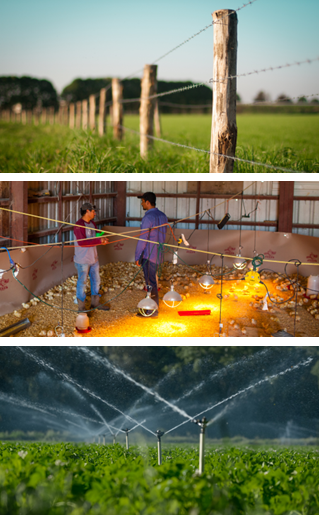
The Minnesota Department of Agriculture is currently accepting applications for its Beginning Farmer Equipment and Infrastructure Grant, a program designed to help new farmers build sustainable operations and strengthen the future of agriculture across the state. The grant supports farmers who have been operating for ten years or less by helping cover the cost of essential agricultural equipment and infrastructure investments such as irrigation systems, fencing, storage facilities, and livestock or crop production structures. For the 2026–2027 funding cycle, approximately $700,000 will be awarded through a competitive process, with individual grants ranging from $1,000 to $10,000. |
|
 |
By reducing startup costs and improving access to critical tools, the program aims to lower barriers for new producers and encourage the next generation of Minnesota farmers to grow and succeed.
|