LEGISLATION HIGHLIGHTS
FILING MUCH-NEED LEGISLATION RESTORING SNAP INTEGRITY
This week, I unveiled legislation sponsoring legislation aimed at restoring integrity in Minnesota’s administration of the Supplemental Nutrition Assistance Program (SNAP) at a Capitol press conference.
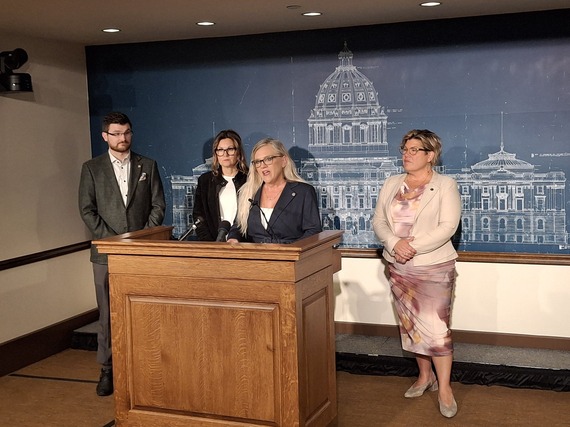
The “Stop Welfare for the Wealthy” Act will ensure those with substantial resources, in some cases even millionaires, can no longer access SNAP (food stamps) prospectively by closing an automatic eligibility loophole that waives traditional financial eligibility tests.
As seen in recent months, Minnesota is incapable of responsibly administering social services programs, including SNAP. Minnesota has allowed SNAP, a critical safety net that should be reserved for those truly in need, to be abused by those with resources.
One reason for SNAP’s growth nationally is that 44 states, including Minnesota, have adopted Broad Based Categorial Eligibility (BBCE). This allows automatic SNAP eligibility for those receiving, or are eligible to receive, non-cash benefits from less substantial welfare programs. Through BBCE, states waive SNAP’s traditional asset tests and adopt higher income limits, which can result in greater enrollment and erroneous payments. My bill closes the BBCE loophole in Minnesota.
Since fiscal year (FY) 2013, Minnesota’s improper payments to SNAP beneficiaries have increased 120%. FY 2013’s state payment error rate was 4.1% and has since ballooned to 9% in the most recent fiscal year (2024). Nationwide, since 2019, SNAP has grown from serving nearly 36 million recipients monthly to nearly 42 million and from costing taxpayers $60 billion annually to nearly $100 billion annually. Improper payments in Minnesota translate to $77 million in taxpayer-funded SNAP benefits annually.
The “Stop Welfare for the Wealthy” Act will help Minnesota better adapt to provisions included in the enacted One Big Beautiful Bill Act which requires states to begin paying a portion of SNAP benefits (which are currently 100% federally funded) if their payment error rates are 6% or greater, starting in 2027 (FY 2028).
With one in thirteen Minnesotans having received SNAP last year, and error rates well above the 6% threshold, passage of this bill will help put Minnesota on solid footing before these critical national-level reforms take effect. According to USDA, 800,000 ineligible recipients have been moved off the program since January of 2025.
ELECTION INTEGRITY UPDATE
In my last update, I shared information about how Hennepin County has nearly 8,000 challenged voters on its voter rolls, even though Minnesota Secretary of State Steve Simon insists everything is in tip-top shape. This story has received little to no news coverage locally, and after my SNAP press conference yesterday I was asked to address the Hennepin County problem. You can watch that exchange here.
Regardless of what anyone says about the Hennepin County voter rolls, the issue is this: These “challenged” voters have been sitting on their voter rolls for at least 16 months. Early voting starts in a few months.
Why are these people still sitting there labeled as challenged? Can they vote or not? Why hasn’t this mess been cleaned up after nearly a year and a half? If the SOS office can’t or won’t do its job to clean up the voter rolls, let’s get help from the feds. This is unacceptable!
|