 Dear Neighbors,
As we enter the final stretch of the 2026 Legislative Session, the Capitol is fully in motion — shifting into long floor debates, late-night negotiations, and a focused push toward bipartisan agreements in a tied House. Most committees have now wrapped up their work for the year, and attention has turned to the House floor as bills move through final debate and votes. One important exception is the Taxes Committee, which continues its work beyond typical deadlines due to its responsibility for Minnesota’s overall fiscal picture. Last week alone, the committee heard more than 20 bills — from proposals like a wealth tax to local option sales taxes — reflecting ongoing conversations about how we fund the services Minnesotans rely on.
In a tied legislature, progress can feel slower, but it is steady and intentional. Every bill that reaches the floor has already demonstrated meaningful bipartisan support, ensuring that what moves forward is shaped through real negotiation. At this stage, the focus is on solutions that can deliver real results for Minnesotans — including families, workers, and seniors in Duluth and across our state.
Several major priorities are emerging with bipartisan momentum, including protecting our statewide safety-net hospital at Hennepin County Medical Center, advancing a bonding bill, and strengthening accountability measures to prevent fraud and protect public resources. Even in a divided House, we are continuing to move important work forward — fighting to keep people housed, lower costs, strengthen public services, and deliver meaningful investments for communities across Minnesota.
Passing Bills off the House Floor
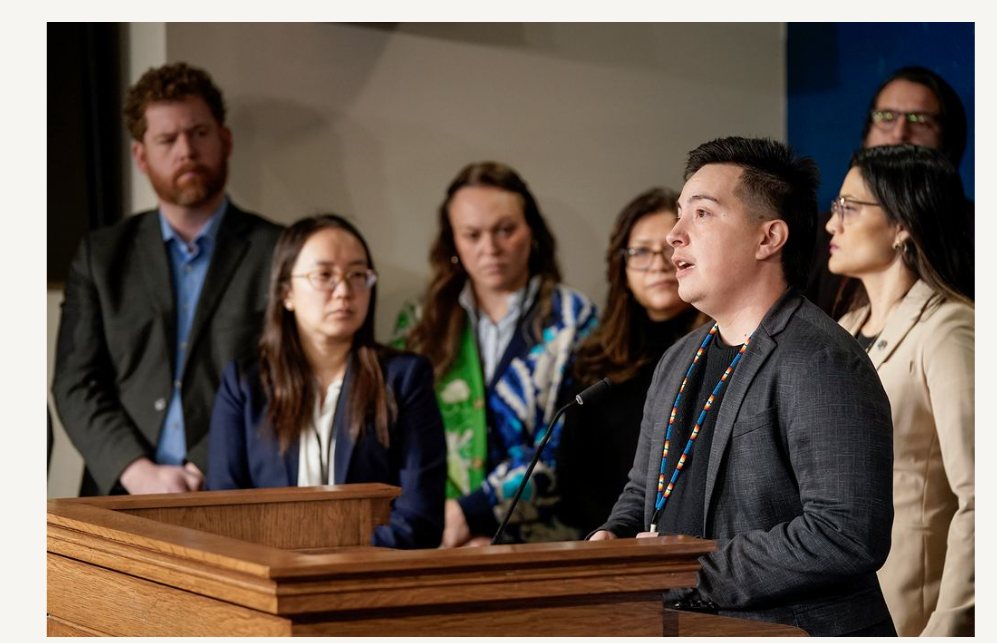
Recently, we passed broadly bipartisan legislation that toughens penalties for impersonating a police officer, bans nudification technology, and strengthens the ability of agencies to stop payments to program participants when fraud is suspected.
Working together, progress continued with the passage of bills regulating HOAs. A quarter of Minnesotans live in HOAs, a number that’s certain to grow with 82% of new homes being part of an HOA. The package of policies we passed provides transparency, best practices and strong consumer protections with HOAs. We also passed a bill banning predictive market wagering, and unanimously passed a tenant-landlord relations bill.
I also co-authored a bipartisan constitutional amendment proposal to strengthen school funding through the state’s School Land Trust Fund — without raising individual or property taxes. This measure passed the House unanimously (133–0), underscoring strong agreement on the need to provide more stable, long-term support for Minnesota schools, and may be considered by voters this fall. You can read more about the proposal here.
Taken together, these bills reflect steady, practical progress built on bipartisan cooperation with more to come in the final days ahead.
Housing Finance & Policy
On Monday, we stayed on the House floor until 10:00 p.m. and passed more than a dozen bills, including our bipartisan supplemental housing finance and policy bill. HF 1141 invests in building more homes to rent and own, accelerates and preserves affordable homes, spurs new union jobs, and strengthens workforce housing—especially across Greater Minnesota. I’m proud it features investments I’ve championed, such as $40 million for family homelessness prevention (FHPAP) to keep people stably housed, and targeted investments like HECAT to expand pathways to homeownership for more first-generation buyers.
By working closely at the negotiation table, and centering our communities in every decision, we passed our budget-neutral bill with overwhelming bipartisan support, 99–34.
This is a strong bill and a big step forward—but we’re not done. The bill now heads to the Senate, then conference committee (which we started today), and back to the House floor for final passage. Let’s get it done, together.
The Work That Remains
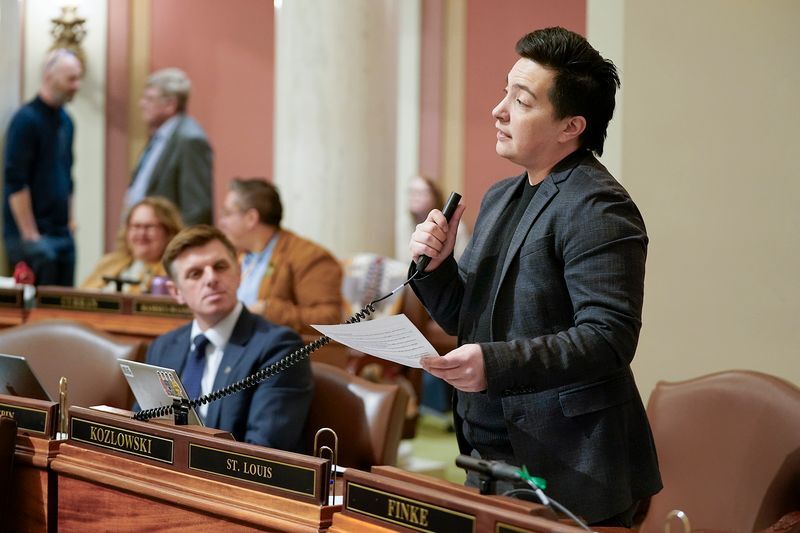
With my conference committee and bill wrapped up, much of my efforts will be focused on finishing our Housing and Homelessness Prevention Bill, the Workforce, Labor & Economic Development Bill, and the Taxes Bill. I serve on these committees and am helping to shape the final outcomes. Additionally, I’m laser focused on passing legislation I’m leading such as in a Bonding Bill for our state and regional projects, Human Services for supports to end homelessness, Education for the resources and equity - our schools, families, and studies deserve & more.
Taxes Committee
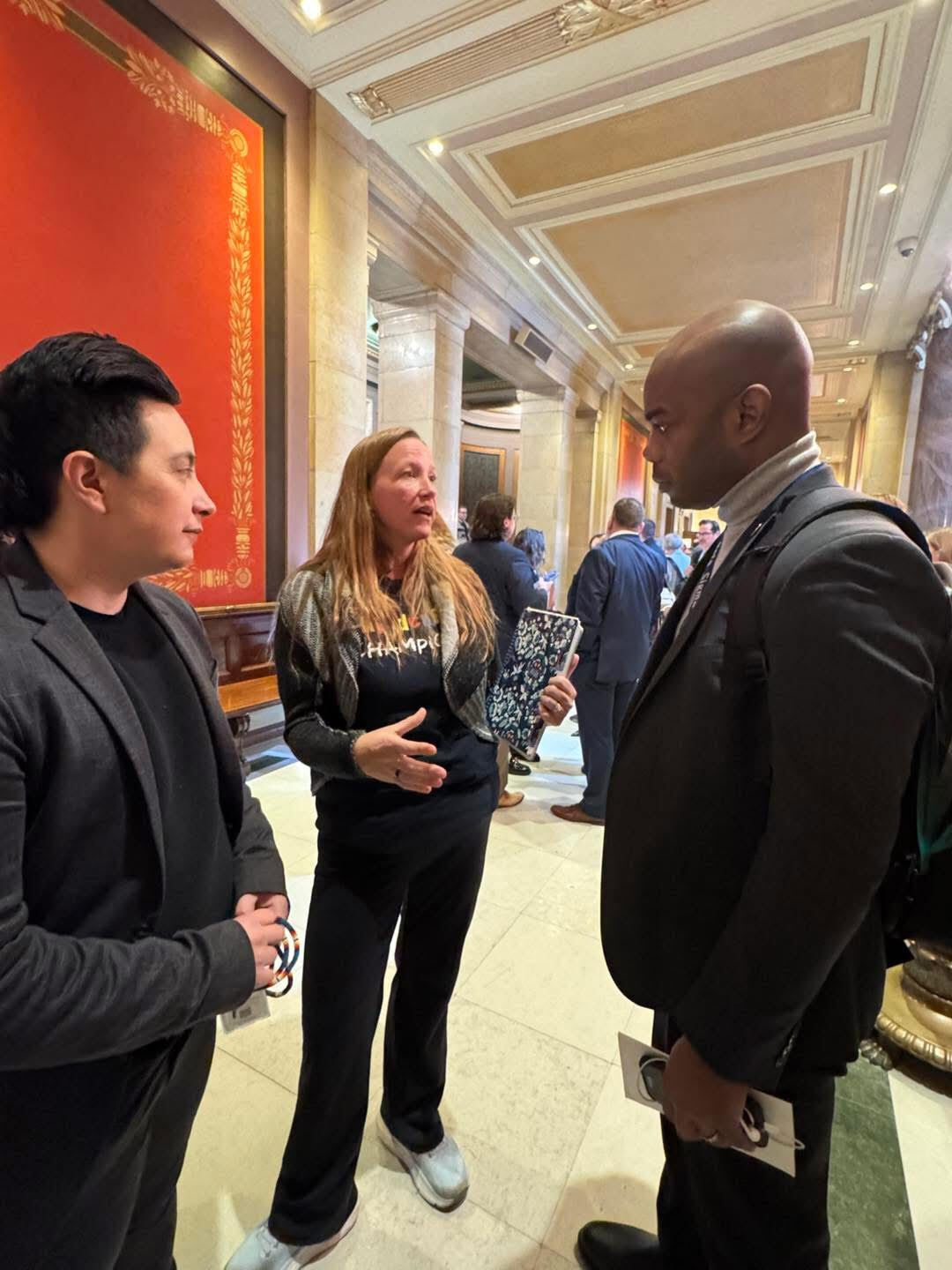
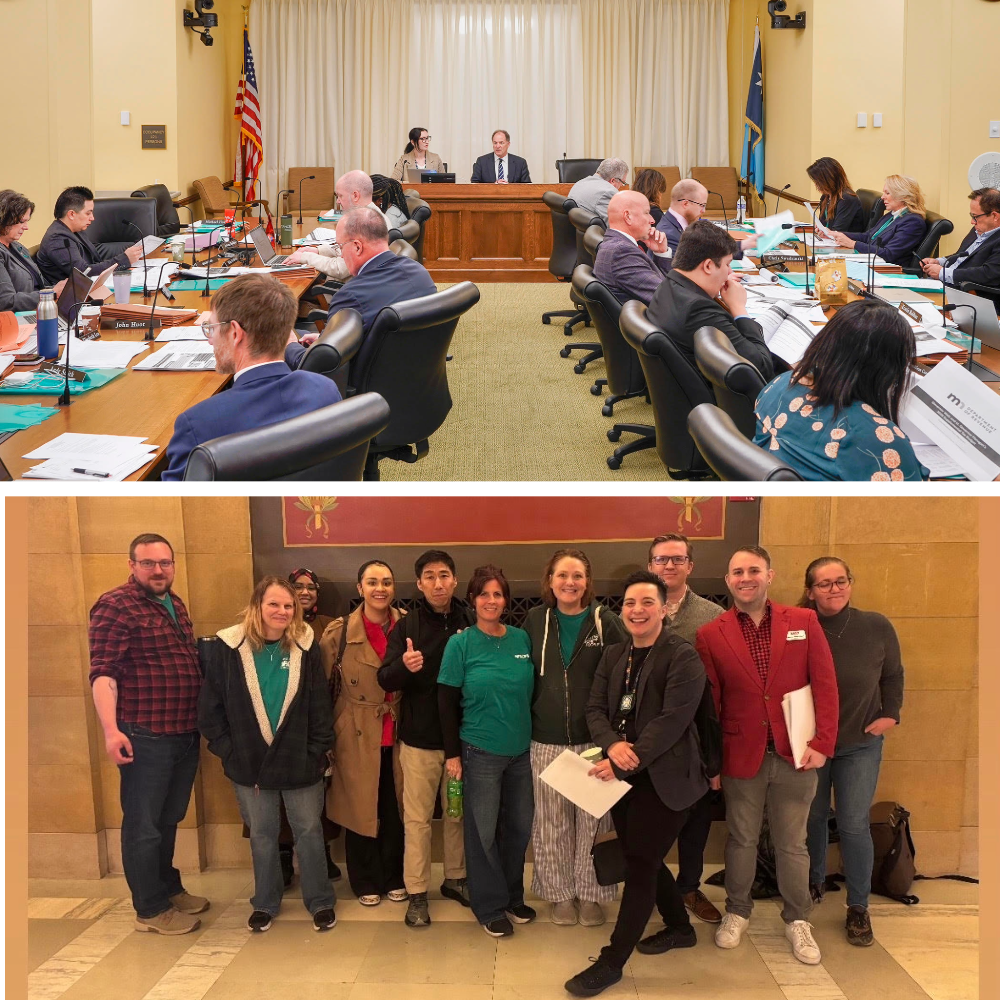
Last week in the House Ways and Means Committee, we spent a full day hearing over 30 bills—from proposals like a wealth tax and local option sales taxes to the Governor’s budget and other key fiscal measures.
Hennepin County Medical Center, our number one trauma center serving our entire state, is in jeopardy of closing due to President Trump and Congress’ Medicaid cuts, causing uncompensated care to skyrocket. As the state’s safety-net hospital, HCMC is required to treat every patient (including those who come from Duluth and greater Minnesota) who comes through its doors—regardless of ability to pay—placing increasing pressure on stretched systems. These are not abstract budget pressures—they are real strains on capacity, staffing, and patient access across our state. And they demand a state-level response rooted in urgency and bipartisan resolve.
The scope of those discussions reflects the scale of the choices in front of us, and the responsibility we share to meet this moment with systems of care designed by and for working-class people.
Bonding Bill
Another major priority in these final weeks is passing a strong Capital Investment, known as a “bonding bill”, because it’s funded by the sale of state bonds. I’ve served on the Bonding Committee in previous years, and I know how important these bills are as one of the most important tools we have to build infrastructure, create good-paying union jobs, and equitably invest in communities across Minnesota.
Even if the House wasn’t tied, work on the Capital Investment Bill is almost always a bipartisan exercise, as it requires a super majority to be passed into law (in the House this is 90 votes). That’s why I’ve been working closely with leaders and colleagues across the aisle to deliver the investments our communities back home are counting on. Whether it’s in rural, metro, suburban, or Northern Minnesota— passing this bill would be good for our entire state.
The Duluth delegation is fighting hard to pass a robust, equity-centered bonding bill that replaces lead pipes, expands affordable housing infrastructure, modernizes public assets, drives climate-solutions, accelerates childcare, and strengthens communities in every corner of our state. Whether rural, metro, suburban, or northern Minnesota, these investments create jobs, improve quality of life, and build a stronger future for all of us.
Stay Connected
I want to hear from you and our neighbors. Please take my 2026 Constituent Survey. Approaching the end of the legislative session and looking into the future, as your State Representative, I value your feedback and input as we work to help Minnesotans have a better life. Your voice matters, and I appreciate you taking the time to share your perspective!
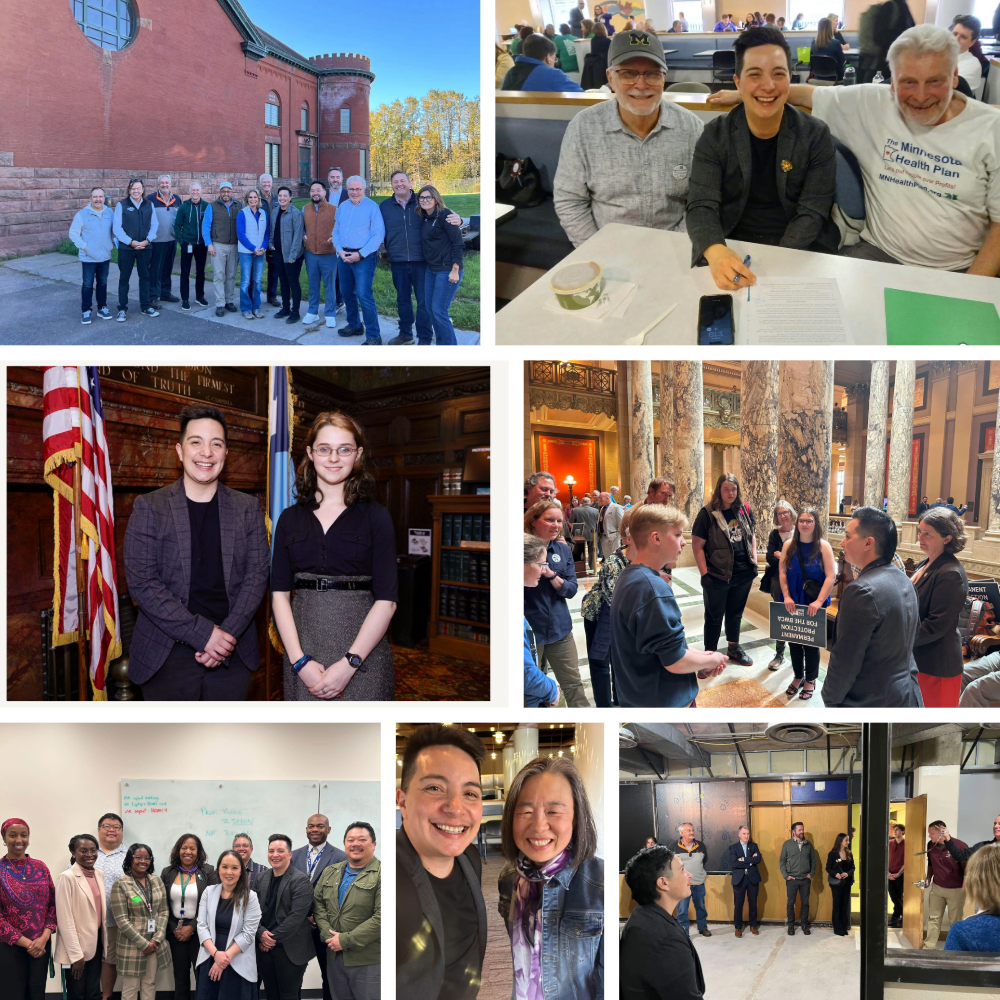
 With only a week left in the legislative session, now is a great time to touch base. Please reach out with any questions, comments, or ideas you have on how to make Duluth or Minnesota better. My work is at its best when it’s rooted in your needs.
It is an honor to represent our district at the Capitol. Please always feel free to contact me at 651-296-2228 or rep.liish.kozlowski@house.mn.gov.You’ll hear back from me or our Legislative Assistant, Alex. Don’t forget to follow along on my new Facebook page.
In community,
Rep. Liish Kozlowski
(They/Them), Pronouns
Two-Spirit, Niizh Manidoowag
Minnesota House of Representatives
|