|
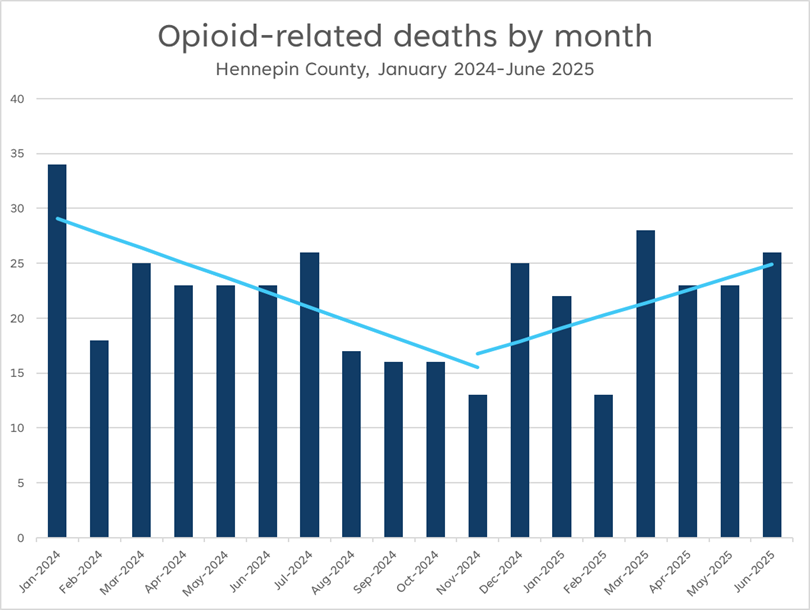
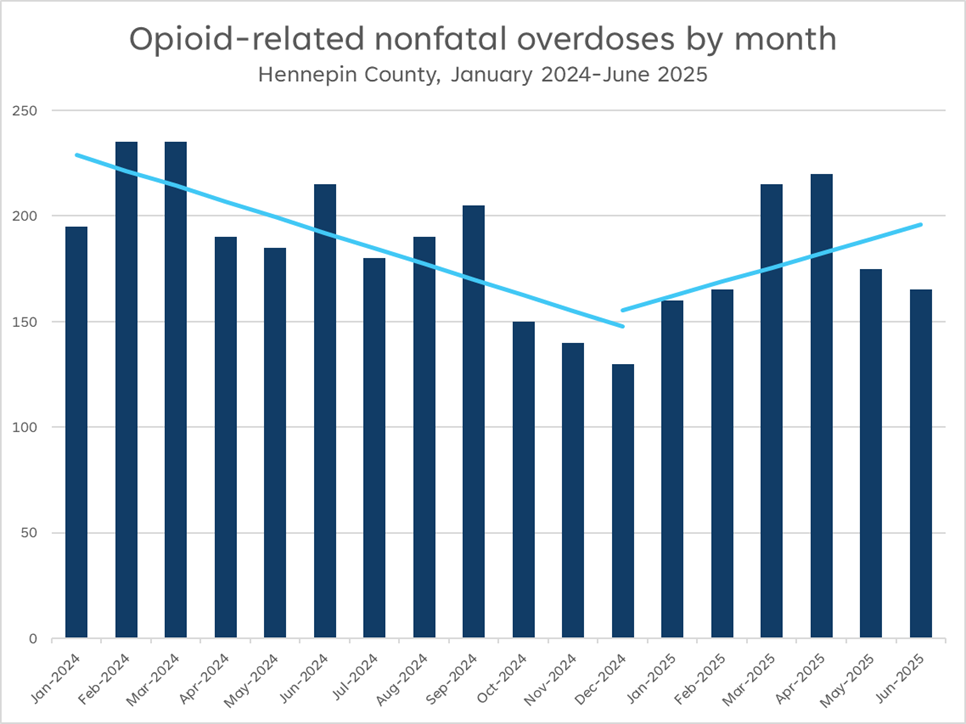
Opioid-related deaths and nonfatal overdoses were on a downward trend in 2024; however, both rates increased during the first half of 2025*. These trend reversals — which were also seen statewide — are an indicator for the continued need for opioid services and supports.
* 2025 data has not yet been published on our opioid data dashboards.
Death data
After Hennepin County opioid-related deaths* peaked in late 2022, we saw a downward trend in monthly death counts until late 2024. In 2025, monthly deaths increased through the first six months. Most deaths were Minneapolis residents (61%).
It is too soon to tell if the upward trend continued for the rest of 2025. We will share more information once we’ve received the death record data from the Minnesota Office of Vital Records.
* We use an expanded definition of opioid-related deaths, which includes deaths where opioids were involved, but where “drug overdose” was not the primary cause of death.
 The State of Minnesota experienced a similar upward trend in monthly fatal overdose deaths* from November 2024 to June 2025.
* Please note that Minnesota Department of Health data includes fatal overdoses from all drugs, not just opioids.
In 2024, Hennepin County saw a downward trend in monthly hospital visits for nonfatal overdoses. However, in January 2025, that trend reversed, and monthly hospital visits have increased through June 2025.
and medetomidine
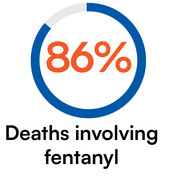
Fentanyl continues to drive the opioid crisis in Hennepin County and was involved in 86% of opioid-related deaths between January–June 2025.
Illicit fentanyl supplies are frequently mixed with non-opioid drugs, including sedatives. Recently, there have been increased detections of medetomidine, a sedative 100-200 times more potent than xylazine.
On April 2, the CDC released a health advisory on medetomidine with recommendations for public health, laboratories, and clinicians.
|
Homelessness response system (Super) RFP
Hennepin County’s Office of Housing Stability is soliciting proposals for prevention and supportive housing for youth (age 16 to 24), and crisis response services for both youth, adult, and family populations.
Opioid summit recap
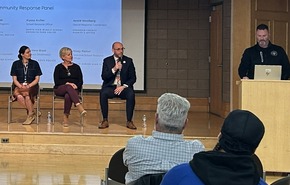
On March 11, Hennepin County partnered with Brooklyn Park, Maple Grove, and Osseo Area School District to host an opioid summit for parents and youth.
The event provided a space for residents to ask questions, connect to local resources, and hear from people with lived experience and other subject matter experts. Steve Rummler Hope Network provided naloxone training and kits for attendees.
|
Community partners
We are funding 31 organizations to deliver opioid services for prevention, response, treatment, and recovery through 2026. On March 27, we met with our contracted partners to review the county's opioid response strategy, data, and resources. The meeting also served as an opportunity for partners to learn more about one another and find opportunities to collaborate.
Destigmatizing language
The words we use in our opioid response efforts can impact residents and influence community perception. Person-first language reduces potential for stigma and negative bias by describing what someone “has” rather than what someone “is” — person with opioid use disorder avoids labeling, unlike the terms user or addict.
The following resources have helped shape our communications:
We also want to hear from you. Please share your thoughts and any resources you’d like us to consider.
|