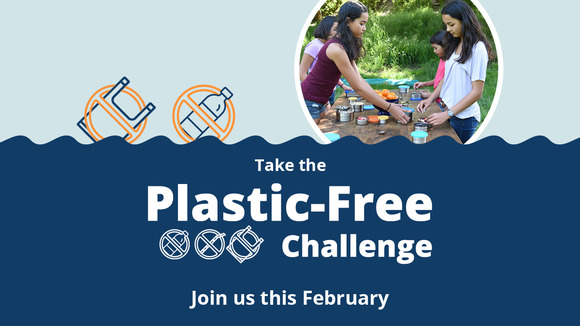
 Kickstart your plastic-free journey with the Plastic-Free Challenge in February! Get started by signing up, joining or creating a team, and creating your profile. Then browse the categories and actions, check off the actions you already take, and select up to five one-time actions and five daily actions to make progress on during the four-week challenge.
You could focus on learning about plastic recycling, making plastic-free swaps, or advocating for changes in your community. As part of a community acting together, see how our individual actions add up to a big impact!
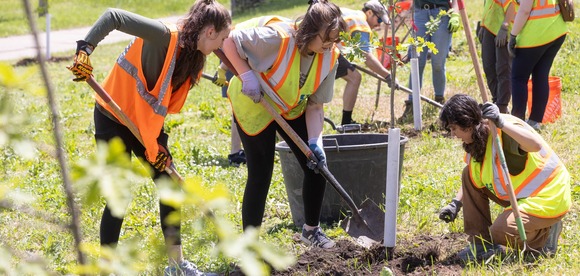 Hennepin County has healthy tree canopy grants available for tree plantings, ash tree removals, tree inventories, outreach and more. Cities, affordable housing properties, schools, and nonprofit organizations can apply.
The grants aim to combat threats to trees from invasive insects and disease, educate the public on tree care and the importance of trees, and increase the diversity and resiliency of the tree canopy.
Applications are due by 3 p.m. on Tuesday, March 3. Learn more by reviewing the healthy tree canopy grant flyer (PDF) or attending a virtual information meeting on Wednesday, February 4.
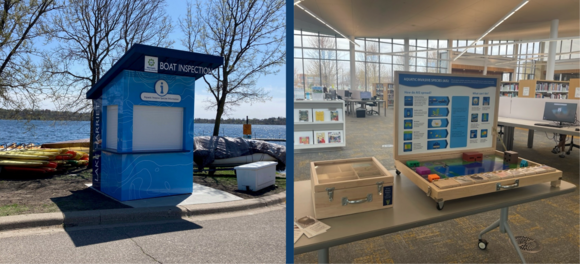 Hennepin County has finalized updates to aquatic invasive species (AIS) prevention aid guidelines for a five-year period beginning in 2026. The guidelines direct how the county spends state funding to prevent the introduction or limit the spread of AIS.
Continuing great work in AIS prevention
The updated guidelines continue much of the great work Hennepin County and partners accomplished from 2020 to 2025, including passing most state AIS Prevention Aid funding directly to local partners. This funding supports watercraft inspection programs, early detection efforts, redesigns and enhancements of public water accesses, and education of boaters, lakeshore homeowners, and residents.
The county will continue to rapidly respond to new AIS infestations and offer technical assistance to identify and address AIS found in our local lakes.
Aquatic invasive species prevention and watercraft inspection grants
Applications are open for grant projects that prevent the spread of aquatic invasive species. New for 2026, there are two AIS grant programs: watercraft inspection program grants and AIS prevention grants. Find details at hennepin.us/aisprevention.
 Two types of grants are available to schools to help improve recycling and organics recycling and reduce waste. Visit the school recycling web page to learn more and apply.
School recycling mini grant
Preschools, K-12 schools, colleges, and universities in Hennepin County may select up to $5,000 worth of containers and BPI-certified compostable bags from the county’s product list.
Applications will be accepted on an ongoing basis until Thursday, October 15, 2026, or until the annual program budget is exhausted.
Attend an information meeting about the mini grants on Thursday, February 19 from 2 to 2:30 p.m. Register.
School waste reduction and recycling grant
Grants are available to preschools, K-12 schools, colleges, and universities to start or improve recycling and organics recycling programs and take steps to prevent waste, including wasted food.
The first round of funding is available to two-year colleges, Head Start programs, and preschools and K-12 schools where at least 50% of students are eligible for educational benefits, such as the former free or reduced lunch program. Individual schools may apply for up to $15,000, and public schools may apply for up to $45,000 across the district.
Applications for round one are due on March 12, 2026.
Attend an information meeting about waste reduction and recycling grants on Wednesday, February 11 from 9 to 10 a.m. Register.
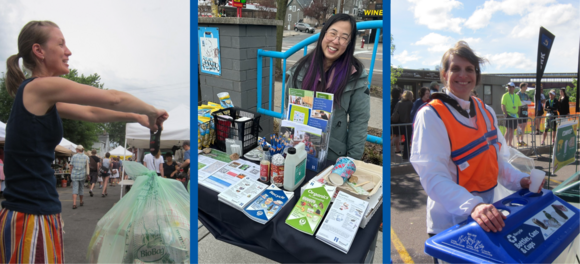 Volunteer in your community by becoming a Community Recycling Ambassador!
How the program works
Community Recycling Ambassadors are trained on waste prevention, recycling, composting, and effective communication skills through a six-week course, with one class each week, taught by industry experts and community leaders. This training program is free.
After the course, participants commit to 30 hours of volunteering, putting their skills to work on projects and activities that minimize waste and provide waste reduction, recycling, and composting education.
Apply for the spring 2026 course
The spring 2026 course will be held virtually on Zoom every Thursday, March 5 to April 9, from 5:30 to 7:30 p.m.
Applications for the spring course will be open from Thursday, February 12 through Thursday, February 26. Learn more about the program and apply.
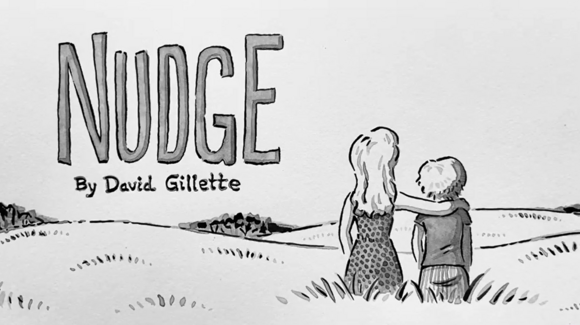 Three new conservation easements totaling nearly 88 acres were established in Minnetrista in 2025, permanently protecting a diverse and ecologically rich landscape. Owned by a single family with deep ties to the land, these properties reflect the landowner’s enduring commitment to nature, wildlife, and protection of the region’s natural resources.
The Gillette family treasures the abundance of wildlife that calls their land home, including several rare and sensitive native species. From big brown bats to sedge wrens in the grasslands, their properties are alive with natural beauty and ecological significance.
For the Gillette family, this work is a deeply personal investment in the future and a promise to preserve the natural beauty of their land, wildlife, and native habitats for all who come after. “This land will not be ours forever. But we did, in our time, have an opportunity to keep it natural. For everyone.”
Hear the full story of the Gillette family’s land and why they chose to permanently protect it through conservation easements in this personal video essay for TPT’s Almanac.
 The Minneapolis Chain of Lakes is one of Minnesota’s most visited natural resources, attracting more than 5.5 million visitors every year. But these beloved lakes face a challenge from polluted stormwater delivering nitrogen, phosphorus, trash, and other contaminants directly into the lakes, harming water quality and aquatic life.
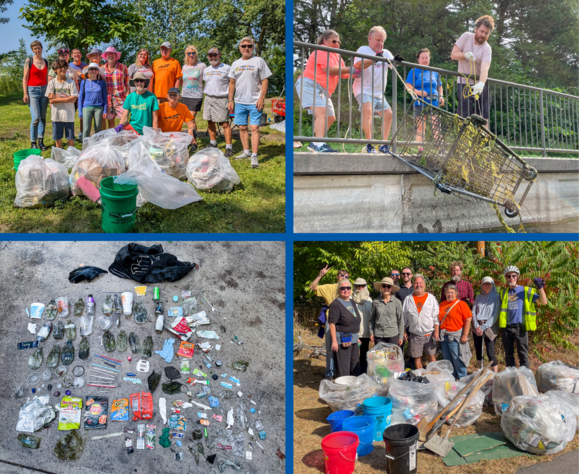
With support from a Hennepin County Good Steward Grant, local volunteers with Upstream MN are tackling the problem, one storm drain at a time. Keeping storm drains clear is a simple and effective way to reduce pollutants entering nearby lakes and streams. To engage residents, the group started a friendly competition to see which neighborhood could adopt the most drains.
Impact by the numbers
The results of the effort over the past four years speak for themselves:
- 16,651 gallons of trash collected
- 105 cleanup events hosted
- 1,494 volunteers engaged
- 82% of storm drains adopted in the East Isles neighborhood, the highest rate in the nation!
- Neighborhood drain adoption rates doubled in many areas
Beyond storm drain adoption, the team distributed 120 bags of traction grit as a winter salt alternative and installed a trash boom on Lake of the Isles to capture debris before it enters the lake.
This work shows what’s possible when communities come together for clean water. Every adopted drain, every bag of trash collected, and every volunteer hour makes our lakes healthier and more enjoyable for everyone.
Learn how to adopt a drain in your own neighborhood.
Swap It: Kitchen gadgets
Saturday, February 28, noon to 2:30 p.m., Ridgedale Library, Robert H. Rohlf Room
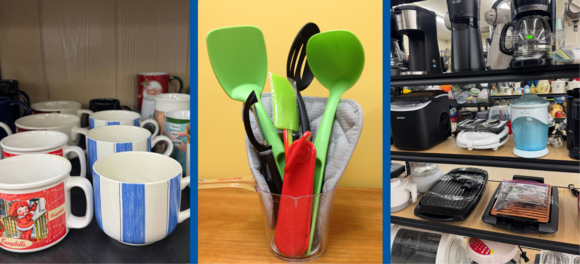 Bring gently used kitchen items you no longer need. Take home gadgets you can use. Swap it—for free! The theme for this Swap-It event is kitchen gadgets. From coffee makers to cutlery, blenders to bakeware: There’s something for every cook. Bon appétit!
What to expect
- No registration required. Anyone can participate, and kids are welcome. You do not need to bring items to take items.
- Everything is free.
- Check in at the event table, where volunteers will check, weigh, and sort your items.
- Make sure items are clean and in good working condition.
- Remaining items will be donated to Bridging.
See more details and a complete list of items accepted hennepin.us/swap-it.
Fix-It Clinics
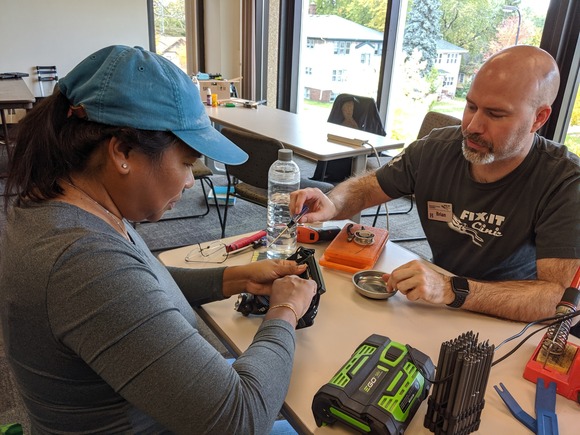 Get help with your broken stuff and learn valuable repair skills at free Fix-It Clinics.
Fix-It Clinics offer free, guided assistance from volunteers with repair skills to disassemble, troubleshoot, and (hopefully) fix small household appliances, clothing, electronics, mobile devices and more.
Upcoming clinics
Clinics are held on the second weekend of most months at different locations throughout the county from noon to 4 p.m., with the last items accepted at 3:30 p.m. Events are first come, first served. No pre-registration required.
Upcoming clinics are scheduled for:
- Saturday, February 14 at the Edina Community Center, enter at door 8
- Sunday, March 15 at the American Swedish Institute in Minneapolis
- Saturday, April 11 at the St. Louis Park Rec Center
See the full schedule of clinics through 2026.
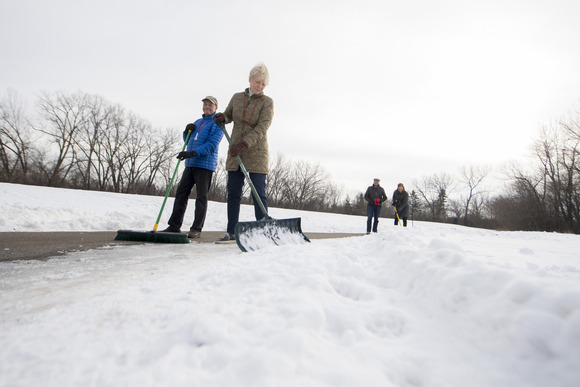 Every winter, tons of salt are spread on roads, parking lots, and sidewalks to keep us safe. But once the snow melts, that salt doesn’t disappear. It washes into our lakes, streams, and groundwater. Salt prematurely ages vehicles, roads, and bridges, degrades our freshwater lakes, streams, and rivers, and poses risks to our drinking water.
That’s why Hennepin County joined partners from across to country to raise awareness about smart salting practices during Winter Salt Week.
What you can do
Take these steps to protect our lakes:
-
Shovel, snow blow, or sweep as much snow as possible before spreading salt.
- If needed, scatter salt so there is space in between the grains – no piles! Use about 1 cup of salt for every 10 sidewalk squares.
-
Switch from salt to sand if the temperature is under 15 degrees Fahrenheit.
-
Sweep up excess salt after the ice has melted.
What the county is doing
Hennepin County has been steadily decreasing the amount of salt it uses during snow and ice removal on county roads. Improvements in technology, acquiring new equipment, and changing techniques have enabled the county to minimize impacts to the environment while maintaining safe road conditions.
The county encourages property managers to take the state’s Smart Salting certification training, and recommends businesses and organizations hire Smart Salting certified contractors for winter maintenance. Through a partnership with the West Metro Water Alliance, one-on-one consultations are available to facilities to address salt use and improve snow and ice management.
|





