March/April 2026
Complete the Essentials quiz at the end of this newsletter to receive one hour towards your annual training credit!
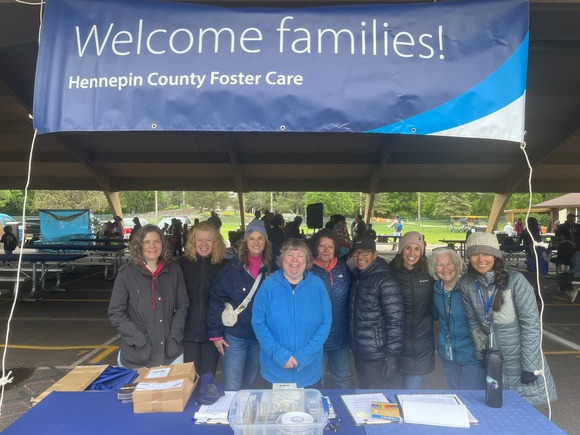
Please join us on Saturday, May 16, for this year's foster care picnic in appreciation of our dedicated foster care providers. Thank you for the countless ways you support children, youth, and families.
Mark your calendar for an afternoon filled with games, prizes, lunch, resources and more.
- Saturday, May 16
- 2:30 to 4:30 p.m.
- Veterans Park 6335 Portland Avenue, Richfield
More information and registration will be provided in future Essentials.
Summer care options
Summer is almost here!
Believe it or not, it is time to start thinking about how to keep kids busy and supervised over the summer months. We encourage everyone to explore options early as many programs reach capacity quickly. If you are aware of any great resources not included here, please let your licensor know so they can share with other families who are looking for summer care options.
-
Boys and Girls Clubs of the Twin Cities: Many Boys and Girls Clubs have free or low-cost summer programming available. Contact your local Boys and Girls Club for more information.
-
YMCA Summer Power: The YMCA offers preschool programs as well as programs for children kindergarten through fifth grade. Fees for children in foster care may be reduced by up to 40% if you apply for financial assistance.
-
Local school districts and community education programs: Take a look at your local school district and community education websites. They often have lower-cost child care options for school-aged children during the summer. For example, Minneapolis Public Schools offers a Summer Scholars program, including after care, for eligible student. Minneapolis Community Education offers programs which vary in flexibility and cost. Some districts, like Anoka Hennepin School District, offer substantial financial assistance for students who qualify for free or reduced lunch.
-
Local parks and recreation: Your local parks and recreation department may also have some opportunities for summer child care. Brooklyn Park Recreation and Parks offers summer child care and has a sliding fee scale. The city of Plymouth has summer programs for children ages 3 through 10. Many communities have similar programs.
-
Faith communities: Some faith communities, such as churches, mosques, or other religious organizations, may offer lower-cost summer programming as well. When researching these options, be cognizant of your responsibility to be affirming of each child’s religious and cultural identity. If you are unsure of a foster child’s connection to a faith community, talk with their parent or the child’s worker about what options are appropriate.
-
Friends and family: If you plan on having friends or family help out with child care for the summer months, talk with your licensor and the child’s worker so they are aware of the plans and can help you prepare for any foster care-related requirements.
Financial assistance
Keep in mind that many camps offer financial help but information about it can be difficult to find. It’s always worth a phone call to a program to find out if assistance for children in foster care may be available.
For more information about summer care and camps, take a look at the Minnesota Parent 2026 Summer Camp and Programs Guide.

Free event tickets for foster youth
Through our partnership with Tickets for Kids, foster parents can access free tickets to arts, cultural, educational and athletic experiences for the children they foster.
Send ticket requests or questions about ticket opportunities to hhs.cfs.recruitment@hennepin.us.
The following details are required to successfully submit a ticket request:
- Your name and contact information
- Name of event
- Event location (if applicable)
- Preferred date & time
- Total number of tickets requested
- Number of adults attending
- Number of youth attending
View available tickets at Tickets For Kids Charities | Agency Portal
Training requirements and opportunities
New Training Alert: Understanding Traumatized Children
We are excited to announce a three-session virtual training series, "Understanding Traumatized Children: Support & De-escalation," in 2026. Each session will be three hours long and held Saturday mornings from 9:00 a.m. to noon via Microsoft Teams on February 28, March 21, and April 25.
If you are a licensed foster parent and can commit to attending all three sessions, please contact your licensing worker to attend.
 |
|
Backless booster car seats available
If you are a relative provider in need of a backless booster seat for a foster child in your care, please let your licensing worker know. The training coordinator has a limited number of backless booster seats available on a first come, first served basis. Providers must have completed or be scheduled to complete car seat training to receive a seat.
|
Training requirements and registration process
Are you up to date on your annual training requirements? Each year after your initial license, every foster parent is required to complete a minimum of 12 training hours that must include the training below:
- 5 hours minimum from the Virtual Training options listed on training calendar
- Mental Health of your choice
- Fetal Alcohol Spectrum Disorder of your choice
- Mandated Reporter
Visit the Hennepin County Foster Parents website to learn about the most current training requirements (including requirements for relative foster providers), how to register, and view the training calendar.
Send all your questions and requests for training registration to fostercare@hennepin.us.
Well-child checkups matter
Well-child checkups aren’t just routine - they make sure foster kids get the care they deserve. As a foster parent, making these visits a priority helps your child have a greater chance to thrive.
Child and Teen Checkups staff can help
Staff are experienced in finding medical and dental clinics and can help schedule appointments and set up transportation or interpreters when needed. Call or email today:
Getting care quickly can make a big difference in a child’s life. Regular well-child checkup visits help find health problems like growth, vision and hearing issues early - before they become big concerns. Staying up to date on shots and simple tests like checking for lead or low iron helps prevent serious illness and keeps kids healthy over time.
Plus, well-child checkups support more than physical health. Doctors also ask about emotional health and make sure your child is reaching important steps in growing up. Seeing the doctor regularly helps build trust. Over time, the doctor learns what your child needs and can give better care. For foster children, this is even more important. These visits help address your child’s changing needs.
Well-child checkups include:
- A physical exam, including height and weight
- Review of health history and current concerns
- Screenings for vision, hearing, and growth
- Shots and lab tests, if needed
- Discussion on nutrition, behavior, and feelings
- Referrals and follow-ups for any concerns
Recommended schedule for children in foster care:
- Within 30 days of placement: A full medical check
- Birth to 6 months: Every month
- 6 months to 24 months: Every 3 months
- 2 years to 20 years: Twice a year
Foster parent Q + A
Foster provider Desiree shares how her love for children turned into a joy for helping others for the last seven years.
|
|
 |
How long have you been fostering?
I have been licensed since 2019.
What inspired you to become a foster provider?
I have always had a special place in my heart for children and what started out as curiosity for foster care quickly turned into a joy for helping others. I had always heard that there was a significant need for foster care so I just decided to take a leap of faith and try it out. I have always wanted to make a difference in a child's life when they are experiencing such a difficult moment as being separated from their parents. Helping them navigate through the difficult challenges that come along with being apart from their family helps give me a sense of purpose. The result of this is very rewarding and seeing a smile on a child’s face is absolutely priceless.
How have you personally handled reunifications with the families/parents? Did you need extra support?
I try to make meaningful, honest connections with families. I realize that when they are working with me, they are going through some of the hardest times in their lives and sometimes just need some extra support. I have always been honest with the parents on the care I give to their child(ren) so they always know how they are doing and also have support for them when times are unknown for all involved. When it comes time to reunify I always let the parents know that I can be a support (with boundaries) in the future as well. I tend to have some contact with most of the children in my care even after they leave my home so that makes it easier to know that I will probably see them again.
What is a nice ice breaker that you do when a child is placed in your home?
I think what works the best for children entering my home is that I have other children that seem to break the ice more so than I do, but just letting them know they are safe and loved. I like to get them things that comfort them, perhaps a favorite character/toy or certain foods they really like. If they are really young, I will put on their favorite program and watch it with them or play a game. I also reassure them that they will have phone/video calls and visits with their parents, so they don’t feel like they have abandoned them. Framing the situation in an age-appropriate way is very important to keep the child informed about what is going on and what they can expect.
How has fostering changed you or changed your family dynamics?
I have been fortunate enough to become a permanency option for three children I have cared for. I don’t even know where to begin with this question, but I’ll start with the empathy I’ve encouraged and witnessed with my adopted sons makes me so proud. They accept all placements that come to me with open arms when they arrive. We just look at it as we are adding additional kids/friends to join our family, may that be temporarily or permanently. My kids love having new friends to play with and get to know. I try to make the whole experience as positive as possible for everyone involved.
Help find a family for Rakheem

As foster parents, you know that most children in foster care return home to their families. Some are adopted by relatives or by their foster parents.
When these options aren’t possible, kids need loving and supportive adoptive families. Many waiting children in Hennepin County are school-age or teens, or part of a sibling group. Help us spread the word and find permanent families for these youth. We are in need of loving families, like yours, who are willing to be a mentor, respite provider, foster family, or adoptive resource for these youth.
Rakheem is an energetic and inquisitive 8-year-old boy. He is known for his engaging personality and polite nature. He loves riding his bike or scooter through the neighborhood and he thrives during movement activities such as gym class. Recently Rakheem has discovered that he loves art and being artistic. He loves conducting science experiments, building things, and expanding his growing collection of Pokémon cards. His creativity and love for learning make him stand out among his peers.
Please contact Kellie Syring if you are interested in learning more about Rakheem.
|
 |
Receive training credit: Take the Essentials quiz
Once you have read Essentials, take the Essentials quiz to earn one hour of training credit. We will forward the completed quiz to your licensing worker once we have received it.
|