26 Healthy Tree Canopy grants awarded
Hennepin County recently awarded 26 Healthy Tree Canopy grants totaling $500,000. Grant projects will take place in nine cities, on two affordable housing properties, at four schools, and through eleven nonprofit organizations, including congregations and neighborhood associations.
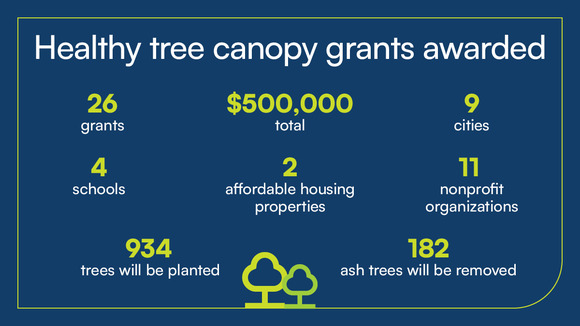 Grant funding will be used for a variety of activities, including conducting tree inventories, expanding the capacity of city forestry teams, treating or removing and replacing ash trees, and educating residents on the benefits of trees and engaging them in tree planting efforts. More than 930 trees will be planted, and more than 180 diseased trees will be removed through the grant projects.
The grants will improve livability and reduce disparities by planting trees in areas experiencing disproportionate amounts of economic, environmental, and health inequities. The grants will also protect people and increase the county’s resilience to climate change by increasing the benefits that trees provide.
Learn about the grants awarded. For more information, contact trees@hennepin.us.
Green Partners environmental education, action, and leadership projects
In August, the county awarded contracts for 24 Green Partners environmental education projects totaling $497,400. The community organizations will engage their audiences in learning about and taking action to protect the environment.
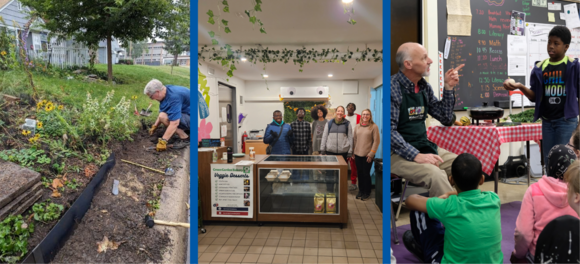 Three types of projects were awarded:
- 10 organizations will work primarily with elementary and middle school youth to learn about the environment and becoming environmental stewards
- 10 organizations will engage high school youth and young adults in environmental leadership and green jobs projects
- 4 organizations will work primarily with adult audiences to motivate environmental actions
Together, these projects will engage more than 9,000 people, including more than 5,600 youth, and reach more than 165,000 people with environmental messages. The Green Partners program prioritizes environmental education and engagement with audiences that experience disparities.
Environmental Response Fund cleanup grants
Hennepin County awarded seven Environmental Response Fund grants totaling $1.8 million in August. The awards will assist developments that increase the tax base and create or retain permanent jobs. They will provide soil vapor mitigation systems for the renovation or construction of affordable housing units in Minneapolis. Grants will also support soil cleanup projects in Rogers and Robbinsdale, and active vapor mitigation system and sump reroutes for a community center. One of the grants will provide continued support to the Brownfields Gap Financing Program, which provides small environmental grants to government entities and non-profit organizations.
Applications for grants to clean up contaminated land due November 1
Environmental Response Fund (ERF) grants are available for the assessment and cleanup of contaminated sites, or brownfields. Grants are available to cities, local public entities including economic development agencies and housing and redevelopment authorities, nonprofit organizations, and businesses.
Applications will open soon and will be accepted until Saturday, November 1. Before applying, contact brownfields@hennepin.us to discuss your project and funding needs.
Good Steward grants awarded to improve water quality and enhance natural resources
Hennepin County recently awarded 13 Good Steward grants totaling nearly $230,000 for projects that will improve water quality, enhance natural resources, and promote environmental stewardship in the community. Learn more about Good Steward grants and projects awarded.
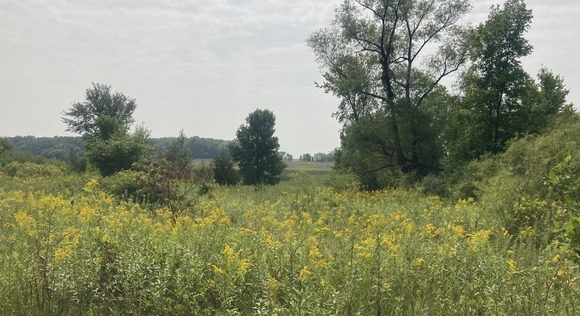 The grants awarded will:
- Convert lawns to pollinator habitat and rain gardens
- Restore habitat, including ponds, oak savannah, prairie, and shoreline
- Eradicate invasive species
- Reduce erosion
- Create space for environmental education
- Incorporate stormwater treatment and reuse
Funding will help establish organics recycling drop-off site in Brooklyn Center
The county recently awarded a $15,000 grant to the Hennepin Recycling Group to establish an organics recycling drop-off site in Brooklyn Center. The drop-off site will provide an organics recycling option in an area with a high concentration of residents in apartments, townhouses, and condos.
About one-third of our trash is organic materials, including food, food-soiled paper, and certified compostable products, that could be composted. Organics recycling is the best opportunity to reduce our trash and put it to better use. Organics recycling pickup services and more than 50 organics recycling drop-off sites are available throughout the county. Learn more about organics recycling.
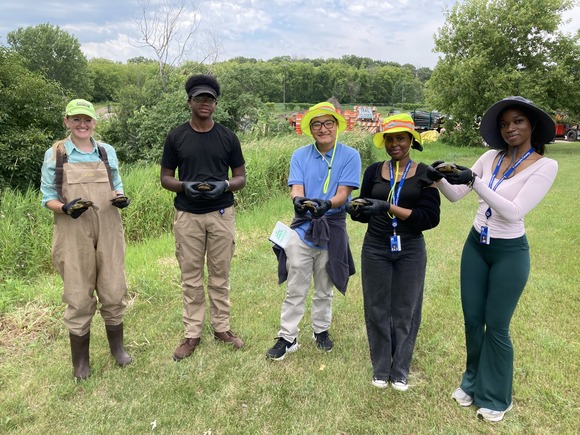 Green Pathways interns helping monitor the habitat for painted turtles
Green Pathways interns recently wrapped up a busy summer of exploring environmental work and careers. The interns watered trees, learned about hazardous waste, and wrote social media content. They tabled at a food co-op and the Brookdale Library to promote the Stop Food Waste Challenge and conducted outreach at a National Night Out event. They also learned about monitoring habitats for painted turtles and shared what they learned about native fish living in area rivers and lakes.
Now in its fourth year, Green Pathways is a paid summer internship for students facing disparities. By creating a supportive cohort and teaching green job skills for resumes, the program is designed to inspire youth to consider environmental careers.
This summer’s intern cohort was led by a University of Minnesota student and included three high-school aged interns recruited through the BrookLynk program.
Achievement awards from the National Association of Counties
Four environmental programs received achievement awards from the National Association of Counties this year. The following programs were recognized for exemplifying innovation in county government programs.
-
MNimize, a program to reduce plastic waste in restaurants and food service businesses that the county partnered with Minnesota Waste Wise to develop. In three years, MNimize has reduced about 769,000 single-use plastic items, the equivalent of 51,000 pounds of plastic waste, saving businesses an estimated $65,000.
-
Natural Resources Partner Coalition, an effort to address gaps in natural systems planning by creating a suite of interactive mapping tools, centralized clearinghouse of data and best practices, and technical assistance. The coalition and tools are available to local governments, advocacy groups, businesses, and residents.
- Sumner Library refurbishment, this project is the first county library project to seek Minnesota’s Buildings, Benchmarks and Beyond (B3) certification. The success of this capital improvement project, along with that of others in the county, demonstrates the county’s resolve to achieve third-party B3 certification of all new construction and select remodel projects.
- Urban agriculture, a program that works directly with residents to plan, implement, and maintain the green space; learning from communities; and educating residents on climate change and urban agriculture at four vacant tax-forfeited lots.
Northern Lights Awards from the Minnesota Association of Government Communicators
Two environmental projects received Northern Lights Awards, which recognize outstanding work in Minnesota's government, educational, and nonprofit communications. The following projects received awards:
-
Preserving Legacy (PDF), which is a magazine-style publication that goes to residents who own property protected by conservation easements to provide updates on conservation programming and connect to opportunities to further protect and improve habitat.
-
Trash or Cash gameshow videos, which take a fun, humorous approach to raising awareness about food waste and motivating residents to make changes at home, while grocery shopping, and on-the-go.
Waste less food and save money with the Stop Food Waste Challenge
From salads to fruits to bread crusts and more, WCCO’s Sheletta Brunbridge shared how she felt shocked and embarrassed by all the food she recently threw away when cleaning out her fridge before traveling. This is a common experience, and all that wasted food costs the average family of four more than $2,500 each year. Hennepin County food waste prevention specialist Jenny Kedward shared with Sheletta practical tips for wasting less food and how the Stop Food Waste Challenge, which runs throughout August, can help you create better habits and save money. Listen to their conversation on WCCO radio.
Organics recycling increases by 30% in Hennepin County
Hennepin County has a zero-waste goal of diverting 90% of waste from landfills and incinerators, and participating in organics recycling is an easy way to reduce trash and help make progress toward that goal. About 25% of our waste is organic materials, including food scraps, food-soiled paper, and certified compostable products, that could be composted. With organics recycling, those materials are sent to a commercial composting site and turned into nutrient-rich compost that is used to improve soil in gardens, farms, landscaping, and road construction projects. The amount of organics sent to compost sites increased by 30% from 2023 to 2024 thanks to more cities and haulers offering the service and more businesses and residents participating. Learn more on CCX media.
Building material donation events
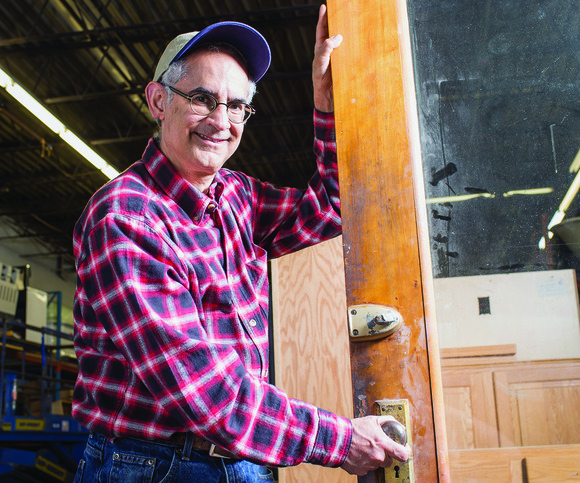 For Minnetonka residents
Saturday, September 6 from 8 a.m. to 3 p.m. at Minnetonka Public Works
Donate unwanted building materials and tools to a local nonprofit that specializes in the reuse and resale of building materials. Better Futures MN will be onsite to vet all materials for quality and potential for resale.
Open to Minnetonka residents. Find guidelines and full list of items accepted.
For Brooklyn Center, Brooklyn Park, Crystal, and New Hope residents
Saturday, September 13 from 9 a.m. to noon at 8300 Noble Ave. N in Brooklyn Park
Donate unwanted building materials, furniture, and mattresses in good condition to local organizations, Better Futures MN and Bridging. All materials will be vetted onsite for quality and potential for resale or redistribution.
Open to residents of Brooklyn Center, Brooklyn Park, Crystal, and New Hope. Find guidelines and full list of items accepted.
Home electrification webinar
Wednesday, September 17 from 6 to 7 p.m., virtually on Zoom
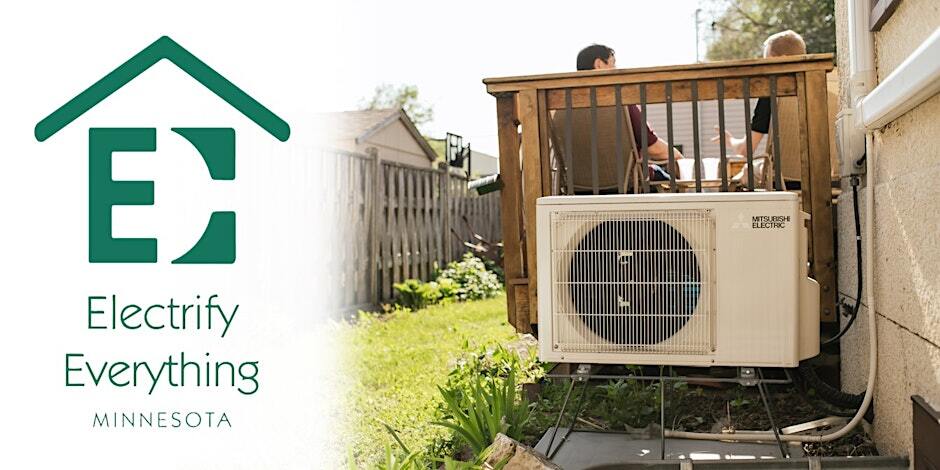 Want to make your home more comfortable, efficient, and climate friendly? Have questions about heat pumps, induction stoves, or clean energy? Learn all about home electrification at an upcoming webinar offered by Electrify Everything MN in partnership with Hennepin County.
Learn how to switch from fossil fuel-powered appliances to electric ones and the resources and incentives available to help. The workshop is free, but RSVPs are required.
Free backyard composting webinars
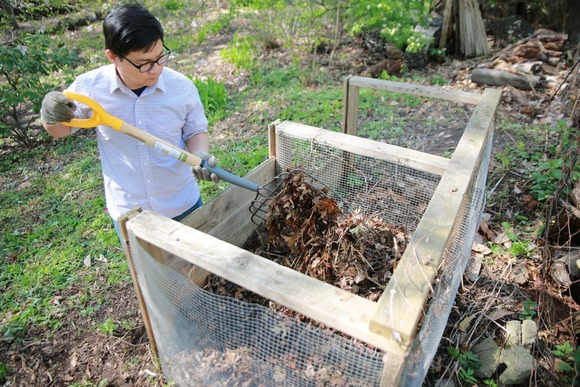 Start turning your food scraps and yard waste into compost—right in your own backyard. About 25% of what we throw away is organic materials like food, napkins and paper towels that could be put to better use as compost. Hennepin County offers free online webinars to help you get started. Learn how to set up your compost pile, what materials you can compost, how to get the mix right, and more. There is no charge to sign up, but registration is required.
- Friday, September 26 from noon to 1 p.m. Virtual on Zoom. Register.
- Tuesday, October 14 from 7 to 8 p.m. Virtual on Zoom. Register.
Learn more about backyard composting in Hennepin County at hennepin.us/composting.
Blue Thumb fall native plant sale
Saturday, September 20 from 10 a.m. to 1 p.m. at Valley Community Presbyterian Church in Golden Valley
Visit Hennepin Conty’s partner Blue Thumb for a one-day native plant sale. The sale will feature four local growers and all the resources you need to start or expand your native garden. Whether you’re new to native gardening or a seasoned pro, this event is a great way to stock up on plants and get expert advice. Plus, Blue Thumb will have free garden design templates and planting resources to help you plan your space. Learn more about the plant sale.
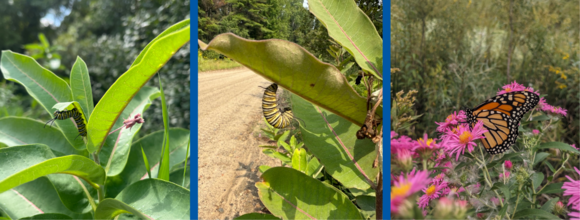 Fall is a great time to plant native perennials in Minnesota. Pollinators like monarch butterflies rely on late-blooming flowers like goldenrod, New England aster, and meadow blazing star for energy during their long migration.
Fall planting helps roots establish in cool, moist soil, setting plants up for success next spring. When planting seeds, press them into the soil surface, but don’t bury them. Water once if the soil is dry, then let nature do the rest.
Another tip for fall: resist “cleaning up” your garden. Leaving stalks and seed heads provides winter shelter for bees and butterflies and food for birds. A “messy” garden is a healthy habitat!
Monarch conservation in Hennepin County
Hennepin County is contributing to monarch conservation by voluntarily enrolling in a cooperative agreement to protect monarch habitat along roadsides called the Monarch CCAA (Candidate Conservation Agreement with Assurances).
The monarch butterfly is a candidate for listing under the Federal Endangered Species Act due to habitat loss and insecticide use. Through the Monarch CCAA, county staff will monitor roadside habitat each year, tracking milkweed, flowering plants, and pollinators. This summer’s first survey at the county’s Public Works facility in Medina showed habitat quality ranging from moderate to excellent!
By planting natives in your yard this fall and leaving dead plants standing through winter, you’re helping monarchs and other pollinators thrive, right from your own yard.
|





