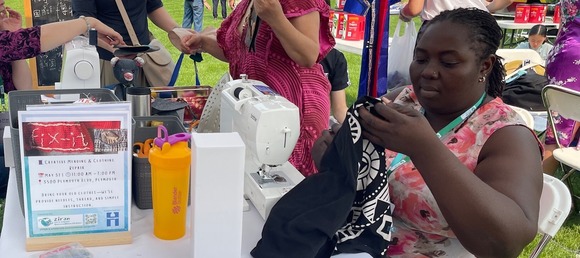
 Hennepin County recently awarded six Community zero waste grants totaling $450,000. The grants expand funding and support for community-centric solutions to advance a zero-waste future and seek to reduce racial disparities and advance equity in the solid waste management system.
The following grants were awarded:
- African Career Education and Resources (ACER) to make the annual Shingle Creek Center Fair in Brooklyn Center a low waste event.
- Free Geek Twin Cities to reduce electronic waste through collection events and expanded business hours.
- Little Earth Residents Association to improve recycling, start organics recycling, and incorporate repair clinics at clothing swaps.
- Lyndale Neighborhood Association to host swap events for household items and books and to make the annual Wheels and Bike Rodeo be a low waste event.
- Oromo Diaspora Media to start recycling and organics recycling at three religious institutions that serve the Oromo community and host events.
- Zone For Integrated Resources and Alliances with Nature (ZIRAN) to start recycling and organics recycling at three businesses that primarily serve Asian American populations and to facilitate low-waste event planning at 10 events, including Twin Cities Waste Metro Asian Fair.
 |
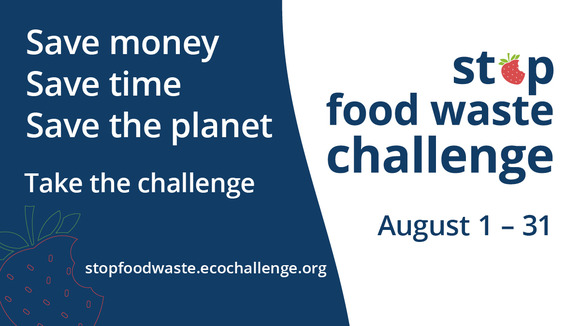 Take the Stop Food Waste Challenge this August to see how you can save money, time, and the planet by tweaking your kitchen habits.
In the U.S., about 40% of food is wasted somewhere along the supply chain, and much of that food waste happens at home. Wasted food is a waste of money. The average family of four spends more than $2,500 on food that gets tossed every year. We waste time shopping for food we don’t have a plan to use and cooking food we forget to eat. All that uneaten food wastes the resources, energy, and labor used to create it.
By coming together with our community, we can make a real difference toward reducing waste and fighting climate change. Take challenge this August to learn better strategies for buying food you’ll eat and eating the food you buy. Registration opens July 1.
Seeking Stop Food Waste Challenge partners
Nonprofit organizations, community groups, cities, neighborhoods, schools, and businesses are encouraged to become Stop Food Waste Challenge partners and help increase promotion and engagement for the challenge.
Partners get their logo displayed on the challenge website, gain access to promotional materials, and get recognition and cross-promotion during the challenge. There is no cost to becoming a partner. See the Stop Food Waste Challenge partnership guide (PDF) for details.
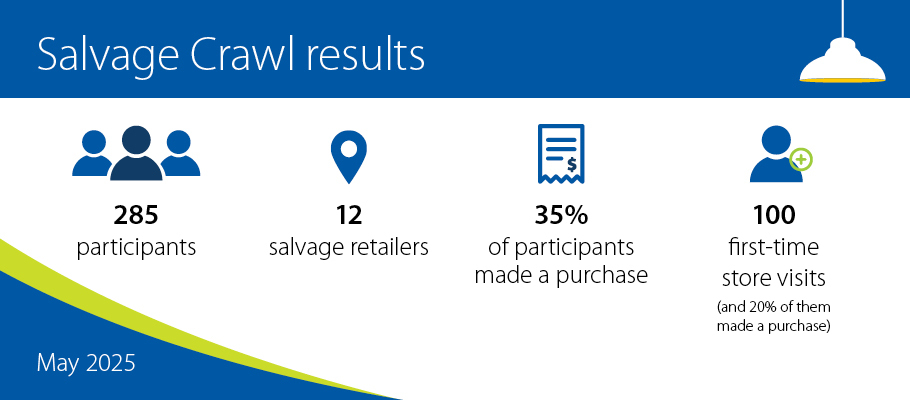 Thanks to everyone who participated in this year’s Salvage Crawl in May. More than 280 people shopped for used building materials for home remodeling projects. 35% of participants made a purchase, 100 people made first-time store visits, and prizes were awarded to lucky participants.
Congrats to the shoppers and participating retailers! Learn more about salvaging building materials.
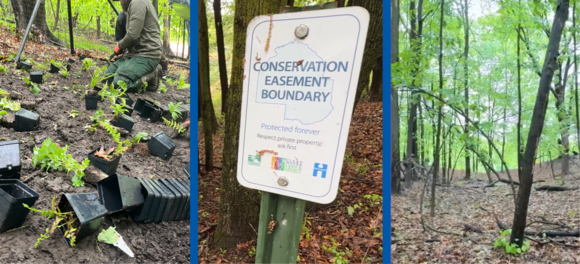 This spring, Hennepin County conservation staff completed a forest restoration on land permanently protected with a conservation easement in Minnetrista. The project involved planting a diversity of spring ephemerals, which are wildflowers that bloom in the spring before the trees’ leaves have fully emerged, sometimes in the snow! These flowers are important for early pollinators and are threatened by the impacts of invasive earthworms.
The landowners, along with several of their neighbors, have established conservation easements on areas of their properties to protect and improve the health of the ecosystems and the benefits they provide, leave a legacy for future generations, and provide important habitat for wildlife, including rare and endangered species.
Watch short videos on YouTube about the forest restoration, conservation easements, and rare wildlife finds.
The Twin Cities has experienced several days with air quality alerts due to wildfire smoke throughout June, with air quality reaching levels considered unhealthy for everyone.
The first step to being prepared for poor air quality is to be aware of local conditions. Get information about current air quality conditions and sign up to be notified of future air quality alerts from the Minnesota Pollution Control Agency.
During poor air quality days, stay healthy by limiting, changing, or postponing outdoor activities. Avoiding contributing to unhealthy air by reducing or avoiding driving, postponing backyard fires, and avoiding the use of gasoline-powered lawn and garden equipment. Learn more about staying health during air quality alerts.
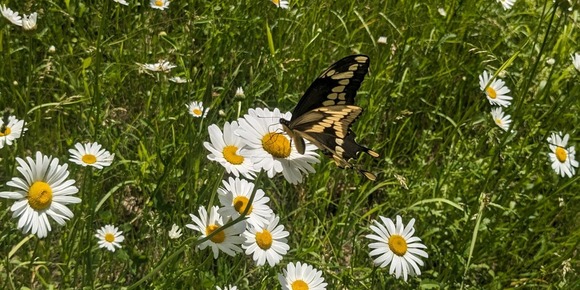 We rely on pollinators including native bees, butterflies, and birds to pollinate fruits and vegetables like apples, tomatoes, pumpkins, and strawberries. National Pollinator Week in June offered a chance to celebrate pollinators and learn what we can do to help these important species.
You can help Minnesota’s pollinators in your yard or garden by planting native pollinator-friendly plants, replacing grass with low-maintenance plants, planting trees, and eliminating pesticides.
Gardening for pollinators
Even a small garden can help pollinators by providing food, nectar, and pollen. Here are some tips to get you started:
Think variety: Grow a variety of native plants that flower throughout the year. This will provide diverse food sources for a variety of pollinators.
Leave your garden messy: Last year’s plants, leaves, seedheads, and stems provide important overwintering and nesting habitats. Leave them on the ground to support pollinators.
Keep flowers and plants clean: Eliminate pesticides in your garden.
Learn more and take action
|




