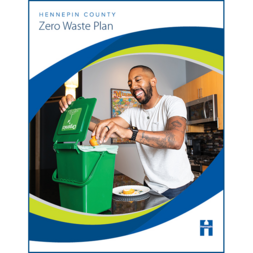
Hennepin County has finalized its Zero Waste Plan (PDF), concluding the 1.5 year long process that resulted in 62 actions to advance a zero-waste future.
The actions were developed with extensive public feedback from more than 1,800 participants. A huge thank you to all that gave their time and input to create and improve the plan.
This update includes:
- Summary of the key findings from the final comment period
- Changes made to the Zero Waste Plan
- Next steps
|
The county gathered public comments on the draft Zero Waste Plan from February 21 to March 20, 2023, through three methods: an online community feedback session, an online survey, and written comments.
Key findings:
- Survey respondents widely support the county’s zero-waste goal.
- The majority of the feedback focused on closing the Hennepin Energy Recovery Center (HERC). Without a defined shutdown date for HERC, many respondents said they do not support the plan.
- Actions in the plan with strong support included: education, reuse and repair, extended producer responsibility, single-use plastics ban and zero-waste packaging requirements, zero-waste infrastructure, such as an anaerobic digestion facility, city-level actions, such as organized collection, and new drop-off collection options.
- Actions that received mixed reactions: Mandates and mandated participation, financial incentives, recovering recyclable materials from the trash, and overall costs to implement the Zero Waste Plan.
Read more in the key findings of public comments on the draft Zero Waste Plan report (PDF) and the verbatim comments (PDF).
These materials and other plan documents and updates are available at BeHeardHennepin.org/zero-waste-future.
The following changes were made to actions based on public feedback.
Provide more education
B.7 Expand reach of county waste education programming: Edits were made to provide additional context and specifics on campaign topics (food waste prevention and residential organics recycling) and tactics, including behavior change practices and youth education.
B.10 Added a new action: launch a broad consumer campaign on food waste prevention.
Provide more clarity on transition to organized collection
C.1 Support the transition to organized collection across the county: Edited the action to say the county will work with cities and haulers to define roles and responsibilities and to incorporate a reference to pay-as-you-throw incentives and expanding incentives to include reuse and hard-to-recycle items.
Expand advocacy for state laws that advance zero waste and materials circularity
C.18 Added a new action: Support changes to product stewardship for e-waste to cover collection and program costs and expand access to electronics recycling.
C.19 Added a new action: Reduce barriers for businesses to use refillable containers
C.20 Added a new action: Revise building codes and zoning ordinances that inhibit recycling
Put greater priority on reuse and repair
D.7 Support innovation on zero waste: This action was focused on developing innovation hubs, which bring together local entrepreneurs to incubate new ideas and activities that can lead to a more circular economy. This action was edited to:
- Acknowledge and include support for existing reuse businesses and districts, such as the reuse retailers along Minnehaha Avenue in south Minneapolis and salvage businesses in northeast Minneapolis.
- Clarify the intent to address gaps in access to reuse infrastructure.
- Include exploration of options to co-locate reuse, recycling, manufacturing, and retail businesses in a central facility or area, sometimes called a Resource Recovery Park.
Acknowledging HERC
There continues to be productive tensions around HERC and its role in the county's waste management system, and the county remains committed to continued conversations about HERC and its future. The plan continues to include the following two actions that were developed through the community engagement process with the action planning work groups. Further detail about the continued inclusion of these action in the Zero Waste Plan is provided below.
A.10 Establish milestones to phase out the use of the HERC as county approaches zero waste.
This action remains as it was proposed because establishing milestones or considering a target closure date requires a comprehensive analysis of the implications followed by a deliberative decision-making process by county commissioners.
A.9 Evaluate HERC upgrades to reduce impacts on community in the short term
This action remains as proposed to preserve the opportunity for staff to recommend and the county board to approve short-term environmental and safety upgrades or improvements through the capital improvement process while HERC is operational.
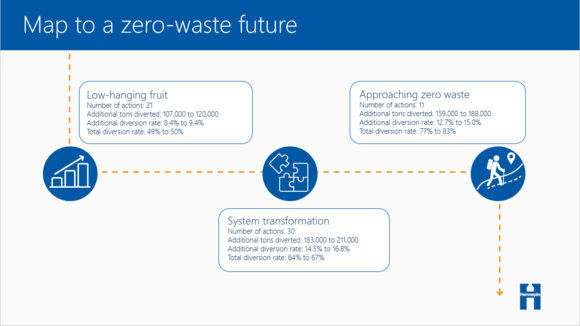
Map to a zero-waste future
With these additions, the map to a zero-waste future was updated to reflect the county’s approach to implementing the plan. When successfully resourced and implemented, the plan is expected to achieve an 83% diversion rate.
Shifting to implementation
The county’s waste reduction and recycling staff are shifting to implementation.
We recently launched the Apartment Recycling Champions program, expanded education and outreach, and hired a food waste prevention specialist to establish a food waste reduction target and a plan to eliminate food waste.
We are planning for additional resources in the 2024 budget process. The budget request will support resources for new initiatives to address plastics and collection of hard-to-recycle materials, increase assistance to community groups, businesses, multifamily properties and schools, and increase enforcement of the county's food waste and recycling requirements.
Preparing the 2024 solid waste management plan
We are also preparing to develop the next solid waste management plan.
The Minnesota Pollution Control Agency has released its draft Metropolitan Solid Waste Management Policy Plan. Comments are being accepted through August 31, 2023.
Once the state policy plan is finalized, the county will have nine months to complete its solid waste management plan to meet the state’s policy objectives. The Zero Waste Plan will serve as the foundation of the county’s solid waste management plan, which will be considered for board approval in 2024.
How you can contribute to a zero-waste future
Reaching zero waste will require significant changes to current solid waste policies, programs, product design, consumption habits, and resources. We asked how our communities want to contribute to a zero-waste future. You told us you want to take the following actions, and we have some resources and ideas for how you can take action now.
Recommit to looking at the waste you produce in your household and take steps to prevent waste
Take the Stop Food Waste Challenge this August. During the challenge, you are encouraged to track your food waste and commit to the highest impact actions for your household.
 Use new or expanded services resulting from the plan implementation
If you haven’t already, sign up for organics recycling. Residents throughout the county have access to pick up or drop-off services.
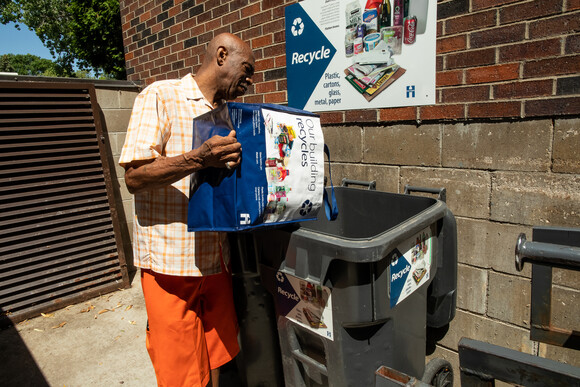
If you live in an apartment building, townhouse, or condo, explore our multifamily recycling resources. Grants, expert assistance, and free resources are available.
 Support the development of zero-waste infrastructure like drop-off sites or recycling facilities in your community
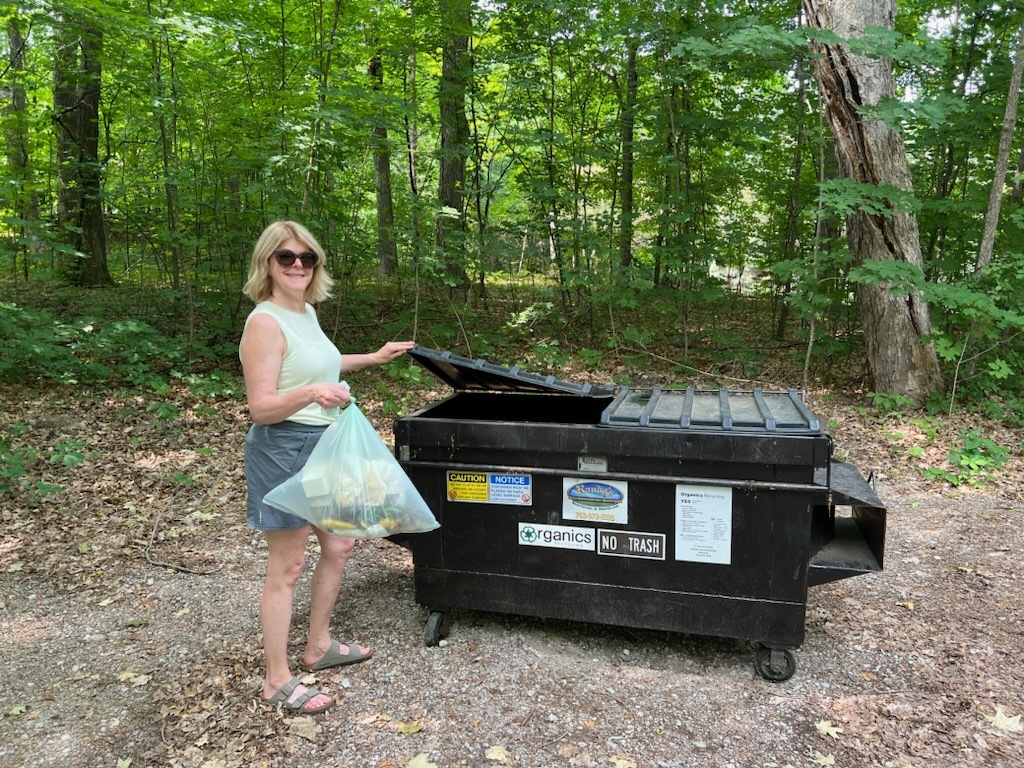
Many new organics recycling drop-off sites, especially in the western suburbs of Hennepin County, became available in the past year. There are now 45 organics recycling drop-offs available throughout Hennepin County.
Properly dispose of hazardous waste at an upcoming collection event, which give residents more convenient local disposal options for their household hazardous wastes. Events are planned in August in north Minneapolis and Orono/Wayzata in September.
 Advocate for policy changes at the state, county, and city level
Let your elected officials know that zero waste is important to you. Explore local, county, and state policy actions starting on page 32 of the Zero Waste Plan.
Explore volunteer opportunities
Join fellow waste reduction enthusiasts and inspire others to reduce, reuse and recycle as a Community Recycling Ambassador.
Help out at a Fix-It Clinic. Volunteer fixers who have skills in soldering, electronics repair, electrical repair, sewing, wood working, and general tinkering are essential to making the clinics successful.
 Stay connected
Sign up for Green Notes and follow us on social media – Hennepin Environment on Facebook, Hennepin Environment on Instagram, and @hennepenviro on Twitter – for the latest news, events, and program updates from Environment and Energy.
|





