|
May 1, 2023
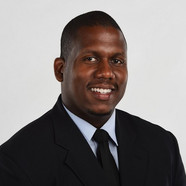
On Saturday morning, I saw a tweet – an all-too-familiar tweet – about another mass shooting. This time, it happened in Texas, where a man had killed five people (four adults and an 8-year-old boy) after they’d allegedly told him to stop shooting because there was a child asleep in their home. Authorities had found two of the surviving children underneath the bodies of two of the victims, suggesting they had acted as a human shield for those kids.
On Sunday, Texas Gov. Greg Abbott released a statement, announcing a $50,000 reward for information about the assailant. But he also made sure to say that the five victims were “illegal immigrants.”
In a country where anyone who isn’t Indigenous or the descendants of those forced into enslavement was an intruder at some point in the history of this country, it’s a convenient distinction to disparage an individual’s name and worth.
In that moment, Abbott had reduced the five victims to a status or a designation. And that’s what happens to Black and brown bodies here. Their existence often comes with an asterisk.
Javier Zamora’s “Solito” offers a glimpse of his experience not only as he developed as a boy – he smokes with older travelers and notices his body changing in the early chapters – but also searched for the elusive attachment we all seek to something or someone or somewhere as he journeys toward America and his family.
In El Salvador, he had practiced with his grandfather to say the right things. As he arrived with a stern coyote in Chapter 4, “Oaxaca, Mexico,” he is told, “You are Mexican now.” The assumptions about the immigrant experience within the Latino/Latinx community are filled with stereotypes. I appreciate Zamora’s perspective in this chapter because it’s clear he feels like an outsider long before he reaches America. He is aware that people might try to expose him in Mexico so he has to talk a certain way. He has to use Mexican lingo. He has to blend with those around him, all while he covets clean showers, a glass of water and a sense of safety his trek rarely provides.
It’s all part of his effort to not only reach his destination but to survive long enough to enjoy the fruits of the journey and see his mother again.
But it’s clear he’s not sure he belongs. Does anyone actually belong here?
The announcement from the Texas governor suggested the concern centered on how the five victims got here instead of the fact that they were killed and their children and loved ones were left behind.
They, like Zamora, deserved an opportunity to dream. Because that’s not an American right. It is universal. Their status was “human.”
|
There are many legs to Zamora’s journey: boat, bus, and on foot. How was each leg of the journey uniquely challenging and dangerous for Zamora and his group?
How have your thoughts about Border Patrol and illegal immigration changed after reading about 9-year-old Javier Zamora’s experience versus the coverage you may have seen in the media?
Share your reflections and feedback with us at MaryAnnKey@hclib.org.
Moderator
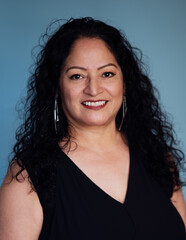
Susana De León (she/her) is a community activist, traditional dance leader and immigration attorney. Susana practices exclusively in Immigration. She regularly teaches local and national seminars and prioritizes the representation of crime victims, women who are victims of physical and sexual violence, children, and cases of urgent humanitarian need. Susana is the Co-director of Kalpulli Ketzal Coatlicue, a community-based traditional Aztec dance circle made up of families seeking to maintain cultural ties to their Indigenous ancestors.
|
Panelists
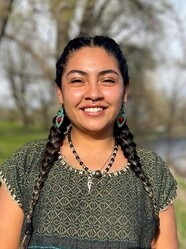
Fernanda Acosta (she/they) is an immigrant, organizer, and artist. She was born and raised in Mexico City and moved to Minnesota in 2010. She organizes with her base and community to change systems and conditions based on our shared experience living at the intersection of climate and immigration.
|
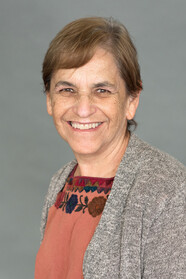
Teresa Ortiz is a writer, spoken word poet, and educator. An immigrant from Mexico in Minnesota, and a founding member of the 20-year-old Latinx Spoken Word Collective, Palabristas. Teresa writes in English and Spanish to honor her ancestors and her loved ones, aiming to portray her identity, the land where she has lived and the lives that have touched her own. For several decades she has worked in Adult Basic Education, educating generations of new immigrants to Minnesota. Presently, she is the Adult Education Manager at CLUES, Comunidades Latinas Unidas en Servicio.
|
Mary Ann Key Book Club – A Community Discussion of “Solito”
Thursday, May 18, 7 p.m.
Join columnist Myron Medcalf and Latino/Latinx community leaders in an online conversation. Panelists will discuss “Solito: A Memoir” by Javier Zamora and how themes from the book are reflected in our community, writing as healing, and action steps for a more equitable future. Media partner: Star Tribune. Sponsor: Friends of the Hennepin County Library.
Registration is required.
Mary Ann Key Book Club – A Conversation With Javier Zamora
Tuesday, May 23, 6:30 p.m at Minneapolis Central Library, Pohlad Hall
Join the Mary Ann Key Book Club for an exclusive evening featuring Javier Zamora, award-winning author of “Solito.” The author will be joined in conversation by Star Tribune columnist and book club partner Myron Medcalf. The conversation will conclude with a Q&A session with participants and a book signing with the author. Media partner: Star Tribune. Sponsor: Friends of the Hennepin County Library.
Register to attend in-person.
(This event will also be livestreamed and recorded. Register to attend online.)
Discusión del Club de Lectura Mary Ann Key - Solito
Jueves 25 de Mayo
6-7 p.m.
Pequeño grupo de discusión virtual comunitario alrededor del libro "Solito" de Javier Zamora (emociones, pensamientos, conexiones, preguntas, etc.) Las preguntas para la conversación se enviarán a su correo electrónico una semana antes del evento. Patrocinador: Friends of the Hennepin County Library.
Regístrese aquí: https://bit.ly/ap27may25
Mary Ann Key Book Club – Una Discusión Comunitaria del Libro "Solito"
Jueves 22 de Junio, 6-7 p.m.
Evento de panelistas con organizadores/ activistas comunitarios que van a platicar sobre el libro “Solito” y cómo se conectaron personalmente con la historia de Javier Zamora. Este evento sera en Español. Patrocinador: Friends of the Hennepin County Library.
Este programa sera por Zoom. Regístrese aquí: https://bit.ly/june22MAK
Immigration news that keeps you up to date on the latest US immigration policies, statistics, timelines, and more.
Podcast gives you a rundown in 30 minutes or less of key immigration issues.
Latine-led grassroots organization that builds power with Minnesota's working families to advance social, racial and economic justice. As an organization born from the DREAMER movement, the topics of immigration, education, and climate justice are at the core of their work.
May is American Indian Month in Minnesota and Asian American and Pacific Islander Heritage Month.
Thursday, May 11, 6-8 p.m.
Minneapolis Central
Join us for an evening with authors Angeline Boulley and Cherie Dimaline in celebration of Boulley's new novel, "Warrior Girl Unearthed." Seating limited to first come, first seated. Collaborator: Birchbark Books & Native Arts.
Gender Diversity in the Pacific Islands: A Conversation About Culture and Film
Thursday, June 1, 7-8 p.m.
Online
Kick off Pride Month by attending this online conversation with Hinaleimoana Wong-Kalu of the film Kumu Hina, and Joleen Mataele of the film Leitis in Waiting. Hear from these two remarkable transgender women about the importance of their Pacific Island cultures, the making of the documentary films, and more. Registration required.
Asian Americans and the Fight for Racial and Gender Equity
The Coalition of Asian American Leaders (CAAL) will discuss the rich history of Asian Americans’ role in the social justice movement in the United States, the multiple incidents of anti-Asian hate in Minnesota, and how Asian American women fight for racial and gender equity. This will be a robust and interactive conversation that will continue to amplify the racial and gender inequities experienced by Asian Americans and discuss potential steps and actions to challenge injustices.
|