|
Star Tribune | September 19, 2018
Faced with an acute shortage of bus drivers — to the point where trips are often canceled — Metro Transit is embracing a state initiative that uses apprenticeships to help new employees adapt to the rigors of the job.
Metro Transit currently employs 1,600 bus drivers but still has 90 positions open — up from 57 openings in May. Transit agencies across the country are faced with the same challenge of attracting new drivers, due largely to a strong economy and a low unemployment rate.
“This is not only about getting people in the door, but making sure new operators have the opportunity to have someone there to help coach them and mentor them,” said Alene Tchourumoff, chairwoman of the Metropolitan Council, which oversees Metro Transit.
[Read More]
Pioneer Press | September 20, 2018
Minnesota’s unemployment rate fell to 2.9 percent in August, the lowest it has been in nearly 19 years.
The rate was 3 percent in July, according to a report released Thursday by the Minnesota Department of Employment and Economic Development, or DEED. The last time the seasonally adjusted rate fell below 3 percent was in December 1999. The record-low jobless rate for the state is 2.5 percent, which was recorded in January and February 1999.
State Department of Employment and Economic Development Commissioner Shawntera Hardy
The national unemployment rate in August was 3.9 percent.
[Read More]
 MN Pollution Control Agency | September 14, 2018
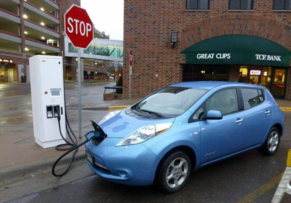
Have you been noticing more electric vehicles (EVs) on the roads these days? Or plugged into a charging station at a local grocery store or in a parking ramp?
Do you wonder why people choose to drive them? Here are some things to know about this new technology.
What is an electric car?
These are cars powered by electricity, stored in the battery, instead of gas. Some models are full-electric cars known as battery powered electric vehicles (BEV) and others are plug-in hybrid (PHEV) models powered with both electricity and gas.
Depending on the model, a full-electric car can travel 100 to 300 miles before the batteries need charging. The driving range per charge is expected to increase in future EV models. This is due to the addition of more on-board battery capacity as battery costs decrease.
[Read More]
MN Department of Commerce | September 19, 2018
It may seem early to start thinking of winter and the heating season. But for Minnesotans who struggle to pay their heating bills, now is the time to apply for financial assistance to help pay those bills.
Eligible Minnesotans are encouraged to apply for the state's Energy Assistance Program, which helps low-income households earning less than 50% of the state’s median income ($49,698 for a family of four).
More than 126,000 Minnesota households received energy assistance during last year's heating season. The average grant was about $545, paid directly to the household's utility or heating fuel provider.
[Read More] |
 Brainerd Dispatch | September 15, 2018
Mille Lacs Lake angler survey results show state anglers have taken walleye at levels far enough under the state's safe harvest allocation to pay back a harvest overage accumulated in 2016 and 2017, according to the Minnesota Department of Natural Resources.
The survey results through the end of August indicate catch rates were still quite good this summer, but were lower than last year.
According to a news release, DNR experts said the lower catch rates are consistent with reports from anglers of seeing more baitfish, as catch rates decline with increases in small-fish forage for bigger fish.
"It's good news that walleye anglers had lots of success on Mille Lacs and that we were able to stay under the state's allocation," stated DNR Commissioner Tom Landwehr in the release.
[Read More]
Farm Forum | September 18, 2018
Minnesota organic farmers and processors can apply for a rebate of up to 75 percent of the cost of their organic certification. The Minnesota Department of Agriculture (MDA) is accepting applications for the Minnesota Organic Cost Share Program from now until October 31, 2018.
Organic certification is a third-party verification system. It assures consumers the organic products they buy are produced in accordance with federal organic regulations. Organic operations must follow National Organic Standards and are monitored through review of their records and on-site inspections at least once a year.
“The yearly cost of certification can range from a few hundred to several thousand dollars,” said program administrator Cassie Dahl. “This program provides some relief and goes a long way to make organic certification more affordable.”
[Read More]
Money | September 2018
No. 10 — Woodbury, MN
Some crave urban bustle, some bucolic quiet — and others desire a bit of both. Woodbury, Minnesota, embodies that mix: It's home to 51 parks but sits just 15 minutes from St. Paul. Woodbury is one of the more affluent places on MONEY’s list, boasting a median family income of over $120,000. But homes are still affordable — below the median for the places analyzed this year — and both low unemployment and anticipated job growth make it a reliable destination for earners.
No. 28 — Lakeville, MN
Lakeville is aptly named — although the bodies of water that freckle this town, located 27 miles south of Minneapolis, would mean far less to the community without the parks that adjoin them. All together, Lakeville maintains 100 miles of walking and bike trails; in winter, it also cuts holes in the lake ice and provides hot cocoa for a youth fishing contest.
[Read More]
Star Tribune | September 18, 2018
Mayo Clinic plans to spend $190 million as part of a project to add 11 stories to the Gonda Building, a prominent building in Rochester that would become the city's tallest as a result.
The clinic would add four floors for patient care in the building, plus a seven-story hotel developed through a joint venture between Mayo and a company based in Singapore.
When the project is complete in 2022, the Gonda Building would stand 32 stories tall — growing from its current 305 feet to 490 feet, Mayo says.
[Read More] |