|
Star Tribune | August 22, 2018
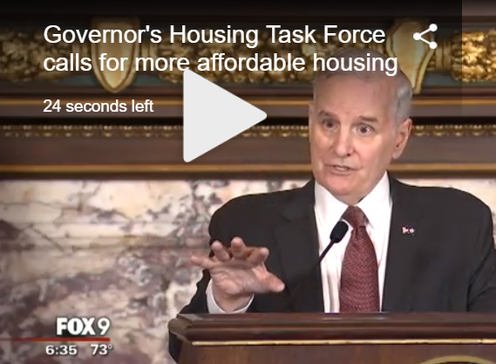
Minnesota needs to build thousands of extra homes per year to alleviate an affordable housing crunch, a problem state officials hope to tackle with a long list of possible solutions.
The scope of the crisis was laid out Tuesday by members of a task force, created by Gov. Mark Dayton last year, that presented a menu of 30 ideas that address the gap between the cost of housing and what Minnesotans can afford. The suggestions included additional state and local funding, reconsideration of government regulations, ways to grow the local construction industry, incentives for landlords and protection for tenants.
[Read More]
 WDIO | August 22, 2018
Housing has been a priority in Duluth for a few years. In December 2017, Gov. Mark Dayton made it a statewide priority as well when he created a housing task force.
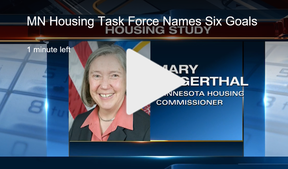
That task force revealed its final results today, and they were broken down into six goals: commit to homes as a priority, preserve the homes we have, build more homes, increase home stability, links homes and services, and support and strengthen homeownership.
Minnesota Housing Commissioner Mary Tingerthal said there needs to be a dedicated funding source for affordable homes in addition to the current available funding.
[Read More]
Pioneer Press | August 22, 2018
Gov. Mark Dayton on Tuesday unveiled a wide-ranging housing plan that calls for the construction of 300,000 new homes in Minnesota by 2030 and the creation of dedicated funding sources for affordable homes, among other proposals.
The report, which was drafted by a Dayton-commissioned task force, outlines 30 general recommendations aimed at increasing access to affordable housing, but provides little explanation on how the proposals would be implemented. Dayton and task force members discussed the housing plan during a Capitol news conference.
[Read More]
Finance & Commerce | August 22, 2018
Whoever wins November’s election for Minnesota governor will enter office with a list of proposals to address the state’s deepening housing shortage.
Gov. Mark Dayton on Tuesday joined members of his Task Force on Housing to release more than 30 recommendations to improve access, stability and affordability in Minnesota’s housing market.
The task force, established in December, is calling for new public-private partnerships, incentive programs, and a new dedicated funding source to stimulate residential construction and preservation across the state.
[Read More] |
 KARE 11 | August 22, 2018
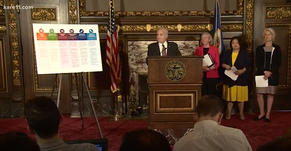
Last December, Governor Mark Dayton created the Governor's Task Force on Housing, traveling around the state for months and meeting with hundreds of people. Tuesday, they released their six goals.
[Watch This]
MPR | August 22, 2018
An affordable housing task force appointed last year by Gov. Mark Dayton is recommending broad changes in funding, technology and regulation to meet a statewide demand for affordable housing.
The 28-member task force made 30 recommendations and identified six goals to improve access to housing.
The report says economic growth depends on adequate affordable housing for workers, and that for the past decade Minnesota home construction hasn't kept up with demand.
The shortage of affordable housing now cuts across the state, from the Twin Cities metro to regional centers, to small towns with growing industries.
[Read More]
KSTP | August 22, 2018
The Governor's Task Force on housing released its final report Tuesday, along with 30 recommendations aimed at improving access to affordable homes in Minnesota.
The task force was formed last December, partially because more than 550,000 households in Minnesota now spend at least 30 percent of their income on rent or mortgage - a 58 percent increase since 2000, according to the state.
[Read More]
Mankato Free Press | August 22, 2018
A state housing task force says Minnesota needs to put more funding toward building and rehabilitating homes, which should include 300,000 new houses by the year 2030.
Gov. Mark Dayton's Task Force on Housing released its final report and recommendations Tuesday. The report comes after almost eight months of work among housing advocates, developers and financial experts to address a shortage of affordable homes for middle-class families across the state.
[Read More] |