June Nature Notes
Birding is a healthy activity, both physically and mentally, which is especially important these days. For additional inspiration, check out Top 10 Reasons to Be a New Bird Watcher by The Bird Watcher's Digest.
This is a great time of year to rise before dawn to hear the chorus of birds. Many are still singing exuberantly as they continue to establish bonds (some species have multiple clutches each year) and secure territories. The Minnesota Conservation Volunteer’s interactive Minnesota Bird Songs web page is a great way to learn the songs of 24 common backyard birds.
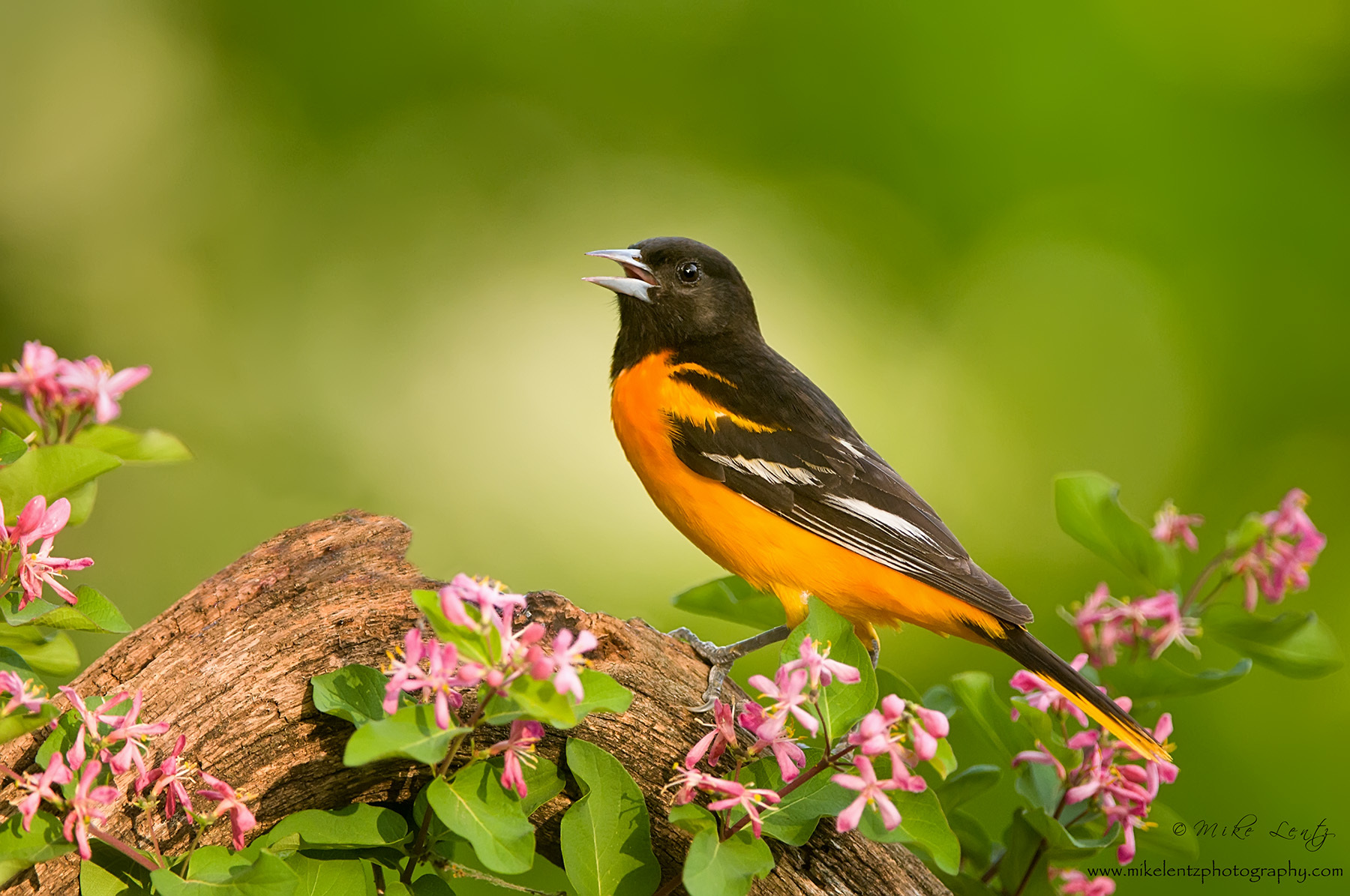
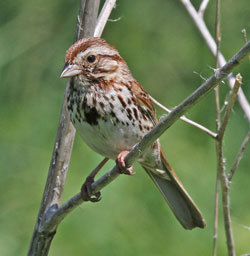
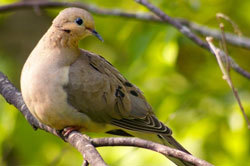
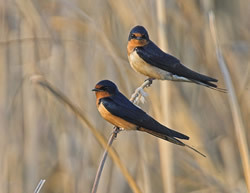
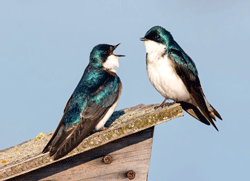
This is also the time of year to hear and see nestlings and fledglings, including Baltimore orioles, house finches, American robins, gray catbirds, chipping sparrows, house wrens, mourning doves, barn swallows and tree swallows. Listen closely for incessant chirping as nestlings plead for their parents to bring them food.
In early to mid-June, check the shallow prairie marshes for a variety of waterfowl and water birds along with their young. Look for swans, geese, rails, grebes, coots and ducks. The Prairie Wetlands Learning Center in Fergus Falls is an excellent location to view these birds. Also check lakes in the northern two-thirds of the state for newly hatched common loon chicks. They can often be seen riding on their parents' backs. Your chance of seeing these birds is good as Minnesota has more loons than any other state in the contiguous 48 states.
If you love loons, the Minnesota Loon Monitoring Program is a great way to get involved with wildlife studies on lakes near you. Volunteers are needed to visit each lake one morning during a 10-day period (late June through early July) to count the number of adult and juvenile loons. The observations are then shared with the DNR. Thanks to hundreds of volunteers, there is more than 20 years of data on more than 600 lakes. The DNR is also asking for help monitoring other species of birds associated with lakes, rivers or wetlands that are currently nesting, nest-building or with young. If you're interested in assisting, check out the DNR Nongame Wildlife Program.
Did You Know?
Occasionally, a nestling is found on the ground, inadvertently pushed out by their growing siblings. Fledglings, too, may be discovered out of their nests as they attempt their first flight. While our first instinct is to intervene, it may be best to leave the bird alone. According to the Wildlife Rehabilitation Center of Minnesota, featherless birds need to be in a nest. If possible, try to locate the bird's nest and carefully replace it — the parents will not reject it due to human contact or scent. If you cannot locate its nest, leave the baby bird on the ground so the parents can find it and continue providing care. Fledgling birds, however, often leave the nest before they are able to fly. If found, these fledglings should be left alone since their parents are usually watching them carefully. If you determine that a baby bird has been injured, please consult with a Wildlife Rehabilitator near you.
The University of Minnesota Raptor Center recommends leaving fledgling raptors alone since they are often unsuccessful on their first flight. They may remain on the ground a few days while strengthening their wings. However, if it appears that the fledgling is hurt and needs assistance, then please contact the Raptor Center for advice.
Fun and Educational Activities
Listen to Out There with the Birds podcasts brought to you by the Bird Watcher's Digest.
Check out the DNR's EagleCam to see the young eagles (now the size of adults!) flapping their wings and perching on nearby branches to gain strength and prepare for fledging.
Learn to identify birds without seeing them through Birding by Ear from the Bird Watcher's Digest.
Discover some of Minnesota's birding hot spots at the Audubon Society's Birding in Minnesota.
Recent Bird Sightings
Check the Minnesota Ornithologists' Union web site for recent bird sightings and rare bird alerts.
For additional information, consider joining the Minnesota Birding community on Facebook.
|