
Explore Minnesota Weekly Fishing Update - Sept. 5, 2019
Explore Minnesota sent this bulletin at 09/05/2019 04:10 PM CDT| Having trouble viewing this email? View it as a Web page. | |||
     
|
|||
 |
|||
| Explore Minnesota Weekly Fishing Update - Sept. 5, 2019 | |||
 |
|||
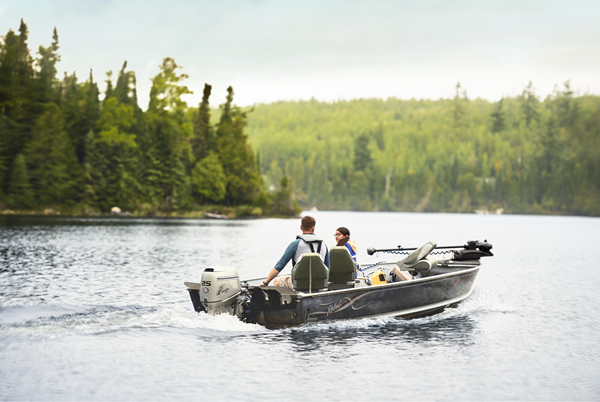
Fishing on Loon Lake / Roy Son |
|||
|
Fewer anglers are heading out, but those that do are taking lots of nice fish. Fall is in the air, and the fish are transitioning to fall patterns. Fishing should only improve up until the lakes begin to freeze over. For rules, regulations and other helpful information on fishing in Minnesota, consult the DNR's Fish Minnesota web page.
[Northeast] [Northwest] [Central] [Minneapolis-St. Paul Area] [Southern]
Northeast MinnesotaInternational Falls - Rainy Lake & the Rainy River Walleye anglers on Rainy Lake continue to take fish from 25 to 35 feet of water at the submerged reefs. Jigging with live bait is best, but if the wind picks up, slowly trolling with a spinner rig is the way to go. The series of reefs from Sand Bay to the Brule Narrows have been the most popular. Crappies are starting to hit in the west end of Black Bay and up into the Rat Root River. Crappies are also responding jigs with live bait, but anglers will need to use smaller hooks and bait than for the walleye. Northern pike are becoming more aggressive as water temperatures cool overnight. Anglers fishing for crappies in Black Bay are taking an occasional northern pike. Hot spots east of the Brule Narrows are along the south shore from Saginaw Bay to Kempton Channel. 800-325-5766; www.rainylake.org Ely Area Lakes and Rivers This is the time of year that the more serious anglers head out to take advantage of some of the best fishing of the year. Walleye fishing has been best in the shallower flats of area lakes, but as the water cools, these fish will drop down in the water column to more comfortable water temperatures. Crawler fishing is a great bait option, but over the next few weeks, walleye will turn their attention to bait fish. Larger minnows (when available) will be a good choice, as well as trolling or casting larger crank baits. Smallmouth bass have been responding well to surface lures and floating/diving lures. This should remain true as long as water temps stay in the 60s. When the water cools further, it's time to break out the sub-surface tackle. This is when soft baits such as crawfish and senko-style worms or tubes will become the go-to baits. Begin fishing shallow rock piles and work progressively deeper until you locate fish, then concentrate your efforts on that depth range. Large northern pike have been smashing larger crank baits and spinners at drop-offs adjacent to weed edges or rocky points. Crank baits in the six to eight inch range are great for attracting these voracious predators. Now until the ice begins to form is usually the optimal time to catch giant pike. Stream and lake trout action has been very good, with a greater number of anglers turning their attention to these hard-fighting species. Lake trout are readily taking large crank baits and spoons in waters from 35 feet all the way down to 60 feet. A dipsy diver will get your bait down into these areas as long as you have a stout enough rod. This is a great tool to use when you don't want to invest a lot of money in downriggers. Stream trout, on the other hand, require very little investment in tackle. One of the most productive ways to catch stream trout is to troll or cast a small crank bait, spoon or spinner in 10 to 15 feet of water. A small split shot will allow you to fish even a floating lure at ten feet down or more, depending on how deep you want to run. Watch your electronics to find the right depth. It's not necessary to be exact as the fish will rise to strike. 800-777-7281; www.ely.org Duluth - Lake Superior, St. Louis River and inland waters Fishing pressure will decrease this fall as hunting and football become the focus for many. Avid anglers will continue to head out since fall is arguably the best time of year to fish. Cool mornings and warm afternoons make for very comfortable angling, and flies and mosquitos are at a minimum. Anglers are already enjoying to start of a great fall bite. Despite recent high winds and waves on Lake Superior, fishing remained good and consistent. Brightly colored spoons and stick baits are turning some nice lake trout in a variety of areas and depths. On bright, sunny days, the best bet is to fishing the deeper waters using downriggers. Some anglers, however, are getting fish to bite on lead or copper. Bright orange and yellow have worked best. Some large steelhead are coming from waters 60 to 150 feet deep. On the South Shore, anglers continue to take walleye when trolling stick baits behind planer boards. Stream fishing continues to improve, with fish becoming more active with the dropping temperatures and recent rainfall. On the St. Louis River, anglers are doing well when working the transitions areas from shallow flats to deeper water. Larger profile baits are turning the larger fish, but time between bites can be long. Fish in the inland lakes are reacting to autumn conditions. They remain on active on various mid-lake structure including, but not limited to, the sunken islands, lumber, rock piles, points and bars. Some fish are starting to migrate back toward the water inlet and outlets so don't hesitate to try these areas as well. Fan-casting the shorelines has been good for some northern pike and bass. As water temperatures continue to drop, live bait will be necessary. 800-438-5884; www.visitduluth.com Grand Rapids The crappies have begun there fall migration to deeper water where food is abundant and their pre-winter locations are nearby. Lakes such as Big and Little Splithand, Cutfoot Sioux, Jay Gould and Spider have good populations of crappies that are starting to move deeper. Since they feed on grubs and daphnia, a small 1/16 to 1/8 ounce jig with a small chub or plastic will put crappies in the boat when vertically jigged beneath the boat. Electronics are key to finding schools of crappies. Bluegills also are moving off shore. A small jig and wax worm or plastic is all that is needed for a bunch of nice panfish. Light tackle, ultra-light rods and 4# test monofilament line are best for both species. Fall is a great time of the year to catch lots of nice-sized crappies and bluegills. www.visitgrandrapids.com Northwest MinnesotaBaudette - Lake of the Woods & the Rainy River On the south end of Lake of the Woods, good numbers of walleye can be found staged in 28 to 31 feet of water. Some shiners are starting to run up the river, and walleye are being taken near the Lighthouse and Morris Point gaps. Trolled crank baits, and spinners with crawlers have been the most effective. Some anglers are also having success when anchored and jigging. Emerald shiners are showing up in the Rainy River. Numerous reports of nice walleye are coming from anglers fishing Four Mile Bay and various parts of the river. Snelled spinners and jigging in 14 to 16 foot depths have been best. Walleye anglers report great fishing up at the Northwest Angle. Anglers having the most success are using gold and orange spinners with crawlers or minnows in Little Traverse Bay, on the flats near the islands and in funnel areas between islands. Pulling crank baits and jigging are also turning fish. The crappie and perch bite is picking up. Muskie anglers continue to take large fish. 800-382-FISH; www.lakeofthewoodsmn.com Bena - Lake Winnibigoshish Northern pike are being taken on spoons worked at the 10 to 12 foot weeds along the south and west ends of Lake Winnibigoshish. Walleye action has picked up, with crawlers or minnows on spinners working well on top of the bars in 12 to 15 feet of water. During midday hours, works the edges in 25 to 30 feet of water. Look for perch in 6 to 12 feet of water on the west side points, Snaghole, and Rich’s Townsite. www.lakewinnie.net Hackensack Walleye fishing has picked up throughout the area. Water temperatures are dropping, and the fish are stacking up on the structure. Jigging raps have been a great way to target schools of fish. The best depths on most area lakes have been 15 to 20 feet. A jig and red tail minnow has been the most productive in these depths. Muskie fishing remains excellent. Most anglers are having success using rubber and jerk baits, but buck tails have also been effective. Top water lures should turn fish very soon. The smallmouth bass have moved to the breaks adjacent to the rock flats, and hair jigs and swim jigs have been working extremely well for anglers. These fish are aggressive. 800-279-6932; www.hackensackchamber.com Park Rapids The waters are cooling and the fish are starting to school and feed heavily in preparation for water. Nice eating-size walleye are showing up more frequently in daily catches. A live bait rig tipped with a rainbow chub is hard to beat, especially in 12 to 18 feet of water. Northern pike are hitting white bass spinner baits trolled over the tops of the weedy flats at roughly 1.5 mph. Crappies are starting to leave the weeds and head towards deeper mud flats in 20 foot depths. Anglers having the most success are using a 1/8 ounce jig tipped with a crappie minnow or a fathead. 800-247-0054; www.parkrapids.com Central RegionOtter Tail Area Lakes Fall is in the air, and fish are transitioning to fall patterns. While some of the panfish remain in the weeds, others are moving to the mud basins. Two ways to catch panfish are to troll northland thumper jigs through the cabbage or pulling a three-way rig and small crank bait in the basin areas. Walleye are also moving, and can be found at the steep breaks, saddles and points. Anglers are having success using bottom bouncers and spinner rigs to cover water and locate fish. Once a school of walleye is found, the key is to slow down and either jig or throw a puppet minnow. Muskie fishing is excellent, and should only get better until ice up. A lot of fish are moving back into the shallow weeds so buck tails and topwater lures are best. Don’t put the boat away yet! 800-423-4571; www.ottertailcountry.com Brainerd Area Lakes Water temperatures have dropped and fall walleye patterns are taking hold. Some fish can still be found in the weeds, but the best bites have been in 16 to 25 foot depths on lakes throughout the area. Red tails and shiners have both worked well, but anglers shouldn’t put the crawlers away just yet. A good night trolling bite is still going strong and will only get better as water temperatures cool further and the weeds begin to die off. Crappies are active and can be caught using plastics, crank baits and crappie minnows. Bluegill action is very consistent with split shot and one-half of a nightcrawler on a hook being the best tactic. Northern pike are very active and can be caught when trolling big spinner baits, wood and big suckers along the weed lines. 800-450-7247; www.visitbrainerd.com Minneapolis-St. Paul AreaThree Rivers Park District - Carver, Hennepin, Ramsey and Scott counties The Three Rivers Park District offers fishing at 18 parks in the Twin Cities area with a chance to reel in muskie, northern pike, sunfish, bass and walleye. Launch your boat at a lake access site, rent a boat or stay on land as you fish from a pier or on shore. There are also free fishing adventures. Learn more! Southern MinnesotaLanesboro/Preston - Southeast Bluff Country Rivers and Streams According to the National Tour Center, cooling temperatures, mostly clear streams and only a chance of rain moving in on Sunday will make this another great weekend for great trout fishing! Fly anglers will do well with terrestrials, muddlers, wooly buggers or nymphs. Dry fly anglers may find a hatch of blue-winged olives or midges. With the cooler temperatures this summer, the inverts are gone. As of Sept. 5, Lanesboro Fisheries reports that most streams are clear with a normal flow. Hoppers are hopping, and some caddis are being observed on streamside vegetation. Fly anglers are encouraged to check out Free Fly Tying Fridays at the National Trout Center in Preston. For years, the MN DNR has maintained assessable fishing sites in Whitewater State Park, near the Lanesboro Hatchery on Duschee Creek, and at the Lanesboro Park and Dam. Online maps are available. Before you go, check out the DNR’s Stream Flow Report for the most current conditions, as well as the "Area Highlights" section of the Lanesboro Area Fisheries web page for stream maps. 800-944-2670; www.lanesboro.com Ortonville - Big Stone Lake Late last week, the perch bite was exceptional on Big Stone Lake. Anglers having the most success used spikes and minnows in 13 feet of water. Anglers also reported good bluegill and walleye action. 320-839-3284; www.bigstonelake.com
Be sure to visit the Explore Minnesota Fishing & Hunting page for information to help you plan your next Minnesota fishing trip! Subscribe here to receive any or all of Explore Minnesota Tourism's updates by email.
|
|||
|
Have something else in mind? |
|||
|
|||
 |
|||