|
Welcome to our monthly update, where we highlight the latest developments, initiatives and exciting changes from ECN. This update aims to keep you informed and engaged with what's happening within our team.
Subscribe here.
ARMER Grant Awards
ARMER grant award contracts started November 1, 2024, and will end on June 30, 2026. With one year still to go, the program has been very successful in providing emergency communication equipment to first responders across the state of Minnesota.
Successes include:
- No expected turnback money has been reported from grantees – all selected grantees plan to fully use funds they were awarded.
- To date, there were over $1.2 million in grant funds spent out.
- There's a 5 percent local match required by the grant and many entities opted to apply additional local funds to complete their projects. The grant has so far been effective in supporting $1,804,180.79 total in project costs towards upgrading or replacing ARMER radios and accessories.
- One standout grantee is Eagles Nest Township, who has been very engaged with the grant program. During the recent wildfires in Northern Minnesota, Mike Ostlund shared with ECN how critical the new radios – purchased through this grant – were in connecting first responders on the ground. This is a strong example of how grant funding can directly enhance emergency response to make a difference in our communities.
A summary of the grand award is posted on the ECN website and Rebeccah Roberts is the point of contact for any questions or additional information.
|
NENA Conference Summary
National conferences like NENA offer 911 stakeholders an excellent opportunity to learn and grow. During the week of June 23-26 thousands of 911 professionals from across the country gathered in Long Beach, California, to network, discuss hot topics, and share ideas. It doesn't matter if you're a newly hired Public Safety Telecommunicator (PST) or an experienced PSAP leader; there's something for everyone at one of these conferences. Key takeaways include:
- Next Generation 911 is here. What was once a concept is fast becoming a reality. 911 authorities and PSAPs across the country are implementing network infrastructure and PSAP technology to leverage NG911 capabilities. Here in Minnesota, ECN is actively working towards the next steps in the NG911 transition.
- It is important to note that technology is a double-edged sword and the desire for technological innovation must be balanced with the need for robust cybersecurity measures.
While technology is exciting, 911 is really about people. Whether it's the 911 caller, the PST under the headset, the vendor supplying the technology, the IT or GIS professional supporting the PSAP, or the officer, firefighter, or paramedic responding to the call, the common denominator is the people making the 911 system work.
Later in July, ECN will be hosting a webinar to discuss these insights and more. Stay tuned for more information.
|

911 Outages
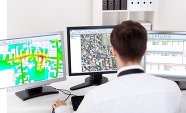
ECN is aware that PSAPs have been receiving an increased volume of outage reports from telecommunications service providers, which can at times be overwhelming. This uptick stems from recent changes to federal reporting requirements. We raised this concern at a recent conference and were informed that the issue is currently under review by the FCC.
|
 |
|
GIS Grants
ECN published a request for proposals (RFP) for grant applications to the Digital Geographic Information System (GIS) Mapping for School Facilities program in April 2025. This program provides an opportunity for grant funding to the regional emergency communications boards to accomplish digital GIS mapping for school facilities.
Award letters went out on June 30.
About this grant:
- Amount: $7 million
- Source: 911 Special Revenue Fund
- Eligible applicants: Regional emergency communications boards
- Use: Digital GIS mapping for school facilities
- Timeline: June 30, 2025 - June 30, 2026
|
Text-to-911
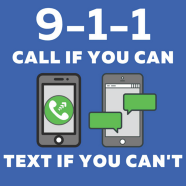
Please continue to remind residents that they can text-to-911 across Minnesota when calling isn’t safe or possible. Text-to-911 is a critical tool for individuals who are deaf, hard of hearing, speech-impaired, or in situations where speaking out loud could put them in danger, like during a home invasion or active threat. Remember, “Call if you can, text if you can’t.” Let’s continue to spread the word to ensure everyone knows about this lifesaving help.
|
|
 |
Did you know?
Get to know your ECN staff
911 Program Support Coordinator
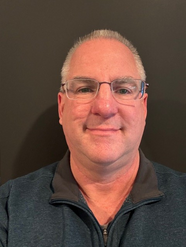
After retiring from a 26-plus year law enforcement career with the Hennepin County Sheriff's Office, Steve joined the ECN team in September 2018. In his role as a contractor, Steve supports regional and state level governance, the 911 program, and other activities related to the state’s ongoing transition to NG911 capabilities. Steve’s educational background includes a bachelor's degree in law enforcement, a master's degree in emergency management, a graduate certificate in organizational and change leadership, and project manager certification from the Project Management Institute. Steve lives in the Brainerd Lakes area with his wife and two dogs.
|
|