In this issue:
- OTS: Protect yourself, your loved ones by parking the phone and paying attention while driving
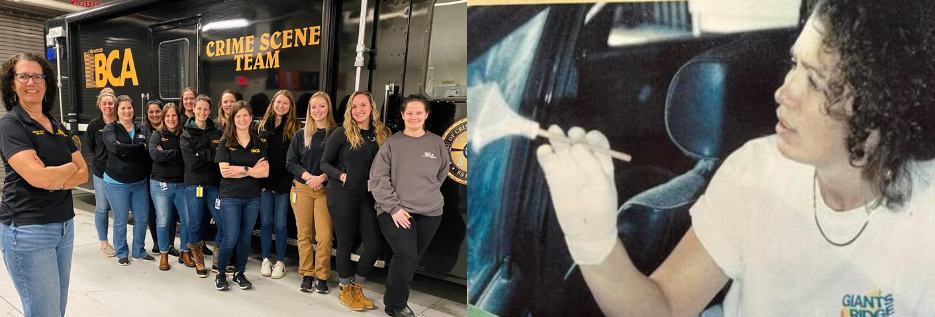
- BCA: New electronic process coming soon for processing warrants for searching electronic devices
- Commissioner's corner
- Featured social media
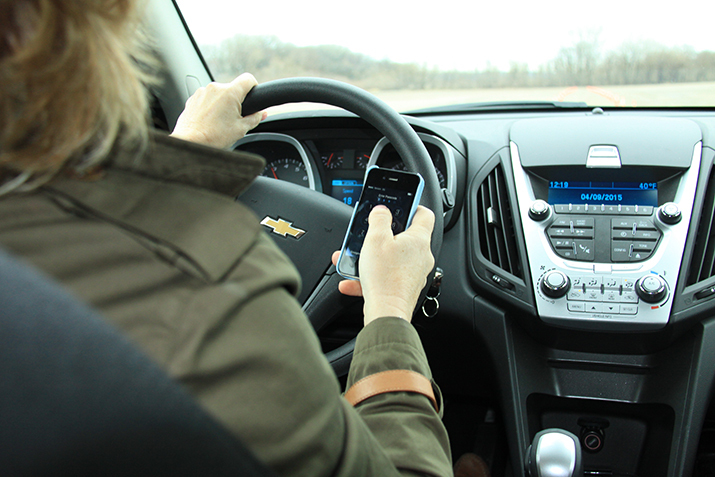
You see it, and it's so aggravating. That vehicle ahead of you, slowly drifting in and out of the lane and onto the shoulder. You notice the driver holding their phone, actively engaged in conversation, or they're looking down, glancing up occasionally to check the road.
Tragically, distracted driving is more than just an annoying behavior. It's killing and seriously injuring people across Minnesota and leaving devastated families behind. The stories are heartbreaking.
- In June 2014, a driver picked up his cell phone to make a bank transaction while driving in Rock County. His distracted choice led to the crash that killed Andrea Boeve, a mother of two who was bicycling with her young daughters.
- Joe Tikalsky of New Prague was getting the newspaper from his mailbox across the road when a distracted driver killed him in October 2015.
- Chad Popp, a farmer from Rice, was hit head-on by a distracted driver using a cell phone in May 2016. The crash broke 36 bones in his body.
If you're tempted by distractions while driving, whether it's your phone, the radio, the coffee in your hand or simply daydreaming about the weekend – stop. Think about Andrea, Joe and Chad and what distracted driving did to them and their families. Think about your mom, sister, dad, son or best friend. What would happen to your world if you lost them because someone simply wasn't paying attention while driving?
In Minnesota, distracted driving contributed to nearly 30,000 crashes and an average of 29 deaths and 146 life-changing injuries a year from 2019-2023 (preliminary figures).
Enforcement and awareness efforts can help promote safety, prevent tragedy and change dangerous behaviors. Starting today and running through April 30, officers, deputies and troopers across the state are putting in extra hours, looking for distracted drivers.

Evidence found on lawfully seized electronic devices can provide valuable leads that can help investigators locate abduction victims, document human trafficking activity, identify co-conspirators in homicides, identify threats to schools or religious facilities and much more.
Here are just a few examples:
- Browsing history can help investigators know whether a crime was committed in the heat of the moment or methodically planned in advance.
- Social media interactions can help investigators establish a timeline of a victim’s activities prior to their death.
- Forensic analysis can help investigators identify the source of malware or spyware used in committing cybercrimes.
- Geolocation data can corroborate or refute alibis.
What does that look like in a real case?
The snow is melting and warmer temperatures are on the horizon. That might mean you're itching to get some gardening or yard projects done.
Whether you are doing something small like planting flowers or large like building a deck, our Office of Pipeline Safety (OPS) asks you to call 811 before you dig.
Underground utilities like natural gas lines can run inches from the surface and be ruptured with a shovel or other household tools. Hitting a line could cause an outage, property damage or the worst-case scenario — an explosion. You want to call 811 or file an online ticket now, so you don't have to call 911 later.
Even hitting a cable or internet line could be risky. Imagine not being able to work remotely, run a home business or attend online classes.
Calling 811 or filing an online ticket before you dig is not only the best way to stay safe, it's the law. To dig safely — and legally in Minnesota — you need to do three things:
- Call 811 at least two business days before you dig.
- Mark your yard so the locator knows where you're digging and can mark the utilities in your yard appropriately.
- Respect the locate marks and hand-dig carefully around them.
|