Connected and Automated Vehicles
 Mobile Ads Improve Work Zone Communication
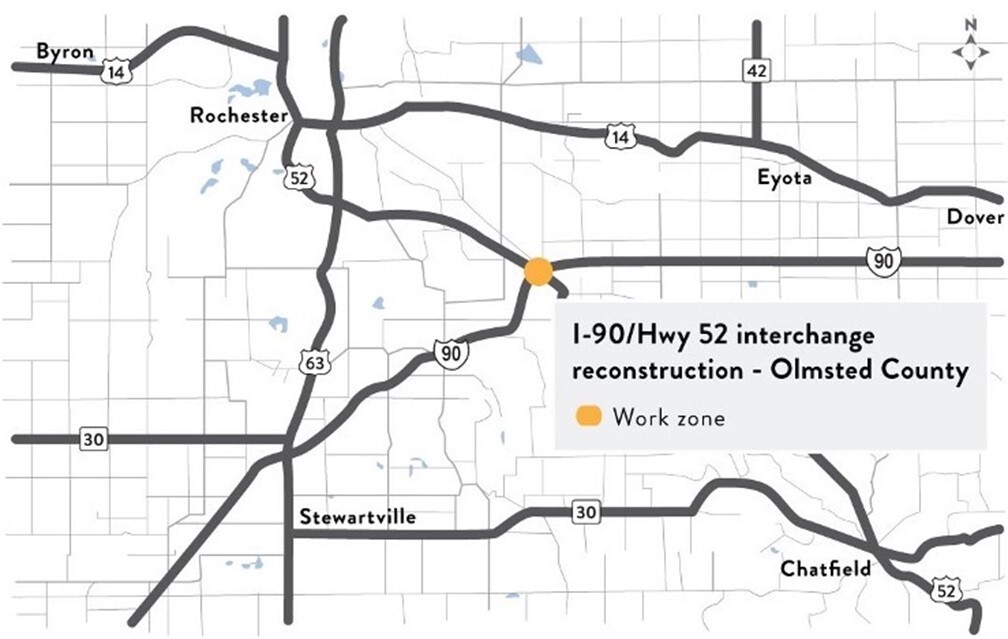 A recently completed a research project explored the use of geofence-based mobile advertisements to alert drivers about upcoming work zones. This innovative approach added another layer of outreach for local and regional travelers, sharing project information through digital ads on popular websites and social media platforms they already use on their phones. Messages appeared as regular ads after a driver passed through a targeted area, not as text messages, so they didn’t interrupt anyone while driving.
This project aimed enhanced safety by giving drivers advance notice to adjust travel times and routes, reducing frustration and improving work zone safety. Additionally, the strategy supported efficiency by lowering traffic volumes, which can help prevent long delays and reduce crash risks.
Field trials confirmed that geofence marketing is a cost-effective, efficient addition to MnDOT’s communications toolbox, helping reach commuters who traveled through construction zones, not just people who lived nearby, and expanded beyond traditional mailings and media announcements.
Validating 511 Data Accuracy for Safer Travel
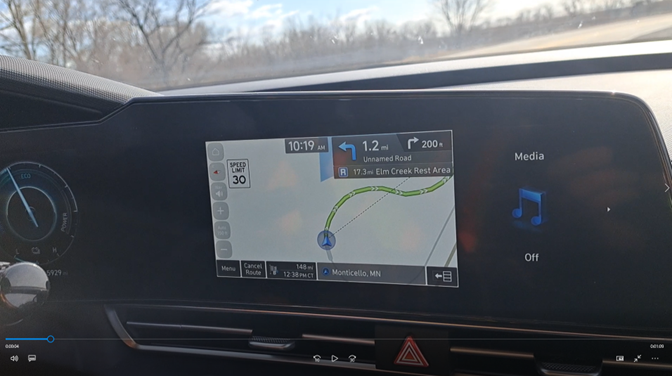
MnDOT completed a one-day closed-circuit test at the MnROAD facility to validate the accuracy of traveler information shared through its 511 system on third-party platforms like Waze, Google Maps, and Apple Maps. The goal was to ensure timely and accurate broadcasting of lane closures and work zone data to improve safety, efficiency, and equity for all users. The test also supported broader goals of building trust and readiness by confirming public expectations and identifying areas for improvement without impacting live traffic.
The project revealed that Waze and MnDOT’s 511 app were the most accurate, while Google Maps showed significant delays and in-vehicle systems often failed to display helpful information. These findings will guide MnDOT’s next steps, including working with third-party providers to improve data speed and accuracy, updating data sources, and repeating similar tests in the future. This effort strengthens MnDOT’s commitment to providing reliable, real-time traveler information and enhancing safety across Minnesota’s roadways.
What Do Young People Think About Automated Vehicles?
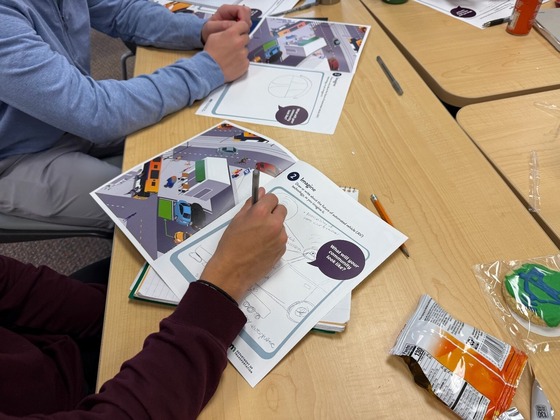 The MnDOT Connected and Automated Vehicle team is hitting the road—this time to listen. Through a new public engagement project, the team is visiting high schools across Minnesota to hear directly from teens about automated vehicle (AV) technology.
Why teens? As AV technology evolves, today’s high school students will soon become drivers—and their perspectives matter. The team is hosting listening sessions in five schools representing urban, suburban, rural, and tribal communities to capture a wide range of voices.
Students learn about CAV technology and potential use cases, then dive into workbook activities and questions like:
- How could this technology benefit your community?
- What concerns do you have?
- How comfortable are you with AVs?
Early insights show excitement about accessibility benefits for youth, older adults, and people with disabilities, as well as time savings and efficiency in commuting and deliveries. At the same time, students raised concerns about safety, privacy, and job impacts.
This effort builds on MnDOT’s statewide CAV survey, which gathered input from over 1,000 Minnesotans earlier this year. Listening sessions will continue into early 2026, with findings and recommendations on youth engagement best practices expected next spring and summer.
AV Policy Themes: A New Tool for Decision-Makers
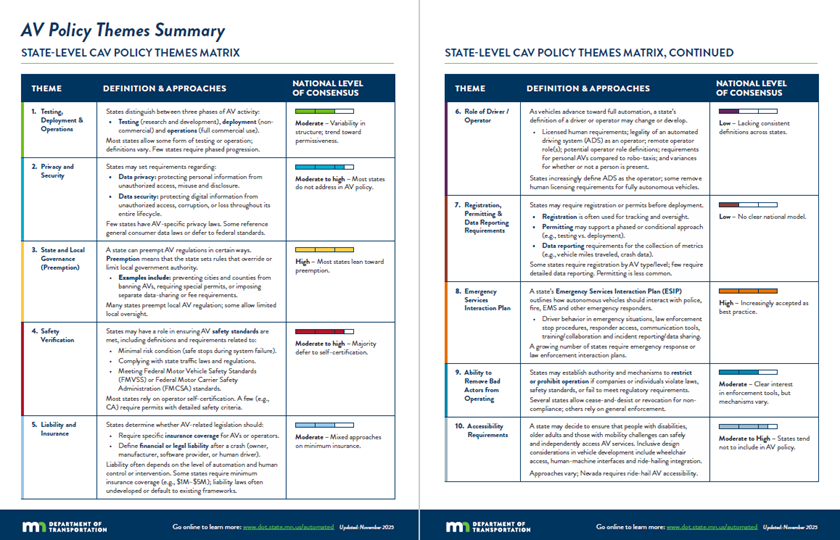 As Minnesota and other states prepare for the safe and equitable deployment of AV technologies, a new resource—Automated Vehicles: State-Level Policy Themes—summarizes key policy questions and options drawn from national trends. Based on interviews with 20 states and more than 50 AV industry stakeholders, the document outlines 10 core themes, including safety verification, insurance, operator definitions, law enforcement interaction, and more. Rather than prescribe a single approach, the resource offers structured summaries of how states are balancing innovation with public safety, oversight, and transparency. This tool is designed to support Minnesota policymakers and stakeholders in crafting informed, values-driven strategies for the future of transportation.
Upcoming CAV Events
|