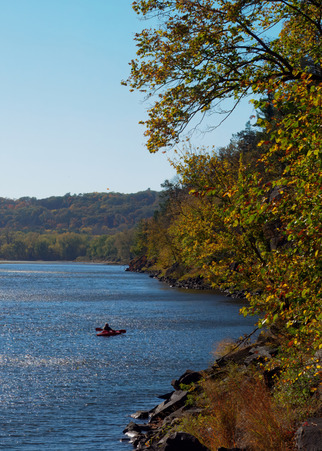
Lac qui Parle State Park
A birding paradise in southwest Minnesota.
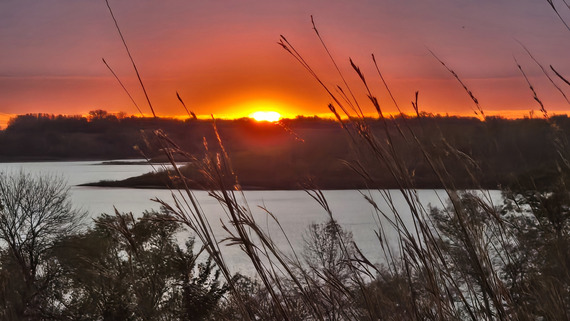 📷: Park staff, 10/8/25
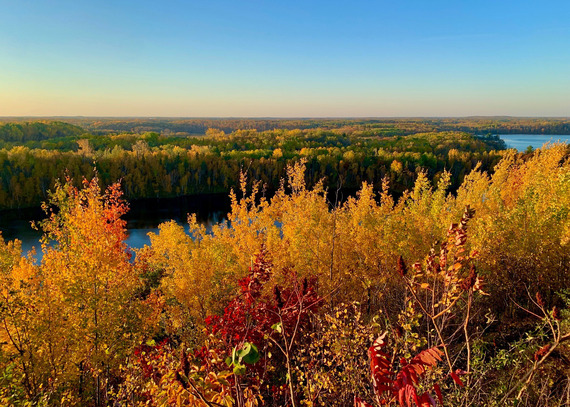
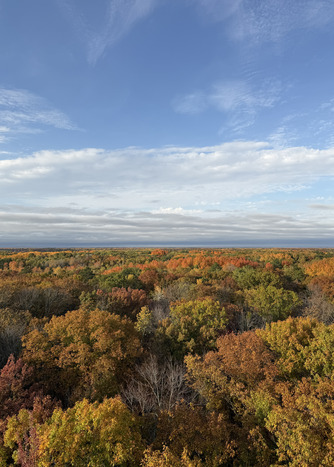
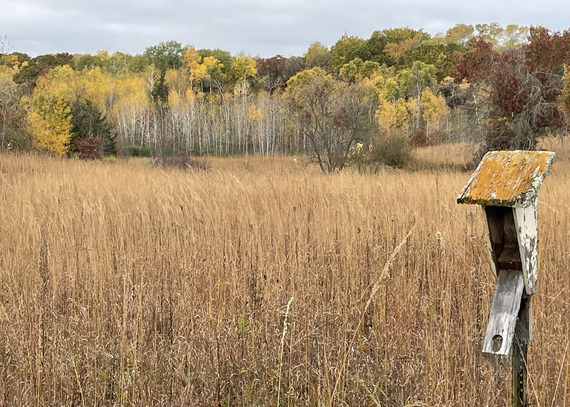
At Lac qui Parle State Park, even the sky bursts with color. Birds of all hues and sizes soar above the golden prairies and flutter through the tall amber grass. The park is a must-see for birders and color seekers alike. Be sure to bring your bird checklist when you visit!
The park sits among some of the best habitat for many types of birds. The surrounding prairies and forests provide cozy nesting grounds for resident birds while the wetlands attract migrating waterfowl by the thousands.
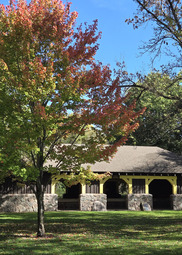
Planning to stay a few nights while adding to your life list? The campground at Lac qui Parle has camper cabins and hot showers. The campground also boasts a beautiful view along its western edge where a steep ridge overlooks the Lac qui Parle Lake. From the three walk-in sites along this ridge, you can watch the colors fade into each other as they move up towards the hilltop prairie from the water’s edge.
Be sure to take the wooded trails from the campground to the record-holding eastern cottonwood tree. There, you'll find a cacophony of chirps and whistles coming from the lively critters who call it home.
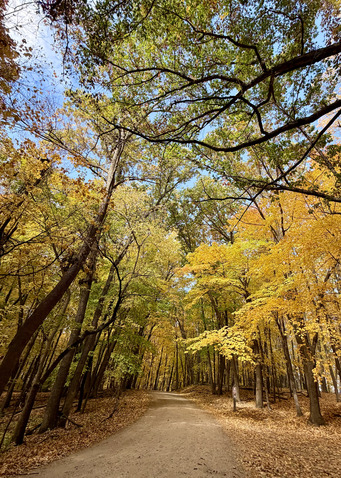
There’s plenty more to explore in the lower unit of the park. Most of the park’s trails can be found in the shade of the large trees that stand near the confluence of the Minnesota and Lac qui Parle rivers.
Lac qui Parle is also surrounded by several thousand acres of wildlife management areas. Many of these spots are highlighted on the Lac qui Parle WMA birding tour and can only be reached by driving on secluded dirt roads. If you plan to explore these areas beyond the park, keep safety top of mind. Be aware of hunting in the area and wear blaze orange or blaze pink to increase your visibility.
|
 |
 |
Luce Line State Trail
Your perfect day trip option near the Twin Cities.
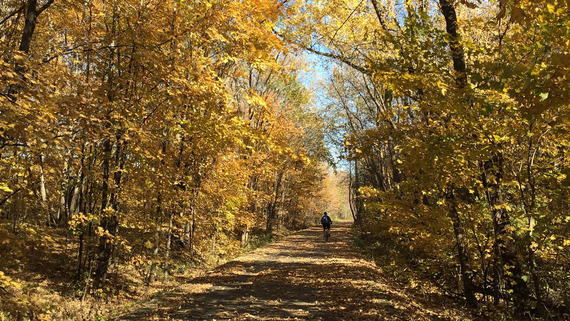 📷: Roman Bloemke, 10/6/16
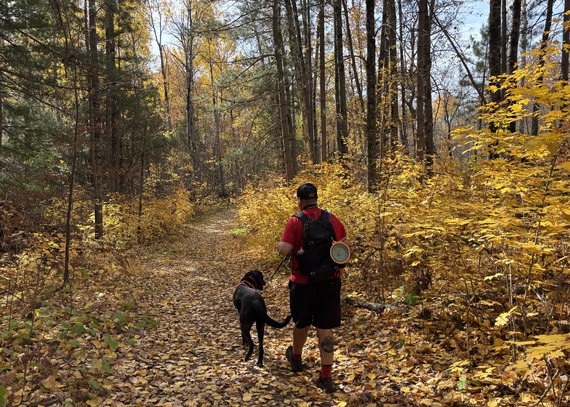
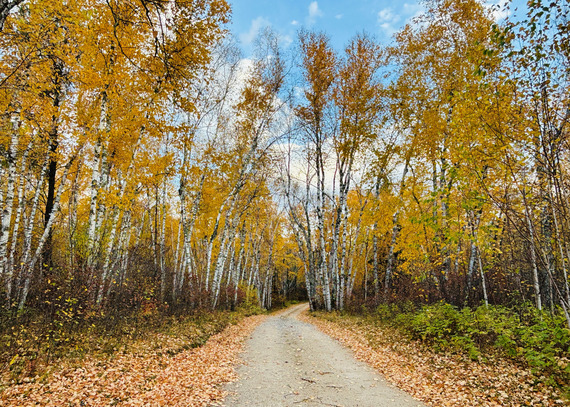
Whether you're looking to walk, ride or roll this fall, the Luce Line State Trail has something for you. This former railroad route stretches more than 60 miles from Plymouth to Thompson Lake near Cosmos, passing through colorful hardwood forests, open prairie and farmland along the way. With multiple parking areas and restrooms along the trail, you can choose your own starting point and explore as much or as little as you'd like.
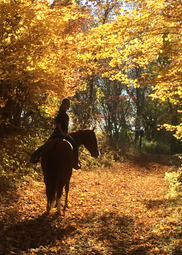
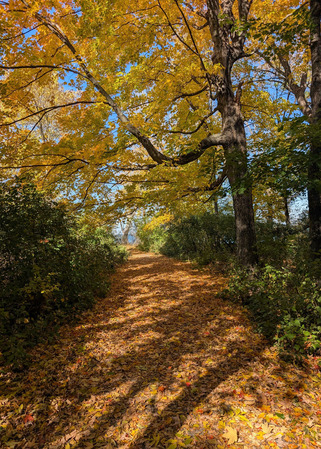
For a classic fall color walk, explore the eastern portion of the trail, where maple-basswood forests bring vibrant reds, oranges and yellows to the trail corridor. Try the Vega Avenue trail access west of Watertown, where wooded stretches offer plenty of opportunities to enjoy the season.
Prefer to explore on two wheels? The Luce Line is a great destination for gravel biking, with miles of crushed limestone from Plymouth to the McLeod-Carver County line and crushed rock from Hutchinson to Cedar Mills. As you pedal west, the wooded scenery gives way to remnants of tallgrass prairie, where grasses and other plants turn shades of gold, bronze and rust.
Horseback riding is another way to experience the trail. A separate horseback riding trail runs alongside the crushed limestone section from Plymouth to the McLeod-Carver County line, giving riders a chance to enjoy the fall scenery from the saddle. Before heading out, be sure to pick up a Horse Pass, which is required for riders age 16 and older.
For those looking to venture farther west, the trail becomes increasingly rural beyond Hutchinson. The surface transitions from crushed rock to stretches of mowed grass between Cedar Mills and Cosmos, then returns to crushed rock on the way to Thompson Lake County Park. Here, open prairie and farmland offer expansive views of the changing season.
Whether you're walking beneath colorful trees, pedaling through the countryside or enjoying a ride on horseback, the Luce Line offers plenty of ways to follow fall across central Minnesota.
|
|
 Wild Turkeys
The great turkey comeback.
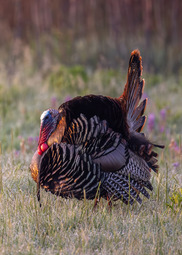
If you spot a flock of wild turkeys wandering through a Minnesota woodland (or parking lot), you’re looking at a wildlife comeback that started with just 29 birds. In the early 1970s, Minnesota traded 85 ruffed grouse to Missouri for 29 wild turkeys, which were released in southeastern Minnesota. Once rare in Minnesota, wild turkeys gradually expanded across the state and have become a common sight throughout southern, western and central Minnesota.
Adult males, called toms, can be recognized by their dark, iridescent feathers and fan-shaped tails. Hens are smaller and more muted in color, which helps them blend in as they nest on the ground.
In fall, family groups gather into larger flocks and spend their days searching for acorns, seeds and other snacks along forest edges. One of the easiest times to spot wild turkeys is near dusk, when they fly up into trees to roost—a surprisingly goofy sight if you’re not expecting a big turkey overhead.
|
|