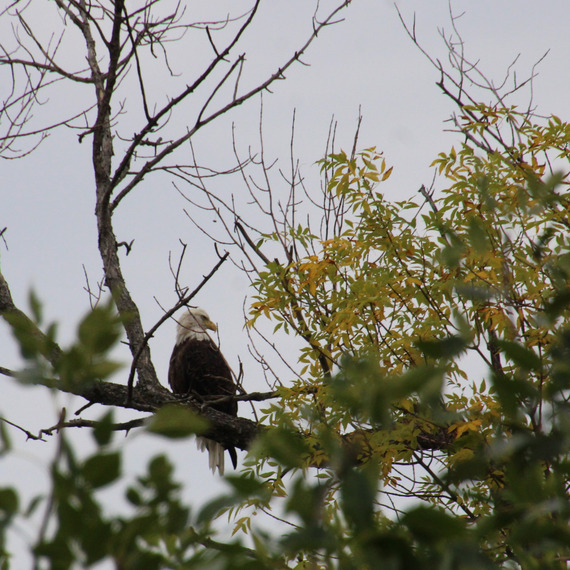
Big Bog State Recreation Area
Walk the boardwalk this fall!
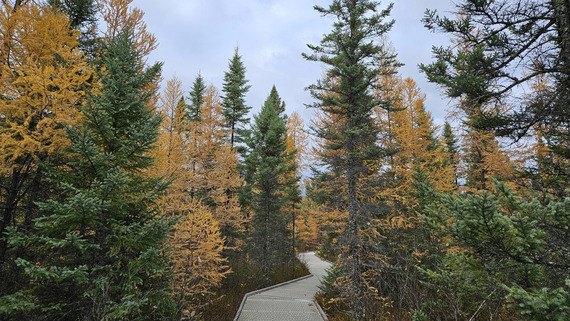 📷: Heidi Rice, 10/21/21
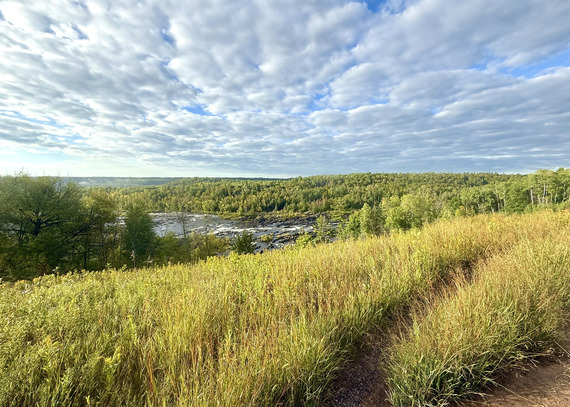
Fall colors first start to appear in northern Minnesota, and Big Bog State Recreation Area in Beltrami County is the perfect spot to watch the season unfold. Established in 2000, Big Bog protects 500 square miles of peat bog, the largest in the lower 48 states.
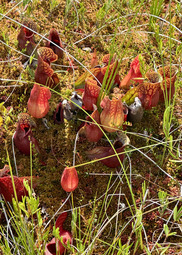
Start your visit in Big Bog’s northern unit with a stroll along the mile-long boardwalk; look for signs of fall arriving in the bog, including sphagnum moss and pitcher plants turning red. More than 300 species of birds call the bog home, so be sure to bring your binoculars to search for three kinds of grouse (ruffed, spruce and sharp-tailed), as well as great gray and northern hawk owls. Plus, keep an eye out for other local wildlife, including black bear, white-tailed deer, moose, foxes and beaver.
Next, head about nine miles south to Big Bog’s southern unit for a stop at the visitor center’s exhibit area to learn more about the unique plants, animals and fish found in Upper Red Lake.
Then hit the water yourself. Paddling is a great way to enjoy the fall color. Explore the slow-moving Tamarac River where it flows into Upper Red Lake. The leisurely pace gives you plenty of time to admire the landscape as it turns yellow and gold through September and October—starting with ash, then aspen, and finally the stunning gold of tamarack needles.
Top your trip off with a view from above. At the top of the 100-foot fire tower, enjoy unparalleled views of Big Bog and Upper Red Lake, part of the largest lake within Minnesota’s borders, in their fall splendor.
If you’re looking to spend the night, Big Bog has camping and lodging year-round. Enjoy the crisp fall air while staying in one of the 31 drive-in sites or six heated camper cabins. And if you’re staying overnight, don’t forget to look up. With little light pollution, Big Bog has amazing dark skies to stargaze and hunt for autumn constellations, like Andromeda and Pegasus.
|
Central Lakes State Trail
Walk, roll, or ride along smooth pavement.
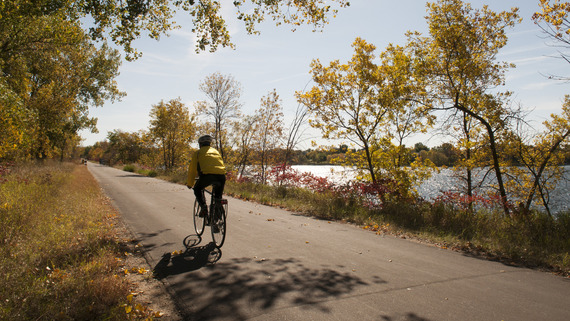 📷: Explore Minnesota Tourism, 10/1/11
Enjoy the start of fall with picturesque views along Central Lakes State Trail!
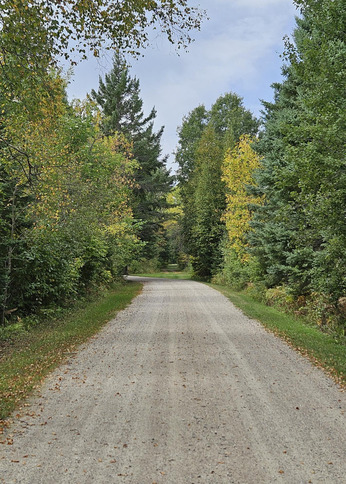
Central Lakes State Trail, located in west central Minnesota, is built on an old railroad segment that extends from Fergus Falls to Osakis, crossing three counties and ten communities. The paved, mostly level 55-mile stretch of trail is popular for biking, rollerblading, and hiking, and offers scenic views of rustic prairie, open grassland, natural wetlands and forested rolling hills.
Find fall color all along the trail! If you start your adventure at the very beginning of the trail in Fergus Falls (park at the trailhead on Hwy 210 or in DeLagoon City Park), you'll find great views of prairie, wetlands and mixed woodlands. Or, enjoy the section of trail near Christina Lake, an important stop for numerous waterfowl during fall migration season. Pack a snack for a break on the south side of the lake, where you can watch for migrating ducks, busy beavers, or the occasional eagle.
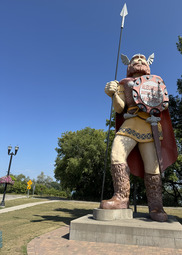
If you're near the south end of the trail in Alexandria, start your trip at Big Ole, a 28-foot-tall Viking statue, at the trailhead! This section of trail is perfect for families looking for beautiful views of the changing leaves with quick access to local amenities (restrooms, bike repair station, parking and picnic tables). In Osakis, the Central Lakes State Trail meets up with Lake Wobegon Regional Trail, which extends all the way to St. Cloud.
Central Lakes State Trail is a popular paved trail in the west central part of the state for those on foot and on wheels! If you're looking for a smooth ride through a diverse mix of habitat in west central Minnesota, you’ll enjoy the views on this accessible trail, no matter where you start your adventure!
|
 Sandhill Cranes
Look for one of Minnesota's largest birds this fall.
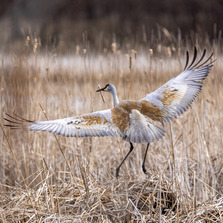
If you’ve ever heard a rolling, trumpeting call echo across a Minnesota wetland, a sandhill crane may have been nearby. Their calls can carry for more than two miles. These unmistakable birds have been around in roughly their current form for at least 2.5 million years.
Standing three to four feet tall with a wingspan that can stretch past six feet, sandhill cranes have gray plumage, long dark bills, and a patch of red skin across the forehead. Their feathers sometimes take on a rusty color from iron-rich mud.
In fall, cranes gather in wetlands to rest and refuel before migrating south. Bring binoculars and listen before you look. On a crisp fall day, you may hear their calls long before you spot a flock overhead.
|
|