|
May 14, 2026
Elk, also called heȟáka in Lakota, and omashkooz in Ojibwe, roam in three herds in Minnesota. This newsletter is all about Minnesota elk!
Large-scale elk study is underway
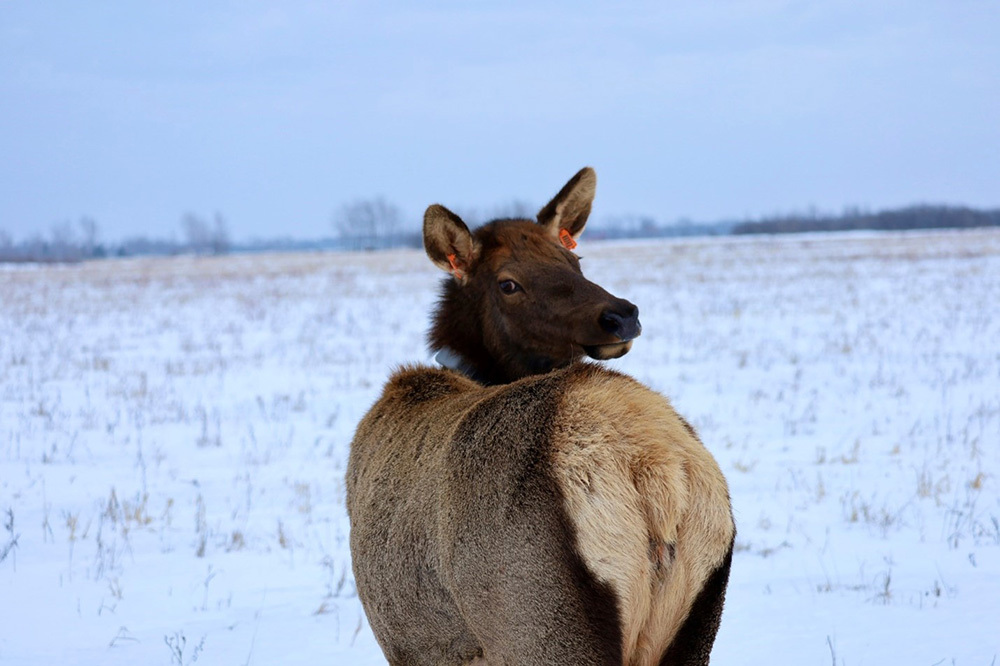 Elk 106224 after being fitted with a GPS radio-collar and ear tags. Below, two cow elk minutes after being captured and fitted with GPS radio collars.
The Minnesota DNR began a large-scale elk research study in January to improve our understanding of baseline elk population dynamics (e.g., pregnancy rates, survival rates of adults vs. calves, survival rates of males vs. females, causes of mortality and movement amongst herds), as well as how elk use the landscape among seasons and years. This past winter we were able to put GPS trackers (either collars or ear tags) on 28 elk. This is more elk than we have ever tracked in Minnesota!
The effort to capture and collar elk was monumental and involved staff from three of our wildlife research groups, wildlife managers and biologists from two regions, enforcement pilots, Tribal partners from the Red Lake Nation and Fond du Lac Band of Lake Superior Chippewa, and cooperating private landowners.
In addition to putting GPS collars or GPS ear tags on elk, the team also collected biological measurements and samples such as body condition, pregnancy status, hair and fecal samples, and blood. These samples provide additional information to combine with survival and other vital rates to give a fuller picture our elk population, challenges they face (such as harsh winters, parasites and diseases), and how those challenges impact things like population growth and genetics.
|
Gearing up for more elk research this spring
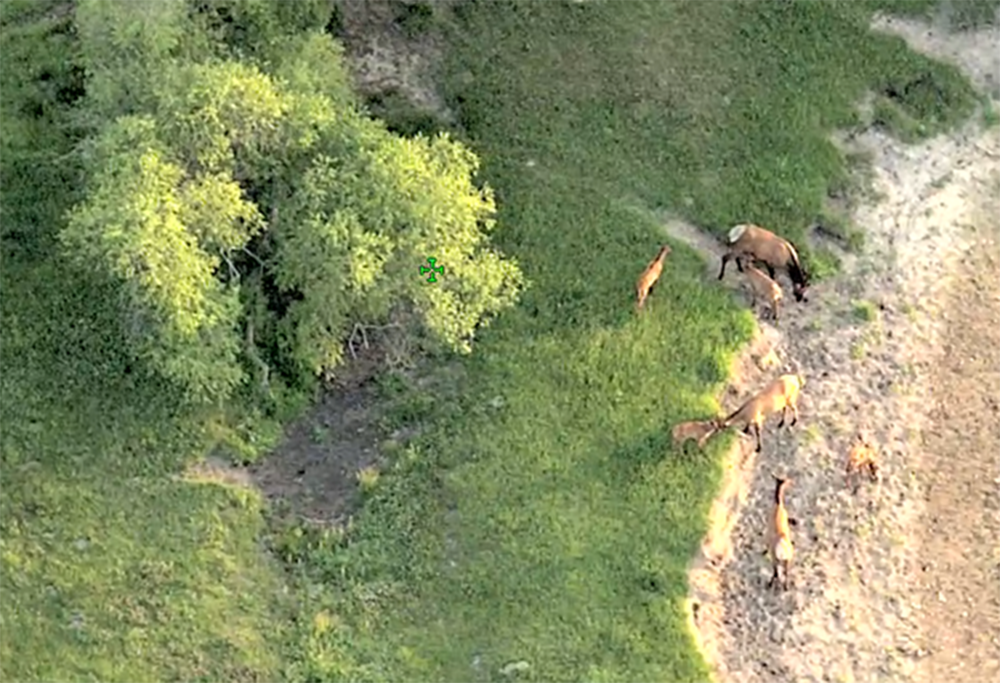 Our elk team is still recovering from a fun but intense winter field season, and we are also gearing up for elk calving season!
This spring we intend to capture and collar up to 25 newborn elk. We will accomplish this using a couple methods. To find most calves, we will rely on a specialized transmitter that we attached to pregnant cows when they were GPS-collared. When the cow elk gives birth, the transmitter will send us an email and text message alerting us that a calf was born. We can then navigate to the transmitter location to begin searching for the calf.
The other method we’ll employ to find calves involves using a Cessna 206 airplane with an infrared camera platform. We will fly at high altitudes over elk to search for calves, and then direct a ground crew to the calves’ location. The high altitudes we can fly at with our new plane and camera eliminates noise disturbance from the plane and reduces stress for both the cow and calf. We expect our calf handling time to be less than 10 minutes, which further reduces stress on cows and calves.
After calves are collared, we will continue to monitor GPS-tagged adults and calves for the next several years. And next year we will repeat our process to capture more adults in winter and more calves in spring. A large number of tracked animals (our “sample size”) improves how we analyze data and increases our confidence in results from those analyses.
Please stay tuned, including on our elk management webpage, for more information about this exciting project later this summer!
Elk aerial survey results available
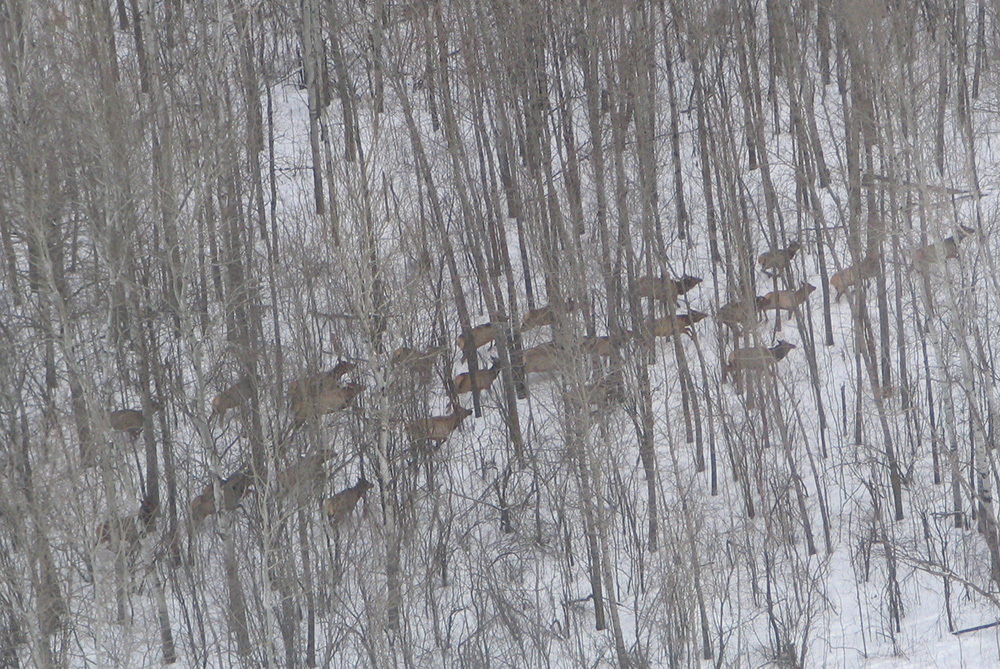 Each year, the Minnesota DNR completes an elk aerial survey in northwest Minnesota (Kittson, Marshall, Roseau and Beltrami counties) to determine a minimum count and help guide harvest quotas for the current population limits for each of the three distinct herds: Grygla, Kittson and Caribou-Vita. Aerial surveys can also help us monitor long-term trends and document changes in spatial distribution and sex ratios.
The DNR staff completed the aerial surveys from Jan. 27 to Feb. 2 when sufficient snow and weather conditions allowed managers to effectively locate and count the animals.
The 2026 aerial results are:
- Kittson-Central – 48 elk counted
- Caribou-Vita –313 elk counted (all elk were observed in Manitoba, CA)
- Grygla – 41 elk counted
The full survey report from 2026 and reports from previous years are available on the DNR website.
Behind the scenes of prescribed fire for wildlife habitat
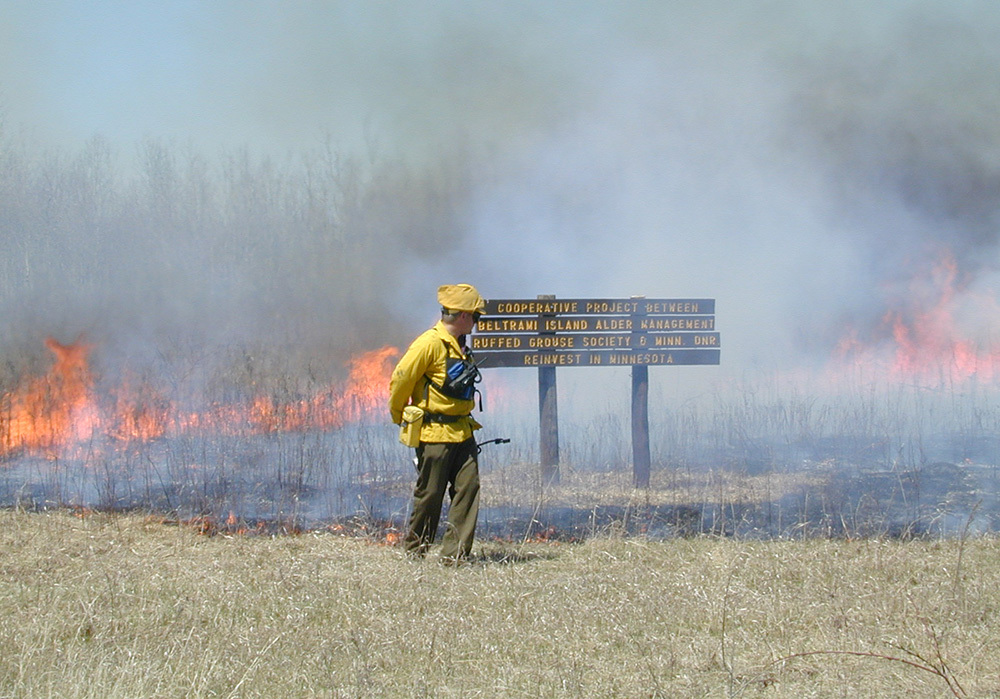 Prescribed fire in northwest Minnesota, these days, can require all hands on deck. Each Minnesota DNR wildlife office has fewer staff than in past decades, and burn plans are often over 20 pages long. Most burns require 10 to 20 qualified people and several specialized pieces of equipment. With only around four staff per office, it takes a lot of coordination to pull off a burn!
Plus, you need the right environmental conditions. Dry, but not too dry. Enough wind to help the fire through the unit, but not so much that it is out of your burn plan prescription. The wind also needs to be from certain directions for certain burn units so that you don’t smoke out your neighbors or busy roadways.
The DNR often partners with The Nature Conservancy and the U.S. Fish and Wildlife Service to accomplish prescribed fires.
Prescribed fire provides numerous ecological benefits. Mowed brush that would take years to decompose can be reduced to ash in minutes. Living brush can be killed by fire. Setting brush back to the grasses and forbs of prairie habitat is good for elk and many other species.
Elk graze on grasses more than deer. Both deer and elk will eat twigs and bark, especially when deep winter snow covers the dormant prairie plants. Young trees and shrubs that grow after mowing and fires are more nutritious and more available for browse than older, taller brush. Grazing elk help maintain the forest openings and prairie habitats that they prefer by consuming the young saplings that try to invade.
When left undisturbed, much of this part of the world grows up into aspen and willow thickets. When and where we can, the DNR and its partners use brush mowing and prescribed burning to set that thick brush back to prairie and young saplings.
While the immediate aftermath of a prescribed burn may look ugly, the habitat that grows back over the next few years will benefit elk, deer, grouse, turkeys and many other wildlife species. The habitat benefits most when it burns every few years. The next time you see smoke rising from state land, know that the wildlife will benefit from the burning!
|
Watch for elk hunt lottery application to open in mid-June
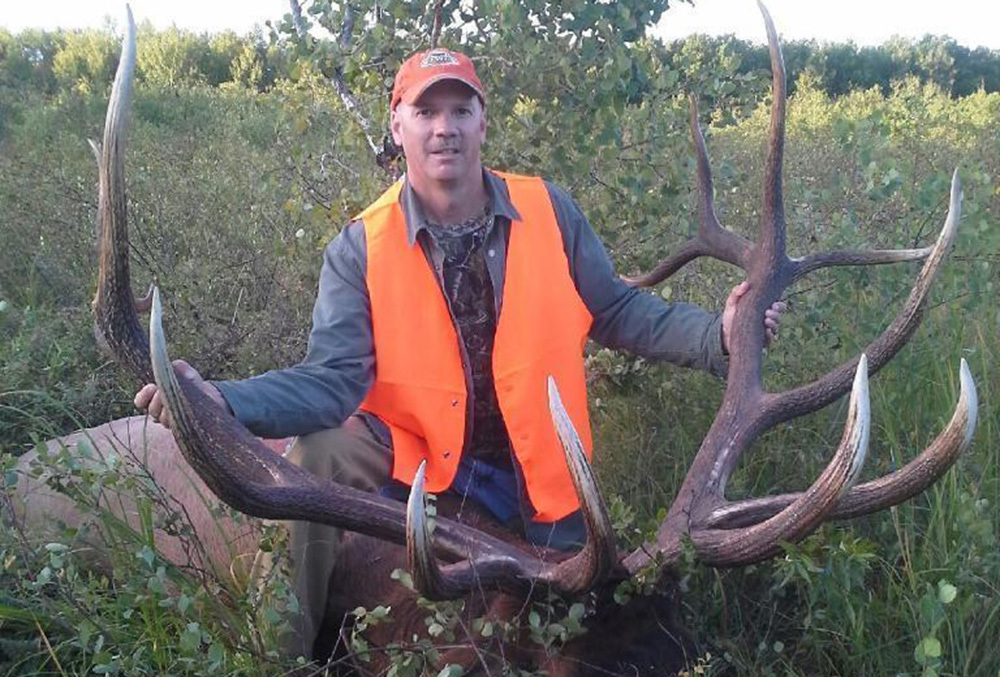 Brad Penas with his state record elk harvested in northwest Minnesota
Hunters, if you are planning on applying for the elk hunting lottery, please be aware that the Minnesota DNR shifted the 2026 application dates.
The application window will be from mid-June to early July, to allow us to first implement the new electronic license system.
Details about the number of permits and seasons will be available on the DNR elk hunting webpage when the lottery opens in mid-June. Thank you for your patience!
Elk calving season begins soon
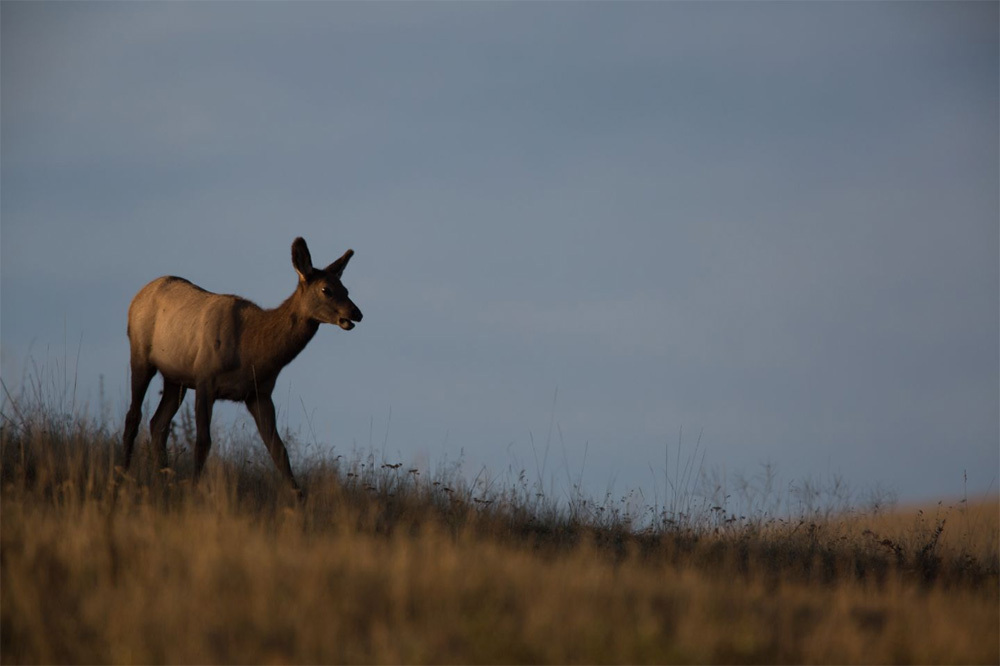 Courtesy of Ryan Hagerty, U.S. Fish and Wildlife Service
It’s that time of year when elk calves are about to be welcomed into the world in northwest Minnesota. Elk calves are born from late May into early June. Right before giving birth, an elk cow will separate from the rest of the herd and go into hiding to avoid drawing attention to her newborn calf. Most elk cows give birth to one calf. The birth of twins occurs less than one percent of the time.
Newborns calves weigh about 30-35 pounds and are reddish brown with white spots that help them blend into their surroundings. Within 30 minutes of birth, an elk calf can stand and nurse. The calves will remain motionless for a few days after birth, instinctively hiding from predators. A cow hides her newborn calf for about 2 to 3 weeks as the calf eats, sleeps and gains weight and strength. They will gain over one pound per day.
Once the calf can run from predators, both cow and calf will join other cows and calves. Cows and calves live in groups, or herds, which offer protection against predators.
|