|
Dec. 11, 2025
In this edition: a reminder about the late-season chronic wasting disease management hunt, where to find CWD test results, what the second rut is and why this happens, and sharing your Deer Tales from the season.
Late-season CWD management hunt is Dec. 19-21 in select areas
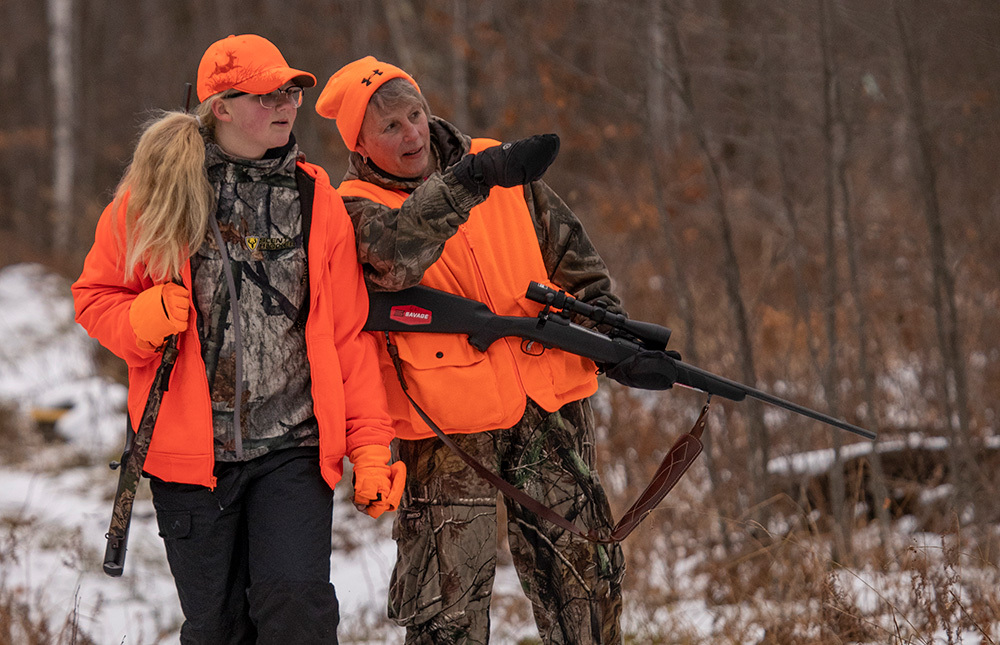 Deer hunters can participate in a late-season CWD management hunt Friday, Dec. 19, through Sunday, Dec. 21. Deer permit areas open to this CWD management hunt are 605, 642, 643, 645, 646, 647, 648 and 649.
CWD testing is voluntary for this year’s late CWD hunt. Hunters who would like to get their deer tested for CWD can use a self-service station, the partner sampling program, or hunter mail-in kits. Hunters can also make an appointment at a DNR wildlife office. This year, there will not be any in-person, staffed check stations available during the CWD management hunt dates.
While CWD testing is voluntary, carcass movement restrictions remain in effect for all the DPAs included in the late CWD hunt. More information on licenses and permits, bag limits, voluntary CWD sampling, and other important information is available on the late-season CWD hunt webpage.
Where to find CWD test results
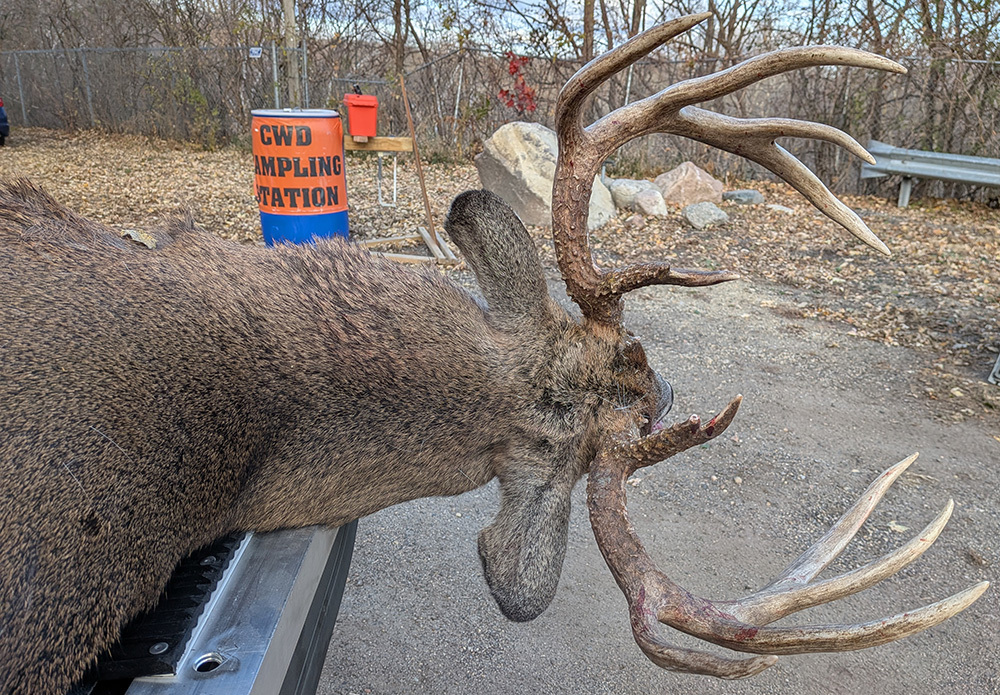 Thank you, hunters, for your participation in CWD sampling this year. If you got your deer tested, here’s a reminder that you can check the DNR website for CWD test results. The DNR will directly notify any hunter who harvests a deer that tests positive. You can also check the page for results of CWD tests completed thus far for this year and past years. Additional test results for deer harvested in 2025 will be added to this webpage as they become available.
CWD affects cervids, which include white-tailed deer, moose, and elk, and has no known cure. It has been found in more than two-thirds of the states in the U.S. More information about CWD and what the DNR is doing to limit disease spread and protect the health of Minnesota’s white-tailed deer is available on the CWD webpage.
What’s the “second rut” and why does this happen?
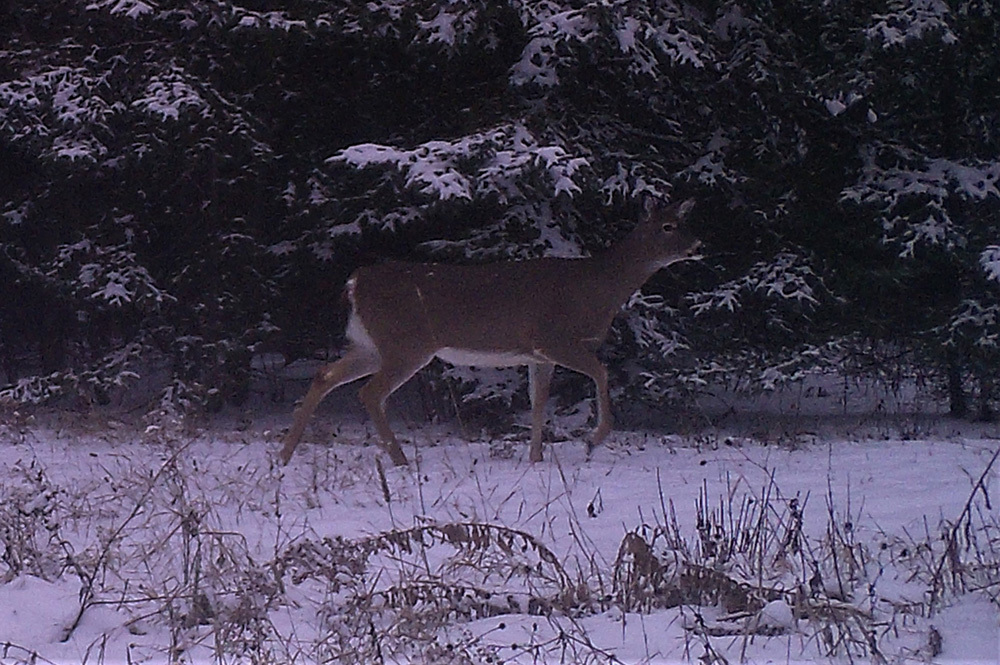 Courtesy of Gary D. Siesennop
As the hunting season winds down, you might wonder about the second rut in deer during the late season. What is the second rut? This is referring to a sharp increase in breeding behavior among deer after the typical November peak rut ends.
Why does this occur? Does can cycle in estrus every 28 or so days and have been observed in captivity to go in estrus up to six times before being bred by a buck. This means that in areas where does weren’t bred during November, or their pregnancies failed early enough, they can go back into estrus in December, triggering rut behavior in bucks.
Additionally, in areas with excellent habitat and access to good nutrition, it isn’t uncommon to see doe fawns born the previous spring going into estrus for the first time. Studies have shown that does can start going into estrus once their body weight hits 70-80 pounds, and bucks will chase after doe fawns.
So, think back to seeing fawns in late summer — if you’ve ever observed a small fawn with spots in August, it would be a good example of that fawn’s mother being a late-bred doe.
Deer Tales: grateful for a welcoming hunting family
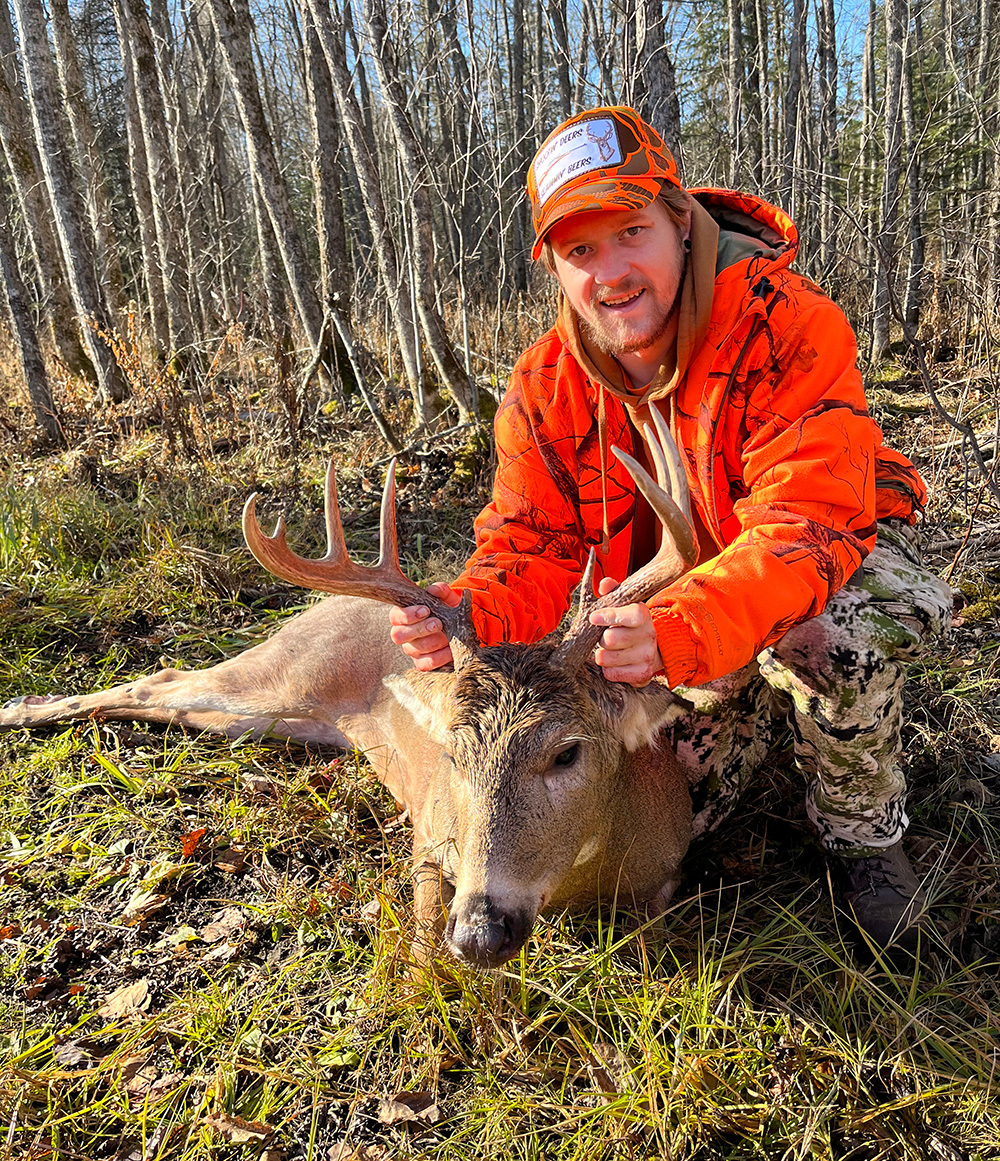
Photo and story courtesy of Collin Gibbs
I started hunting in 2021 after getting curious and being welcomed into it by my girlfriend’s (now fiancé) family. I had luck harvesting deer in the years between then and now, but had never harvested a mature buck.
Bigfork is in a bucks-only area and I have always ended up having to hunt elsewhere after opener in order to harvest something. After a few less-than-exhilarating years in the Bigfork deer stand, this was the first year that I was truly at peace just sitting in the stand and enjoying nature, without any expectation. Watching the first snowfall of the year from your deer stand is a pretty incredible experience. I left opener weekend empty handed but at peace — grateful for the fellowship that opener weekend provides. Our camp only had one successful hunter so far this year, Monday after rifle opener.
Fast forward to second weekend, the usual group ended up dwindling down to just my soon-to-be Father-in-Law and myself. He has been my biggest mentor in hunting and the person I hunt with most. Almost right away at 8 a.m. Saturday of second weekend, a beautiful 9-point buck seemed to just appear in the middle of my field after checking my side and rear windows. I found it to be almost poetic. It was an incredible experience and was awesome to share it with the person who has helped me learn and grow to be the hunter that I am. I look forward to a lifetime of hunting and being outdoors. Thank you Dennis!
Do you have a story to share? Take a minute to share your story and a photo from the hunt using the Deer Tales form. Stories will have the chance to be featured on the DNR website, social media, emails and more. If you just want to share a photo and short caption, you can use the DNR photo uploader.
|