Leaping into spring

Having trouble viewing this email? View it as a Web page.

minnesota department of natural resources

Nongame Wildlife Program

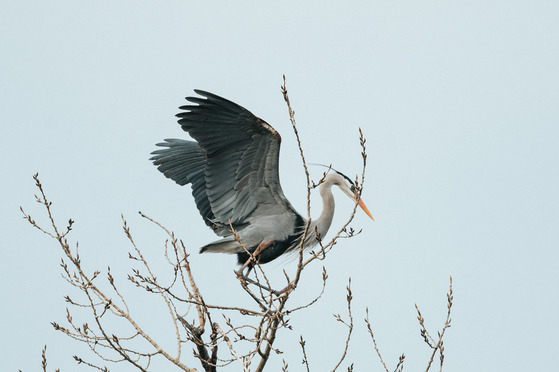
a heron on a tree

Great blue herons are arriving back in Minnesota. Photo by Connor Pippin

Let's Get Wild!

March, 2025


in this issue

Community science corner

Frog and Toad Calling Survey now open to volunteers

an illustration of a frog and toad, between them are the words "The Frogs and Toads Are Calling, join the Minnesota Frog and Toad Calling Survey!"

The Frog and Toad Calling Survey has begun and, for the first time in several years, we are accepting new volunteers!

The Minnesota Frog and Toad Calling Survey is a long-term community science project that monitors frog and toad populations statewide. The survey starts when frogs and toads begin calling each year, usually in early April. It runs through July. Volunteers survey their route three times during the season to document early, mid and late season calling species.

Interested in participating? Head over to our Frog and Toad Calling Survey webpage for more information: mndnr.gov/volunteering/frogtoad_survey/index.html

DISCOVER

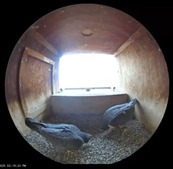
FalconCam eggs likely arriving soon

closeup of falconcam pair in the nest box

There is egg-citement in the air as the DNR FalconCam pair continues their courtship displays and nest preparations. This is the same pair that used the nest box last year, identified by the Midwest Peregrine Society as a 12-year-old female and a 16-year-old male. The female has used this nest box since 2016 and this is her second season paired with the male.

Watch their breeding season unfold at mndnr.gov/falconcam.


Nature out your door

Garden for wildlife

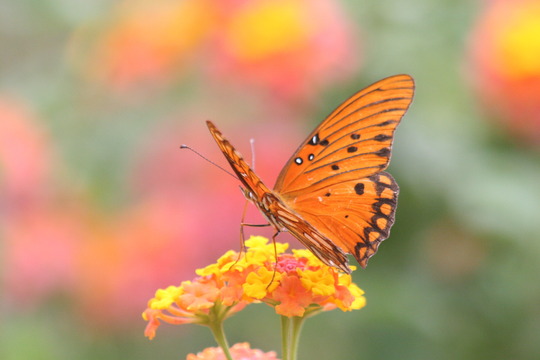
closeup of a butterfly on a flower

Make a difference for pollinators while attracting them to your yard by incorporating native plants into your landscaping and gardens. The University of Minnesota has excellent resources on planting for pollinators. Visit their website to get started: https://beelab.umn.edu/plant-flowers.

Species Spotlight

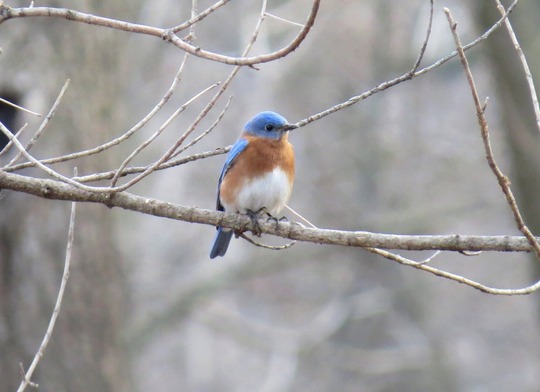
Species Spotlight: Bluebirds

photo of a bluebird perched on a branch

Bluebirds are often a sign of spring in Minnesota, but did you know they’re also one of our best wildlife success stories?

Minnesota’s bluebird population declined dramatically during the 1930s-1960s due to loss of habitat and competition from other cavity-nesting birds like starlings and house sparrows.

The Nongame Wildlife Program partnered with the Bluebird Recovery Program and other agencies to sponsor workshops, publish education materials and promote bluebird houses to bring back this songbird. These restoration efforts paid off, and Minnesota’s bluebird population is once again flourishing.

Photo by USFWS


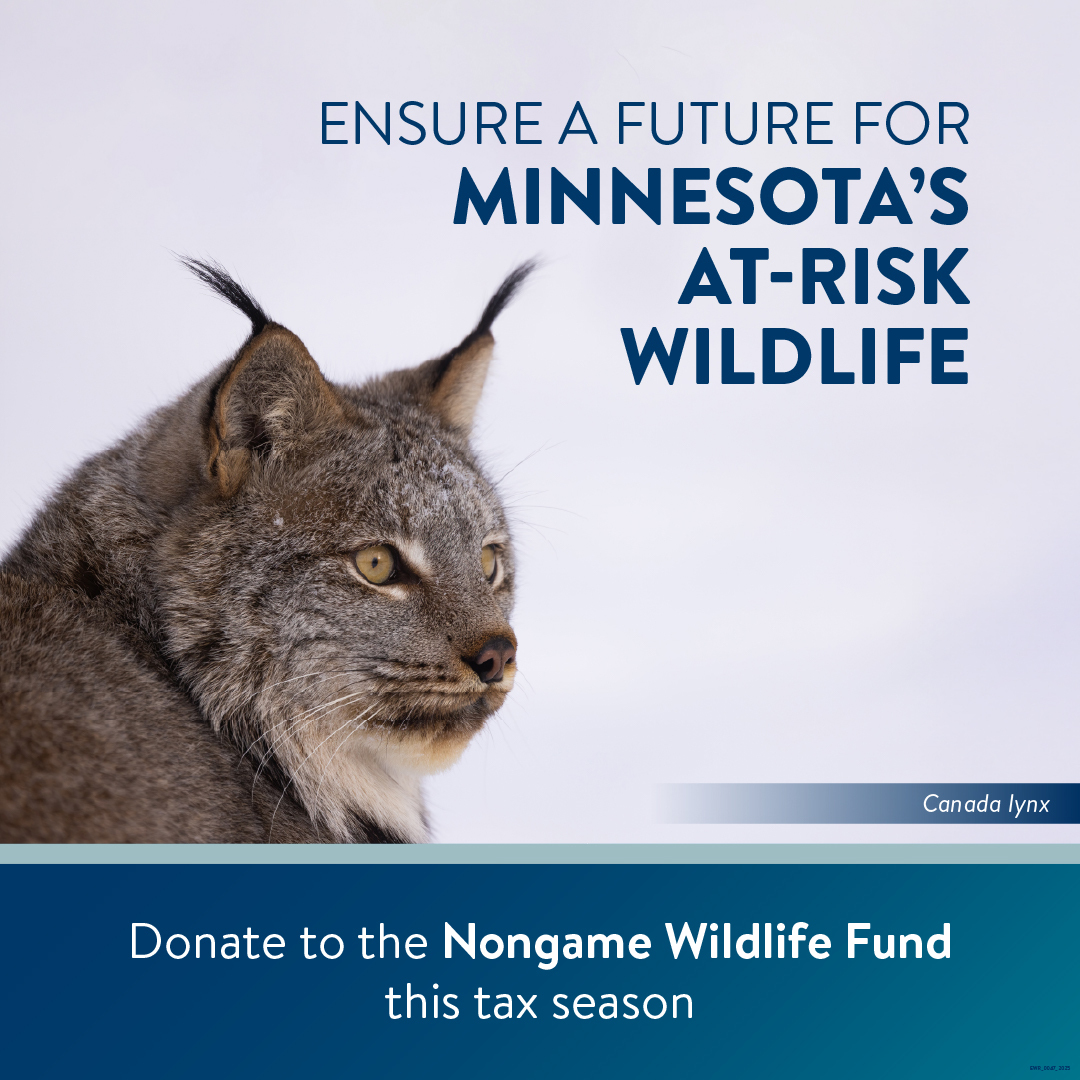
a lynx with the words Ensure a future for Minnesota's at-risk wildlife. Donate to the Nongame Wildlife Fund when you file your minnesota state taxes

Donating to the Nongame Wildlife Fund when you file your taxes is one of the best ways you can help Minnesota’s at-risk wildlife.

The Minnesota tax checkoff was first established in 1980 to help fund the important wildlife conservation work of the Nongame Wildlife Program. Thanks to your donations, we helped restore the bald eagle, trumpeter swan, and river otter to Minnesota.

But our work isn’t done. There are still hundreds of rare and vulnerable wildlife species in Minnesota that need our help.

If you can, please donate some of your tax return to the Nongame Wildlife Fund when you file your Minnesota state taxes. All donations are tripled, so any amount you provide will make a difference for Minnesota’s wildlife and natural areas.

You can also donate online anytime at mndnr.gov/donate.

Thank you for your support

a cartoon loon

The Minnesota Nongame Wildlife Program helps hundreds of Minnesota’s rare and vulnerable wildlife species thrive, but we can’t do it without your support.

When you give to the Nongame Wildlife Program, you help recover threatened and endangered wildlife. Your donations have already helped restore trumpeter swan, bald eagle and river otter populations in Minnesota. But there are still over 300 species that need our help.

Visit mndnr.gov/donate to learn more. Thank you!

*All photos are from the Minnesota Department of Natural Resources, unless otherwise stated.