|
Feb, 2025


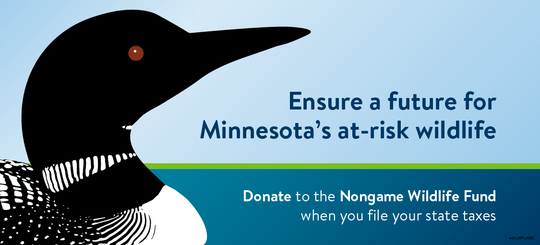 Donating to the Nongame Wildlife Fund is one of the best ways you can help Minnesota’s at-risk wildlife.
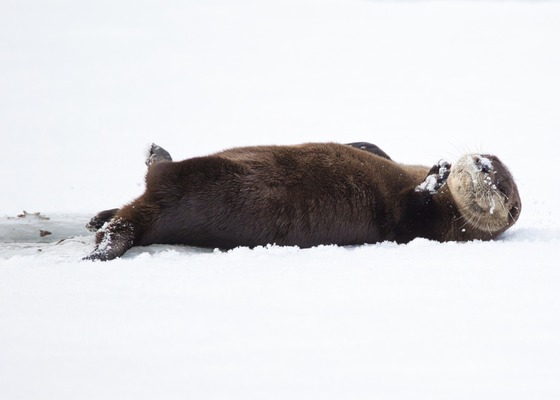
This Minnesota tax checkoff was first established in 1980 to help fund the important wildlife conservation work of the Nongame Wildlife Program. With the help of your donations, we were able to help restore bald eagle, trumpeter swan and river otter populations in Minnesota.
But our work isn’t done. There are still hundreds of rare and vulnerable wildlife species in Minnesota that need our help.
If you can, please donate some of your tax return to the Nongame Wildlife Fund when you file your Minnesota state taxes. All donations are tripled, thanks to matching from the Reinvest in Minnesota critical habitat license plate fund, so any amount you provide will make a difference for Minnesota’s wildlife and natural areas.
Learn more about how you can donate at mndnr.gov/donate.

Many songbirds migrate south to avoid Minnesota’s harsh winters and to seek more plentiful food resources in warmer climates, but there are some songbirds that stay put.
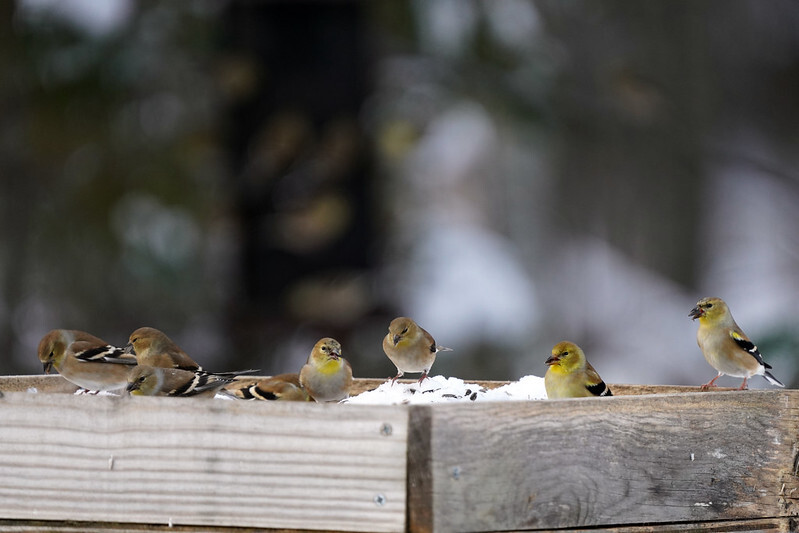 American goldfinch
es are still in Minnesota, but don’t expect to see a flash of yellow anytime soon.
American goldfinches go through a dramatic color change during their nonbreeding season. Their feathers turn to a dull tan, with black and white wings. Some yellow may stick around near their face, like the goldfinches pictured.
You can find them in grasslands, prairies and backyards throughout the state. Put some black thistle or black oil sunflower seeds in your feeder to attract them to your yard.
Photo by USFWS
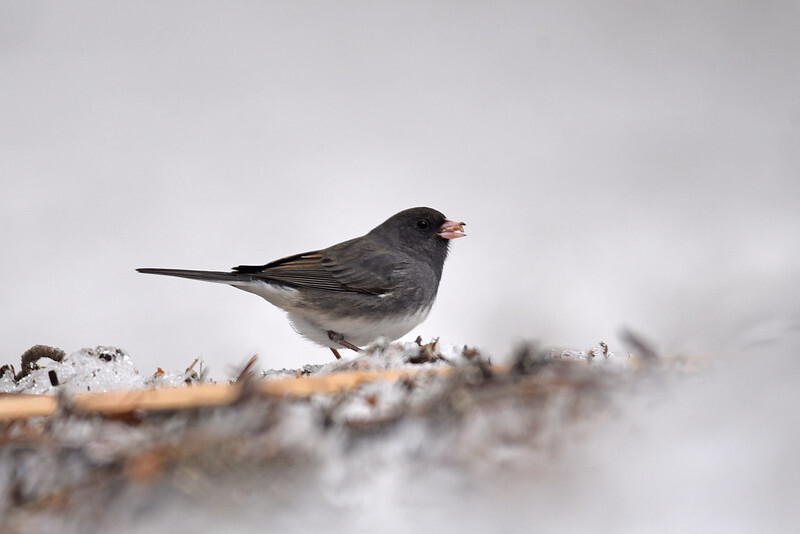 Dark-eyed junco
s are a round, pink-billed native sparrow. They are a year-round resident in northern Minnesota, and many migrate into southern Minnesota when the weather gets colder.
You can often spot a dark-eyed junco on the ground eating seeds. Look for them in fields, yards and the edges of forests. Add some millet, sunflower chips or cracked corn to your feeder to tempt them to stop by and graze on the ground underneath.
Photo by USFWS
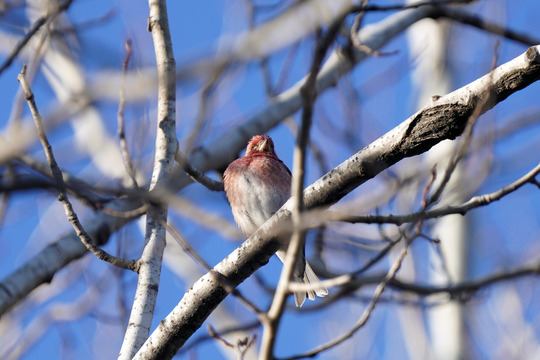 Purple finch
es are a regular resident in northern Minnesota, and during the winter they spread their wings and travel to the southern part of the state.
They are small, chunky birds with powerful beaks. You can find them in a variety of habitats, including mixed forests, parks, along streams and in your backyard. Add some black oil sunflower seeds to your feeder and it’s likely they’ll stop by.
Photo by USFWS
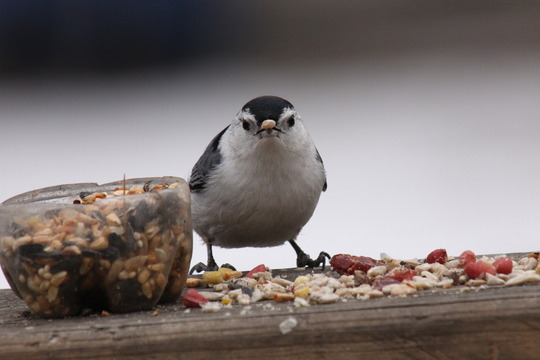 White-breasted nuthatch
A little snow doesn’t deter the white-breasted nuthatch. These small songbirds stay in Minnesota, living in wooded areas throughout the state. Fun to watch, they are common visitor to backyards, often seen scooting up and down tree trunks or enjoying the sunflower seeds and suet at your feeders.

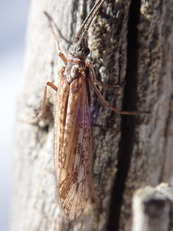
The headwaters chilostigman caddisfly is one unique little bug.
The headwaters chilostigman caddisfly was first discovered near the headwaters in Itasca State Park in 1974. At the time, this was the only location in the world where they’d been recorded. Since then, we have discovered more populations in northwestern Minnesota and over the Canadian border in southeastern Manitoba.
Adults speed across the snow surface during warm winter days. They’re most often seen in January and February, so if you’re out and about in northwestern Minnesota, keep a lookout for these rare bugs.
Photo by Rob Foster (https://www.inaturalist.org/observations/70877867).
|

Thank you to all of our volunteers who shared their time to support Minnesota’s wildlife in 2024. We are excited to begin the 2025 season and are looking forward to welcoming new volunteers to our Frog and Toad Calling Survey, Blanchard’s Cricket Frog Program and Chimney Swift Roost monitoring. Please stay tuned for more information coming soon, and be sure to follow us on Facebook to stay up to date on our volunteer opportunities and events.

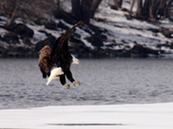
Wabasha and Red Wing
Wabasha and Red Wing are eagle hotspots this time of year. Both cities are nestled on the Mississippi River near sections where the current from the Chippewa River keeps the water open. This means great fishing for eagles and great opportunities to watch them perch.
|
Local state park
Visit your local state park for more wildlife watching this winter. Many parks even host fun, wildlife-themed events where you can learn about moose, backyard birds, eagles and more.
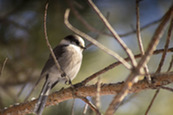
Scientific and natural areas
Scientific and natural areas (SNAs) are rustic natural areas where native plants and animals flourish. If you are looking for a backcountry exploration experience, they provide excellent habitat for wildlife viewing, and with over 160 SNAs across the state, you likely live close to one!
Photo of a Canada jay, taken by minnesota_snas
|
Your neighborhood
Finally, one of the best places you can notice wildlife this winter is right in your own neighborhood or backyard. Squirrels, birds, rabbits and more are still active during the winter, providing wonderful wildlife entertainment right outside your door.

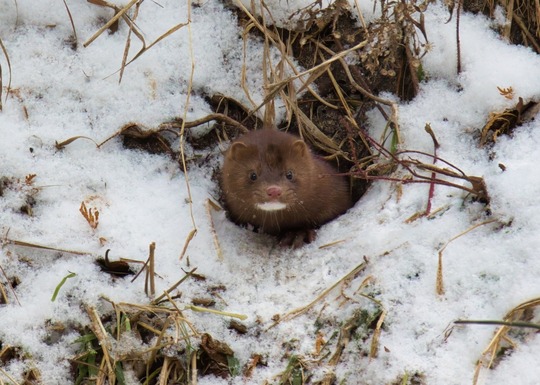 The subnivean (“sub” for below, “niveus” for snow) ecosystem is home to a number of wildlife species during the winter, including mice, voles, raccoons and rabbits. The layer of snow provides insulation they use to conserve their energy and protect them from harsher weather.
Learn more: https://parkconnection.org/blog/2021/embracing-cold-subnivean-ecosystem
Photo by Alyssa Sheffield
|