|
|
|
May 26, 2022
Stay informed! Here’s a summary of upcoming wildlife and habitat management activities and ways you can discover, explore and experience Minnesota’s outdoors.
Your window on wildlife
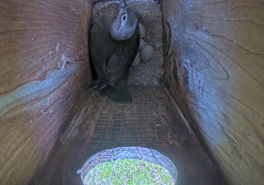
Ever wonder what wood ducks do once they take shelter in those wood duck houses? Get a sneak peek on a wood duck nest in the DNR’s new Window on Wildlife.
The live video shows a wood duck nest — with fresh ducklings — and the webpage provides more information about wood duck habitat, range, habits and populations. The page will also include a highlight reel of wood duck video clips you won’t want to miss!
More details: Watch the wood ducks
|
Apply to hunt elk in Minnesota
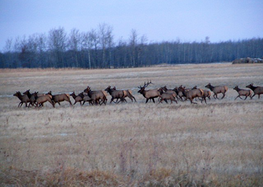
Interested hunters have through Friday, June 17, to apply for one of 30 elk licenses offered this year by the DNR. Seasons will run from late August to mid-October. This year’s seasons are similar to last year’s, which provided hunters with more opportunities to harvest antlerless elk. Hunters can choose from three license options: a license for a bull elk; a license for an antlerless elk, which can be a female or a young male; or a license for either a bull or antlerless elk. It’s important that hunters review the elk season structure on the DNR website prior to entering the lottery to ensure they apply for the license they want.
More details: Review the elk season structure
|
Be BearWise while recreating
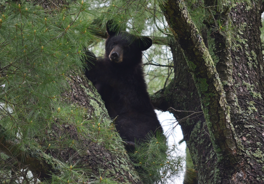
Hikers, campers and others recreating outdoors, please be aware of bears when making outdoor plans this year. Minnesota is bear country, and people can peacefully share the outdoors with bears by paying attention to where and when they’re most likely to encounter bears. Black bears are naturally cautious animals that avoid human contact for their own safety; however, it’s important to be proactive to prevent unwanted human-bear interactions.
When moving about in bear country, people should be aware of their surroundings, make noise periodically so bears in the area can hear you, and always keep dogs leashed.
To keep human food away from bears, people should keep a clean camp by practicing leave no trace principles. Pack out what you pack in and leave no trash or food scraps behind. Store coolers in a locked vehicle or use a certified bear-resistant container. If the trash container or dumpster is full where you recreate, don’t pile trash outside the receptacle; take it with you when you leave. Don’t leave food, trash or pet food outdoors and unsupervised. All it takes is a few seconds for a hungry bear to swipe it.
More details: Find recreation safety tips, be BearWise and how to leave no trace
|

Bear lottery winners selected
Did you apply for the bear lottery? Postcards have been mailed to lottery winners. Licenses go on sale Wednesday, June 1, and you can check now to see if you were selected for the fall hunt.
More details: Check results on the DNR search page.
Photo courtesy of the U.S. Fish and Wildlife Service
|
Spring turkey hunting season continues through May 31
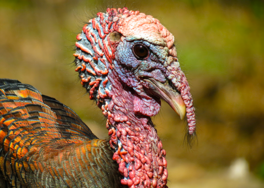
Turkey hunters, if you have an unused tag from an earlier hunt period, you can participate in the final hunt period that began May 18 and runs through Tuesday, May 31. You may also purchase a license for this time period. Archery-only and youth ages 17 and younger are allowed to hunt during any time period, including the final one. Hunters cannot purchase both a firearms and archery-only license.
More details: Get turkey hunting information, and hunters concerned about avian influenza and wild turkeys can find information on safe handling practices and about avian influenza in Minnesota
|
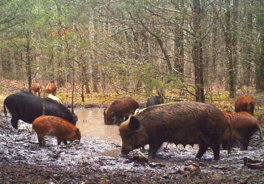
Feral swine are a threat to Minnesota’s landscape
They’re intelligent, they’re elusive, and they’re destructive on the landscape. Minnesota is fortunate not to have a self-sustaining population of feral pigs, but many other states do, and their problems inevitably began with only a few hogs. By 2020, feral hogs had spread to 1,915 counties, moving inland and northward, with small pockets as far north as the Upper Peninsula of Michigan and in North Dakota near the Canadian border.
Will feral swine invade Minnesota? Only if we’re unable to outsmart the pigs.
More details: Read this Minnesota Conservation Volunteer story about feral swine
Photo courtesy of the Missouri Department of Conservation
|
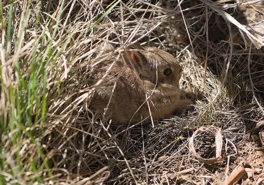
Young wild animals: If you care, leave them there
Just because a young wild animal is alone doesn’t mean it’s orphaned.
Leaving young unattended is normal and natural for many wild animals. Sometimes this is the best way the mother can protect her young — visiting or hanging around a spot frequently could alert a predator to where a nest or young animal is. If you care, leave them there!
More details: Reasons to leave young wild animals alone
Photo courtesy of the National Park Service
|
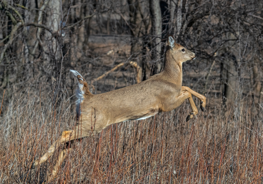
Share your wildlife photos
Have you been watching any wildlife this spring? Did you enjoy your time outdoors hunting turkeys? We’d love to see some photos! New this year, we have an easy way for you to share your wildlife and hunting photos with us, so we can share them back with you on social media, in email notifications and on our website.
More details: Share your wildlife and hunting photos
Photo submitted by David Riewe
|
|
|
|
|
Get hunting information
Find hunting and trapping regulations, harvest registration, how to contact a conservation officer and information about pursuing a variety of species at mndnr.gov/hunting. New to hunting? Check out the DNR learn to hunt page.
|
|