Caution: Cold water and thin ice!
It’s that time of year already. Ice is starting to form on lakes and rivers in Northern Minnesota. Now is a good time to refresh yourself on our ice safety recommendations. Also, the start of ice season means knowing how to survive a fall into cold water.
Prepare for a potential fall into cold water
Cold water immersion is more likely to end in a drowning rather than hypothermia. Wearing a life jacket is your key to survival, it can keep your head above water and give you the time to get out of the water or ice safely.
Bring safety equipment that could save your life: rope, ice picks, and ice chisel to break the ice. And wear a life jacket or buoyant gear when on foot.
Keep an eye on the weather forecast
Ice conditions can change rapidly when the ice is thin. Check the forecast and pay attention to changing conditions.
Check ice thickness before heading out on ice
Temperature, snow cover, currents, springs and rough fish all affect the relative safety of ice. Ice is seldom the same thickness over a single body of water. Use caution if you are venturing out on early ice.
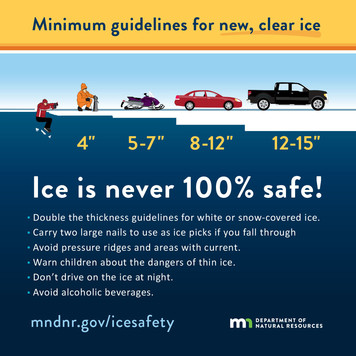
Note: The DNR does not measure ice thickness on Minnesota lakes. Your safety is your responsibility. Check ice thickness at least every 150 feet. Always follow our minimum guidelines for new, clear ice.
No snowmobiles on the ice (not yet)
It’s much too early to even think about taking a snowmobile or ATV on newly formed ice. There must be at least 5-7 inches of new, clear ice for snowmobiles or ATVs.
When in doubt, don't venture out
If you’re the least bit unsure about the ice safety of your local lake, or if you lack the necessary safety equipment, don’t risk heading out on the ice.
Get more information
Read our ice thickness guidelines and other ice safety tips. Know before you go.
|