News from DHS for September 2026

Minnesota Department of Human Services logo

NEWS FROM DHS

September 2026

News from DHS archive

In this issue:


Availability of online tool extended for Medical Assistance enrollees ahead of federal work requirements

People with Medical Assistance can find out now if they will need to meet 2027 federal work reporting requirements using our online Renewal Lookup tool. Previously scheduled to end Sept. 30, the reporting function in the tool continues to be available.

Starting Jan. 1, 2027, some adults under age 65 will need to meet new work requirements to get or keep Medical Assistance health insurance. Medical Assistance is Minnesota’s Medicaid program.

Medical Assistance enrollees can prepare now for their 2027 renewal by reporting how they expect to meet an exemption from work requirements or how they will complete a qualifying activity. Many people may already meet the requirement or qualify for an exemption. 

“While most Medicaid recipients already work or meet the requirements in other ways, we are encouraging people to prepare now for the challenges of more paperwork. We want all eligible Minnesotans to keep their coverage,” said Temporary Commissioner John Connolly.

Work requirements will be verified when Minnesotans apply for Medical Assistance and when they renew their coverage. Renewals will now occur twice a year – or every six months – instead of once a year for these adults. 

Visit mn.gov/dhs/work-requirements to find:

  • Qualifying activities that meet work requirements
  • Qualifying exemptions from work requirements
  • A short video explaining how to use the Renewal Lookup tool to report qualifying work requirements or exemptions. 

Medicaid payments to two providers charged with fraud stopped more than two years ago

On Sept. 29, Minnesota's attorney general announced $3 million in fraud charges against nine Medicaid providers.

Minnesota's Medicaid program stopped payments to the two providers with the largest amount of alleged fraud in 2023 and 2024.

Over the last few years, we implemented a full slate of anti-fraud measures designed to overhaul the regulatory and enforcement processes to prevent and detect fraud schemes earlier and more easily establish the evidence needed to pursue charges. More information is on our program integrity webpage.

Human Services Inspector General James Clark issued the following statement about the new charges:

“I applaud the actions announced today by the Attorney General’s Office. Assembling strong cases against perpetrators of fraud takes time, intelligence, resources and close collaboration among many government agencies.  

“When the department found credible evidence of fraud involving businesses at the center of today’s charges, we shut off the money and terminated the providers. 

“As a Minnesota taxpayer, I too am angry about people who callously choose to steal from the most vulnerable among us. To the criminals that seek to defraud state programs, I share this message: We’re watching and, in cooperation with our law enforcement partners, we will do everything we can to bring you to justice.”  

What to know about changes to how people apply for and manage their Medical Assistance and MinnesotaCare

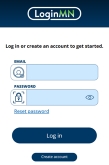
LoginMN screenshot

Minnesotans who are seeking free or low-cost public health coverage — Medical Assistance or MinnesotaCare — can now apply for and manage their coverage directly through the department's website.

The required steps differ based on individual circumstances. In most cases a LoginMN account is required.

Current enrollees need to create a DHS health care account using LoginMN to access their information online. Enrollees can no longer access their online health care accounts through MNsure.


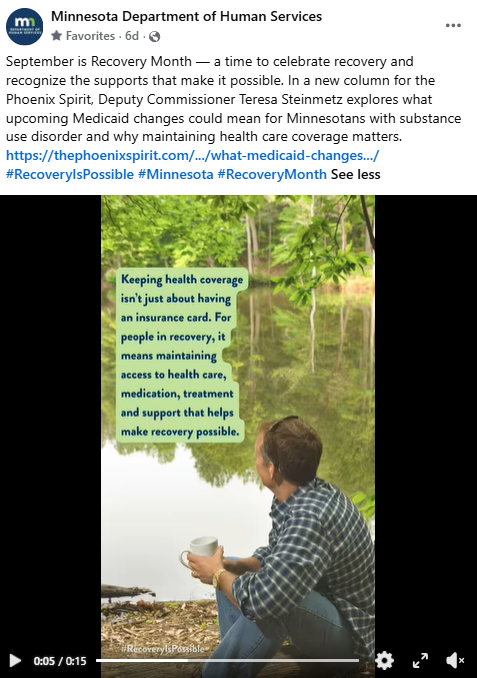
In social media: Health care coverage is critical for people in recovery—and those seeking it

Screenshot from September social media

Find this post on Instagram, Facebook and X.

>> Follow us on Instagram, Facebook and X (formerly Twitter) for timely updates on DHS news and events.

>> For announcements of hiring events, job postings, internships and more, follow us on LinkedIn and the DHS Careers Facebook page.


Accessible formats

For accessible formats of this publication, write to dhs.communications@state.mn.us, or call 651-431-2000 or use your preferred relay service.

New minimum wages for nursing home staff in effect

Asian elder with caregiver in facility

New minimum wages took effect this month for Minnesota nursing home staff. Wage amounts, set by Minnesota’s Nursing Home Workforce Standards Board and approved by the Minnesota Legislature, will increase again on Jan. 1, 2027.

With recent federal approval, Minnesota’s Medicaid program—a primary payer of nursing home costs—will pay nursing homes a higher reimbursement rate. Nursing homes may use this increased reimbursement to help cover the cost of wage increases.

Find more details, including minimum wage amounts specific to staff roles, on the Minnesota Department of Labor and Industry website.


New ways to stay connected

We expanded our social media presence and launched new elists this year to connect Minnesotans with helpful information and increase transparency into our work. See what might interest you!


In the news

newspaper beside a coffee cup

Opinion | Minnesota’s progress on fighting Medicaid fraud: As we mark the one-year anniversary of Gov. Tim Walz’s Executive Order 25-10, which addressed fraud across all state agencies, it is important to recognize the progress Minnesota has made in fighting fraud, waste and abuse in Medicaid as well as the work that remains. Read Temporary Commissioner John Connolly's piece published in Forum Communications news outlets across the state.

What Medicaid changes could mean for the SUD community: For people living with substance use disorders—whether they are considering treatment, newly in recovery or have been in recovery for years—health coverage can help remove financial barriers to the care and support that they need to stay healthy and thrive. It will be especially important for adults in, or seeking, recovery to understand upcoming federal Medicaid changes so they can stay connected to their health coverage and take action when required. Learn more in a column by Deputy Commissioner Teresa Steinmetz in The Phoenix Spirit.

New Coon Rapids Guest House gives eight families private shelter apartments: Family Promise recently opened the Guest House, establishing the first shelter of its kind in Anoka County. A DHS grant contributed $3.6 million toward construction of the facility. Learn more in a MinneapoliMedia article.

Minnesota to stop use of hotel rooms to house people in mental health crises: Minnesota will no longer allow the use of hotel rooms to provide what’s called “crisis respite.” It’s a Medicaid-funded program aimed at providing care and supervision to people experiencing mental health crises. Hennepin County stopped using hotels for crisis respite before the state policy changed. Learn why they made the change and what they learned in a recent MPR News segment.

Minnesota looks to expand access to traditional native healing: Greater access to traditional healing practices could be coming for Native Americans enrolled in Medical Assistance. DHS is seeking federal approval for a five-year demonstration project that would allow participating Tribal and Indian health facilities to bill MA for services such as sweat lodges, talking circles, smudging ceremonies and other culturally established practices. Learn more in an article in The Timberjay.