The U.S. Senate’s Better Care Reconciliation Act puts comprehensive health care for 1.2 million Minnesotans at risk by cutting federal funds for Medicaid and MinnesotaCare by billions of dollars over the coming years.
We at the Minnesota Department of Human Services are analyzing the Senate bill, which was released this morning. The Senate bill and the American Health Care Act, which passed the U.S. House of Representatives on May 4, have similar provisions and similar cuts to Medicaid and MinnesotaCare, with some differences.
We will share new information about the Senate bill and its progress in the coming days.
Meanwhile, our updated analysis of the House bill finds the Act would mean:
-
Threats to health care for seniors and people with disabilities. Two-thirds of the Medicaid funding lost due to new caps on spending would affect these Minnesotans. Approximately 2,700 children with disabilities are helped by Medical Assistance (Minnesota's Medicaid program) through the TEFRA option, which allows families with higher incomes to buy into Medicaid.
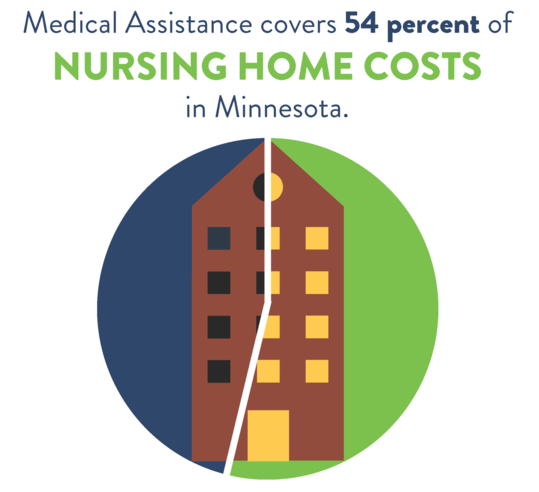 - Massive cuts to Medicaid and MinnesotaCare, putting the health care of 1 in 5 Minnesotans at risk.
The proposed federal funding cuts would grow over time, reaching $11.4 billion by 2025. The $1.6 billion in federal funding lost in 2021 alone is roughly equal to the state cost of covering the more than 700,000 children, pregnant women and parents currently on Medicaid in 2018.
Medical Assistance covers health care for 42 percent of Minnesota children and 42 percent of births.
If these bills become law, we risk moving backward.
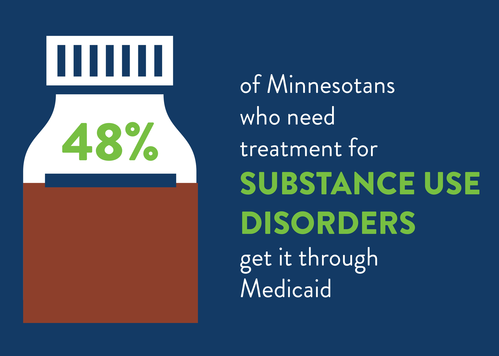
- During an unprecedented increase of substance use in our state, cuts in federal funding threaten the state’s ability to respond to this crisis.
- Many Minnesota farmers receive
their health care through MinnesotaCare, allowing them to fill our tables
and fuel our economy. Cuts in federal funding threaten their health care
coverage.

Read the latest analysis, find fast facts and interactive maps.
Tell your friends
|