|
In our last issue, we highlighted the Lexis Digital Library e-book platform offered to all patrons. In this issue, we're taking a deeper dive into some of the resources you can access through Lexis Digital Library.
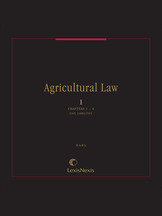
Agricultural Law
Farming is a cornerstone of Minnesota's economy, and there are special legal considerations for farms and farmers. Agricultural Law is a 15-volume treatise that covers a wide range of topics. Environmental law, labor law, and civil liability are all covered in the agricultural context. There are also chapters on business formation, taxation, and estate planning. In addition, there is extensive coverage of the federal regulations that apply to agriculture from environmental concerns to school lunch programs.
|
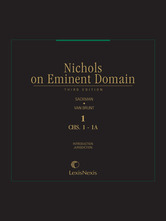
Nichols on Eminent Domain
Eminent domain is the government's power to take private property for public use. This can include actual seizure of the property or restrictions on the property's use. Eminent domain law can be complicated, but the treatise Nichols on Eminent Domain provides a detailed look at the nuances of this topic. The set includes 18 volumes and covers all aspects of eminent domain law, including procedural concerns, remedies, valuation, and constitutional rights. You will find citations to cases and statutes and expert analysis of the law in this resource.
|
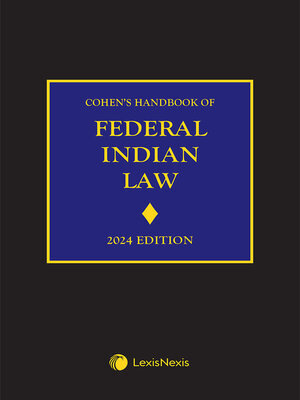
Cohen's Handbook of Federal Indian Law
Minnesota is home to eleven tribal nations, so Indian Law is an important subject in our state. Cohen's Handbook of Federal Indian Law is a comprehensive resource that covers the complicated connections between tribal governments, the federal government, and state governments. The set includes chapters that cover sovereignty and jurisdiction, criminal jurisdiction, the Indian Child Welfare Act, gambling, and more. Special attention is given to environmental concerns, including federal environmental regulations, water rights, and hunting and fishing rights.
If you do not already have a Lexis Digital Library account, you can request one by emailing Ask a Librarian. We will set up an account for you and provide you with links to user guides to help you navigate the platform.
|
AI has become a common tool used for all kinds of things, including legal research and writing. But AI comes with a number of risks, especially when used for legal issues. Here are some of our tips for using AI for your legal matters.
Remember that AI is a tool, not a magic wand.
It's important to remember that AI is a tool in the same way that a spelling or grammar check are tools - it can make things easier for you, but it isn't perfect. AI can still make mistakes, so it's important to check the results you get from AI against official sources. A law librarian can help you find cases and statutes mentioned in an AI response so you can confirm they are actually saying what the tool says they are. You can also minimize the risk of getting bad information by using a legal AI tool designed by Westlaw or Lexis rather than ChatGPT or Claude.
Use AI for the right tasks.
Even though AI can generate a detailed answer for you in a short period of time, AI tools are not lawyers and they cannot tell you what you should do in a situation or how to win your case. AI tools can give you information that can help you make those decisions on your own. Rather than asking for legal advice, you may want to ask AI to explain unfamiliar terms, recommend a resource on your topic, or summarize a legal document.
Remember that you are still responsible for anything you submit to the court, even if AI drafts it.
Even if AI makes a mistake, if you submit it to the court, you can still be penalized for that mistake. Make sure to check official sources and verify any information you use.
For more tips and tricks on using AI in legal research, check out this handout.
One of the most unique collections at the State Law Library is the Justice Career Book series. Starting in the 1980s, the library has created career books for retired justices of the Minnesota Supreme Court. These books provide an overview of each justice's time on the bench, their professional activities before and after, and other biographical information. The justices often donate their papers, speeches, and photographs for the project, and those who worked closely with the justices also provide narratives to be included in the book. We recently celebrated the launch of the 21st book in the series on Associate Justice Alan Page.
To see the full series of books, visit our Justice Career Books Library Research Guide. We will also have a display of the career books in the library this fall.
|