A popular webinar replay and the importance of sampling for diseases

Having trouble viewing this email? View it as a Web page.

board of animal health

Animal Bytes

October 2026

Why it's important to keep looking for scrapie

Sheep

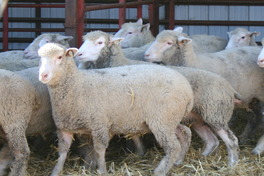
It takes seven years of 100-percent negative scrapie surveillance sampling for a country to declare official freedom from the neuordegenerative disease. The U.S. made it past the five-year-mark and never reached its sixth full year of freedom when the USDA announced a scrapie detection in Oregon this past summer. The positive sample was taken from an untagged sheep at a slaughter facility and underscores why Minnesota and other states require all sheep and goats, including wethers, be officially identified. In Minnesota, the Board has teamed up with local USDA Veterinary Services staff for years to collect scrapie samples from sheep and goats at markets. These samples help prove freedom from the disease and verify the overall health status of the state's flocks.

What is scrapie though, and why do we keep looking for it? Scrapie is a fatal degenerative disease of sheep and goats affecting the animal's brain, muscles, and central nervous system. Infected animals exhibit behavioral changes and the clinical signs progress until the animal dies. There is no cure or treatment for scrapie. Similar to other diseases like CWD, scrapie is caused by an abnormal protein, known as a prion. Scrapie is most commonly spread from mother to offspring and/or other herd/flock members through contact with infected afterbirth.

Disease eradication has been a long process with two important aspects. The first has already been discussed and is testing and surveillance to find any cases. The second has been the successful genetic testing of susceptible sheep and intentional breeding of sheep with scrapie resistant genes to build up herd immunity across the country. The recent detection in Oregon does set the U.S. back from declaring overall disease freedom until at least 2033. However, the continued testing, tracking and breeding of resistant animals can eventually eliminate this disease from our flocks and herds.

Keep reading...

Webinar replay: Fall Flock Health Check

Missed our webinar on October 6 focusing on your flock's health? What does a sick flock look like? What should you do if you suspect an illness in your birds? How do you keep your biosecurity fresh? Those answers and more from the experts at the Board of Animal Health, Department of Health and University of Minnesota Poultry Extension.

Watch the recording of the Fall Flock Health Check on YouTube.


Animal disease emergencies take a mental toll

A free webinar from the University of Minnesota and the Upper Midwest Agricultural Safety and Health Center will focus on response resilience and mental health during animal disease emergencies.

  • October 23, 2026 from 12 p.m. to 1 p.m.
  • 1 Continuing Education (CE) Credit
  • Disease outbreaks create immense psychological strain for practitioners, farmers, and response teams. This webinar delivers a practical toolkit to help veterinarians recognize signs of severe distress in themselves, colleagues, and clients during a veterinary emergency.

Register for the Mental Health Webinar


Extra pumpkins laying around this October?

Use those extra carved pumpkins, carving scraps or seeds to feed your animals. If you have backyard chickens or goats you can certainly toss the extra carving scraps and seeds into their pen for a fresh treat.

While it's not recommended to feed raw pumpkin to your dog, you can roast it and make a puree for your pet. Just don't add any spices or sugars because dogs don't need the same sweets and spices we're used to in our pumpkin pies. Also be sure to feed dogs small amounts at a time like a spoonful with their regular meal.

Final quarterly Board meeting of the year

The Board's fourth and final meeting of 2026 will take place on Wednesday, December 9. The meeting will stream remotely on Microsoft Teams and in-person at the Oliver Kelley Farm, 15788 Kelley Farm Rd, Elk River, MN 55330.