EIV, HAB and EHV. Answers to these acronyms in the May Animal Bytes

Having trouble viewing this email? View it as a Web page.

board of animal health

Animal Bytes

May 2026

Strangles and other equine disease prevention

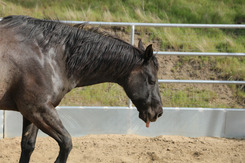
Sick horse

Spring is a mixed bag of joy and headache for Minnesota horse owners where sun and warmer temperatures are accompanied by muddy paddocks and shedding winter coats. Spring is a good time to refresh your knowledge of common contagious diseases such as Strangles, Equine Influenza Virus, and Equine Herpes Virus and how to lower the risk for your horse before the higher-risk busy summer show, clinic and ride season.

Strangles is a disease caused by infection with the highly contagious bacteria Steptococcus equi subspecies equi. Exposure to S.equi is most commonly through horse to horse contact or contaminated water or equipment. The bacteria enters the horse’s nose and mouth, infecting lymph nodes of the head and neck. The first clinical sign of infection is typically a fever over 101.5°F, lethargy, and inappetance occurring 2-3 days after infection. Nasal discharge, lymph node swelling and abscesses develop days later, sometimes causing pressure on the trachea and esophagus, hence the name ‘strangles.’ Horses are contagious while showing clinical signs and may shed intermittently with no clinical signs. Treatment for uncomplicated cases is supportive care to keep the horse comfortable and encourage eating and drinking.

Isolate affected horses, call your veterinarian to discuss treatment options, and stop all movements on and off the property to prevent disease spread. Check temps on exposed horses twice daily for two weeks and isolate them if they develop a fever over 101°F. 

Vaccines are available for S. equi and can prevent or reduce the severity of infection in high risk environments. Discuss your horse’s history and risk factors with your veterinarian before vaccinating.

Equine Influenza Virus (EIV) and Equine Herpes Virus-1 (EHV-1) cause respiratory disease in horses. EHV-1 can also cause abortions in pregnant mares and may develop into the neurologic disease called Equine Herpes Myeloencelphalopathy (EHM), which must be reported to the Minnesota Board of Animal Health. Non-neurologic cases of EHV-1 are not reportable.

Both EIV and EHV viruses are capable of surviving in organic material like manure and feed. Horses may appear healthy while spreading virus. The incubation period for EIV is typically a few days, while EHV-1 can take up to two weeks to show clinical signs.  Both viruses cause fever, cough, and nasal discharge. EIV affected horses can take several weeks to recover and are susceptible to secondary bacterial pneumonia. Treatment relies on supportive care and rest while the lungs recover. 

Vaccines are available for EIV and EHV-1, often combined in ‘Flu/Rhino’ vaccines. These vaccines can be given multiple times per year in high-risk horses that travel frequently.  Discuss your horse’s risk factors with your veterinarian to develop a vaccination plan.

Biosecurity helps prevent the spread of disease. Strangles, EIV, and EHV-1 can be moved by other horses, people, trailers, and equipment including tack, blankets, feed and water buckets, brushes, sponges, hoses, or veterinary supplies.

The Board encourages horse owners to follow common biosecurity tips when traveling with their horse.

Owners and exhibitors entering Minnesota from other states are required to have a Certificate of Veterinary Inspection verifying that the horse has been examined by a veterinarian and is free from signs of communicable and contagious diseases.

Keep reading...

Chicks

Board Partnership with MDH on Salmonella surveillance continues, yields results

Every year, the Minnesota Department of Health (MDH) and Minnesota Board of Animal Health investigate Salmonella illnesses linked to live poultry. To better understand this problem, MDH, the Board and the University of Minnesota collaborated with poultry dealers throughout the state to test chick papers. Chick papers are the papers that line the container used to transport chicks. Our goal was to see what strains of Salmonella were being carried by birds from their hatchery sources to poultry dealers and then possibly to people. By identifying the specific strains through testing, it is possible to trace instances of illness appearing in animals and people to their source and hopefully prevent future infections. The results of the 2025 project showed three strains of Salmonella and found around 31% of chick papers tested showed evidence of the bacteria.


Splash the HAB dog graphic

From Splash to Sickness: Steps to Take When You Suspect Illness due to Harmful Algae

Warm weather is around the corner! If a dog is experiencing illness after spending time in water, consider illness due to harmful algal blooms (HABs). HABs can happen at any time of the year but are most common in the summer and early fall. The Minnesota Department of Health (MDH) requests veterinarians report suspected or clinically diagnosed cases of HAB-related illness to the MDH Waterborne Diseases Unit.

Dogs, and other animals, are exposed to toxins produced by HABs through swimming, drinking lake, river, or pond water, and licking algae off their fur. Symptoms dogs experience depends on the type of toxin present in the water and how the dog is exposed (i.e., ingestion, skin contact, or inhalation). Additionally, the severity of the illness depends on the amount of water and algal cells ingested, the dog’s body size, and the amount of food in the dog’s stomach.

Common symptoms experienced include vomiting, diarrhea, rash, difficulty breathing, general weakness, liver failure, and seizures. In the worst cases, animals may suffer convulsions and/or die. Symptoms generally begin from minutes to hours after exposure to the toxins.

In Minnesota, the most common toxins are microcystin, anatoxin-a and cylindrospermopsin. There are currently no known antidotes to these toxins and medical care is supportive. While there are no clinically available tests, laboratory testing of urine samples for microcystin and anatoxin-a is available through the Centers for Disease Control and Prevention; please contact the MDH Waterborne Diseases Unit to coordinate. Testing resources, reporting forms for animals, and additional resources for veterinarians, including clinical features, differential diagnoses, and treatment options are on the MDH website. Report cases by phone to 651-201-5414 or 877-676-5414 or by fax to 1-800-233-1817.

There is no way to tell if a blue-green algal bloom is toxic or not just by looking at it, so if you see a bloom in a lake, you and your pets should avoid contact with the water until it goes away. Always remember, “When in doubt, stay out!”

To reduce the risk of harmful algal bloom-related illnesses in animals:

  • Do not let your pets or livestock swim in or drink from water that is discolored or where you see foam, scum, or mats of algae on the water.
  • Do not let pets lick the algae or scum off their fur.
  • If you think your animal swam in water where a harmful algal bloom is occurring, rinse them off with fresh water immediately.


Board position open for applicants

There is a current opening on our Board of directors for a veterinarian specializing in companion animal care. View the details of the Board and apply for the position on the Secretary of State's website.