Are you ready for January 1? Plus, dealing with West Nile Virus now

Having trouble viewing this email? View it as a Web page.

board of animal health

Animal Bytes

August 2025

It's the time of year to pay attention to West Nile virus prevention

mosquito

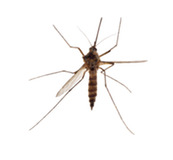
This is a high-risk time of year for West Nile Virus transmission. Activity in mosquitoes, humans, and animals typically peaks in the latter half of the summer. WNV is regularly found in the U.S. and birds serve as the primary host of the disease. The virus circulates between infected birds and mosquitoes.

Once infected, the mosquitoes can transmit the virus to horses or people. Infected horses cannot spread the virus to people or other horses. The virus can cause inflammation of the brain and spinal cord. Infected horses may or may not show neurological symptoms and may recover completely, especially those who have a history of annual vaccination.

All suspected cases and non-negative test results for West Nile Virus disease in animals must be reported to the Board of Animal Health. In addition to vaccinations, horse owners can reduce environmental risks of mosquito borne illnesses by reducing mosquito populations:

  • Mow long grass.
  • Remove items mosquitoes use for breeding grounds, like old tires and tin cans.
  • Drain stagnant water puddles.
  • Change water in drinking troughs every week.
  • Place and maintain screens over windows and stable doors.
  • Use mosquito repellents to protect horses and people from mosquito bites.

Check our website for additional West Nile virus information.

Keep reading...

NWS Infographic

Next companion animal webinar

Join us for the next exciting installment in the Minnesota Board of Animal Health's companion animal webinar series. At noon on September 3, 2025, Dr. Alli Delheimer, the Board’s companion animal field veterinarian, will go over the basics of annual kennel inspections and what inspectors will be looking for. She will also dive into the statutes and rules regarding some of the most commonly failed inspection points. Register today for the webinar! You can also view any of the past webinars in the series on our YouTube page.


Paper Certificates of Veterinary Inspection (CVIs) will no longer be accepted after January 1, 2026

The Board is making the switch from paper CVIs to electronic “eCVIs” official on January 1, 2026, but did you know, you can start using eCVIs right now? There’s no need to wait until the last minute. Protect your clients from travel or transportation delays by visiting our webpage for a step-by-step guide to get started.


Secure Pork Supply biosecurity

Acronym pop-quiz, recognize any of these: US SHIP, SPS, CSSC, PQA? It's quite alright if you don't regularly use these or know what all of them mean. What is important is understanding the goal behind each of them: healthy pigs. The Pork Checkoff outlines tools and resources for producers to keep their animals healthy and how unique situations like show pigs have a role in the broader industry biosecurity efforts.

Visit the Pork Checkoff website for the full rundown of biosecurity tips and tactics in a brief 7-minute read.

September quarterly Board meeting

Our September Board meeting is right around the corner and you can join in-person or online. Check our website for the event details.