Veterinary Alert
Equine Herpes Myeloencephalopathy (EHM) confirmed in an Anoka County horse
The adult horse exhibiting neurologic signs tested positive for EHV-1 and was euthanized by its veterinarian on November 29, 2019. The clinical neurologic signs described along with positive EHV-1 test results resulted in a diagnosis of EHM. Exposed horses have been placed under a Minnesota Board of Animal Health issued quarantine for 21 days, barring any additional positive cases.
EHM is reportable to the Board because of the highly contagious nature of the disease. The Board and Minnesota’s equine industry developed and enforce an official control plan for EHM. If a Minnesota horse is confirmed EHM positive or has been determined to be exposed to the disease, it must be quarantined. Once a quarantine is established, the Board works with herd veterinarians and horse owners to carry out testing and observation protocols defined in the control plan to reach the goal of releasing the quarantine. This control plan can be found on the Board’s website.
The last detection of EHM in Minnesota occurred in July of this year. Multiple cases continue to be identified throughout the United States. The most common way for EHV-1 to spread is by direct horse-to-horse contact. The virus is shed from infected horses via the respiratory tract or through direct or indirect contact with an infected aborted fetus and fetal membranes. Horses may appear healthy yet still spread the virus. EHV-1 can also be spread indirectly through contact with tools or equipment contaminated with infectious virus. The virus is capable of surviving outside of its host in organic material like manure and feed.
Horse owners need to follow stringent biosecurity practices to prevent the further spread of EHM and other contagious diseases. Disease can be carried from one place to another by other horses, people, insects, trailers, and equipment (including tack, blankets, feed and water buckets, brushes, sponges, hoses or veterinary supplies). Anytime a horse leaves the farm to compete, breed or train, it can be exposed to a number of diseases. All manure and feed should be properly disposed of before cleaning and disinfecting underlying surfaces. If equipment must be shared it should be cleaned and disinfected between each use.
Owners and exhibitors entering Minnesota with a horse from other states are required to have a Certificate of Veterinary Inspection verifying the horse has been examined by a veterinarian and is free form signs of communicable and contagious diseases. Imported horses are also required to have a negative Coggin’s test within the past year. Vaccines are available for EHV-1. However, these vaccines are not labeled for prevention of the neurological form of the virus (EHM).
Click this link to view the Board’s Equine Herpesvirus Myeloencephalopathy Fact Sheet.
The Board works with several state and federal agencies in its mission to protect the health of Minnesota’s domestic animals. As part of this work, we encourage horse owners to follow these equine biosecurity tips when traveling with their horse.
- It is always best to use your own trailer and equipment. If you must borrow; clean and disinfect items thoroughly before exposing your horse and again before returning.
- Don’t let your horse touch other horses, especially nose to nose.
- Never put the end of a shared hose in your horse’s water bucket without disinfecting first. Don’t hand-graze your horse where other horses have recently grazed.
- If you touch other horses, wash your hands with soap and water, and dry them well. Use disinfectant wipes or hand sanitizer if soap and water are not available. Don’t let strangers pet your horse.
- Clean and disinfect tack, boots, equipment, and grooming supplies before returning home. Make sure to clean off dirt and manure before disinfecting.
- Shower, blow your nose (germs can survive a long time in nasal secretions), and put on clean clothes and shoes upon your return.
- Keep returning horses separate from your other horses for up to four (4) weeks. When doing feeding and chores, work with the returning horses last, wear boots and coveralls, and remove them before working with your other horses.
- Don’t forget to wash your hands.
 |
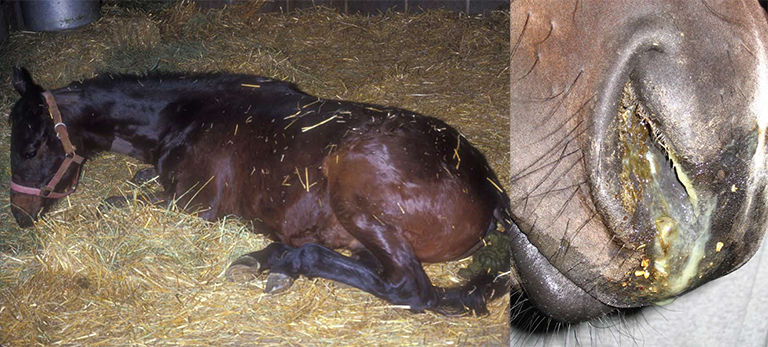 Example of Equine Herpesvirus clinical signs.
 |
|
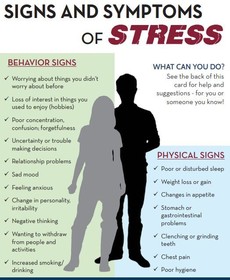
Signs and Symptoms of Stress Brochure
Sometimes animal diseases like EHM can bring additional stress to the veterinarians, owners and others who work with the animals. Learn to recognize the signs and symptoms of stress before they take a toll. The Upper Midwest Agricultural Safety and Health Center has excellent resources to help you identify stress and know when to reach out for assistance if needed.
Check out their Signs and Symptoms of Stress brochure for tips and contact information.
|
Having trouble viewing this email? View it as a Web page.
|